


 US Senate Rejects Iran War Powers Resolution in 50-49 Vote
  FCC Approves Foreign Investment in $110B Paramount-Warner Bros. Deal
  Ghana Says Western Support Growing for Slave Trade Reparations
  Mexico-US Trade Talks Delayed to October as Tariff Negotiations Continue
  France Defends Netanyahu Airspace Clearance Despite ICC Warrant
  Saudi Arabia, Turkey and Pakistan Plan Urgent Defence Talks Over Houthi Attacks
  U.S. Dollar Hits Two-Month High as Oil, Treasury Yields Surge
  Australia Unemployment Hits Five-Year High Despite Strong Jobs Growth
  Pentagon Restarts Testosterone Testing for US Troops
  US Judge Dismisses Imran Ahmed Deportation Lawsuit
  RBI Uses $10 Billion Currency Swaps to Drain Excess Rupee Liquidity
  Judge Orders Trump to Restore White House Access for CNN, MS NOW and Politico
  EU Defence Build-Up Too Slow for 2030 Russia Readiness Goal
  China’s ‘Lipstick King’ Says AI Won’t Replace Livestream Hosts
  Oil Prices Jump 3% as Houthi Attack Revives Supply Fears
  South Korea, US Discuss Warship Building Cooperation
  US Bans Canadian Alcohol, Motorcycles as Trade War Escalates


 Add as a preferred source on Google
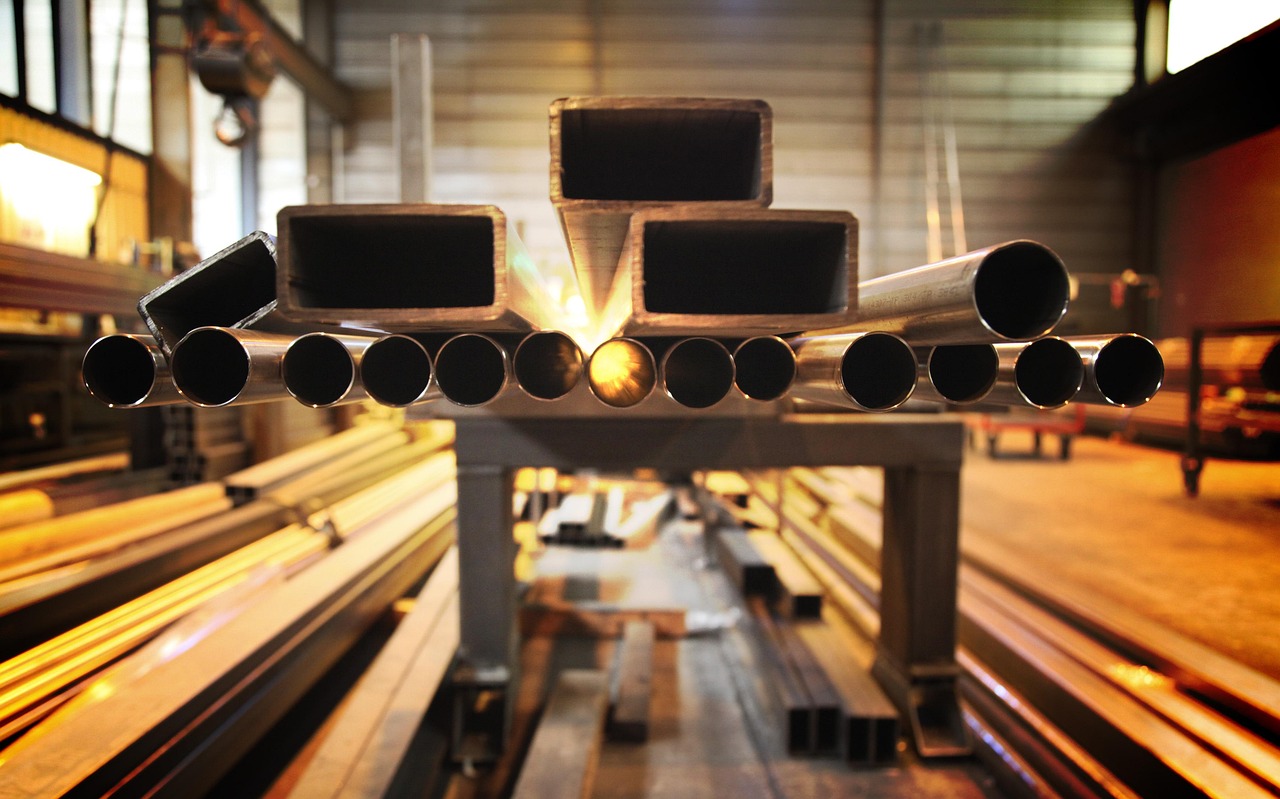
U.S. President Donald Trump announced a sharp increase in tariffs on imported steel and aluminum, raising rates from 25% to 50% during a rally in Pennsylvania. The move, aimed at boosting the U.S. steel industry, comes amid escalating trade tensions with major global partners.
Speaking near Pittsburgh at a U.S. Steel plant, Trump emphasized the importance of protecting American jobs, linking the tariff hike to a $14.9 billion deal between Nippon Steel and U.S. Steel. He later confirmed via social media that the increased tariffs will also apply to aluminum products and will take effect Wednesday.
The U.S. remains the world’s largest steel importer, bringing in 26.2 million tons in 2024. Industry experts predict the tariff hike will drive up steel prices and impact both businesses and consumers.
Cleveland-Cliffs Inc. (NYSE: CLF), a leading U.S. steelmaker, saw its shares surge 26% in after-hours trading following the announcement, as investors anticipated a boost in profitability from reduced foreign competition.
Global reactions were swift and critical. Canada’s Chamber of Commerce called the move harmful to North American economic security, while Australia condemned it as “unjustified.” Trade Minister Don Farrell warned the tariffs would damage key trade relationships and hurt consumers.
The increased levies fall under Section 232 national security measures, covering both raw metals and finished goods like aluminum cookware and steel hinges. In 2024, the U.S. imported $147.3 billion worth of steel and aluminum products across 289 categories.
This latest escalation mirrors Trump’s previous trade wars, including the $50 billion in tariffs imposed on Chinese goods in 2018. With Pennsylvania being a pivotal battleground state, Trump’s protectionist policy may be as much about politics as it is about industry.







