


 Saudi Arabia Shuts East-West Oil Pipeline After Drone Attack
  Russian Missile and Drone Attack on Kyiv Kills Two, Damages Maternity Hospital
  France Defends Netanyahu Airspace Clearance Despite ICC Warrant
  Netanyahu Takes Aim at Mamdani as Israel Election Nears
  Australia Tightens Student Visa Rules, Targets Migration Cut by 2028
  Netanyahu Defends Israel at UN as Delegates Stage Walkout
  DOJ Will Investigate AI-Related Crimes, Attorney General Blanche Says
  US, China Extend Trade Truce to Jan. 10 Ahead of Trump-Xi Summit
  China Tightens Fentanyl Rules Ahead of Trump-Xi Summit
  US Bans Canadian Alcohol, Motorcycles as Trade War Escalates
  ICE Agent Arrested in Minneapolis Over Venezuelan Man Shooting
  Abbas Reaffirms November 28 Palestinian Elections
  EU Defence Build-Up Too Slow for 2030 Russia Readiness Goal
  Russian Envoy Dmitriev Heads to US for Ukraine Talks
  US Backs Musk in Fight Against EU’s €120 Million X Fine
  Pentagon Restarts Testosterone Testing for US Troops


 Add as a preferred source on Google
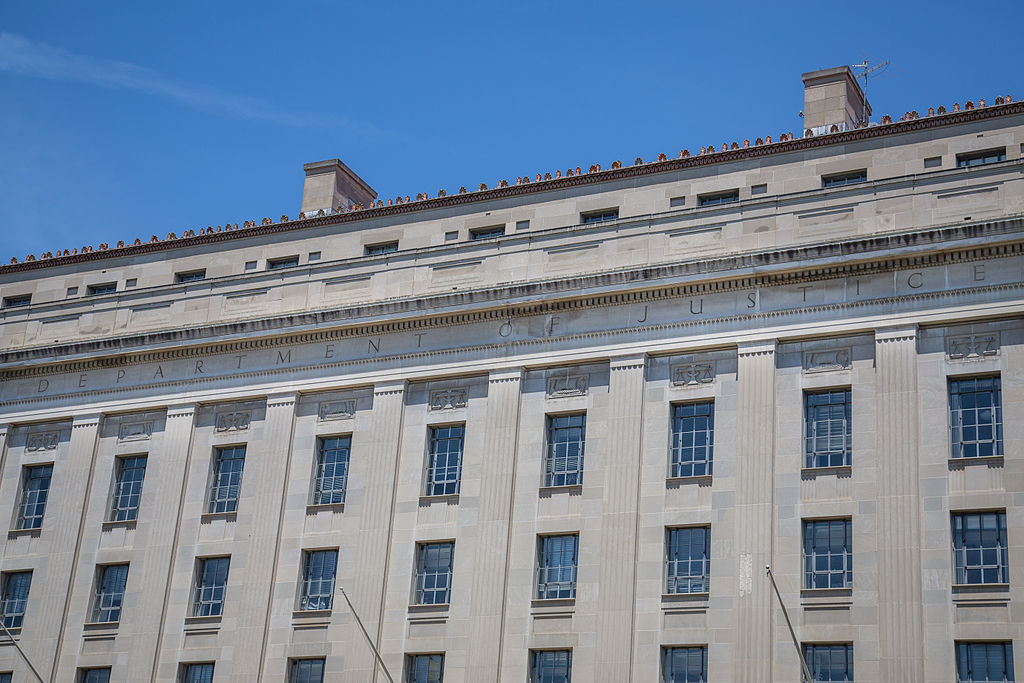
The U.S. Department of Justice is disbanding its National Cryptocurrency Enforcement Team (NCET) and narrowing its focus on crypto-related investigations. In a memo obtained by Reuters, Deputy Attorney General Todd Blanche—recently appointed under President Donald Trump—outlined a major shift in the DOJ’s digital asset policy. The Biden-era unit, launched in 2022 to combat crypto fraud and illicit finance, had previously investigated major players like Binance and its founder Changpeng Zhao.
Blanche criticized the Biden administration’s “reckless strategy of regulation by prosecution” and cited a Trump executive order as the foundation for the new approach. This order supports open access to blockchain networks without government persecution. Going forward, DOJ will prioritize cases involving crypto-linked crimes like terrorism, drug trafficking, human trafficking, hacking, and organized crime. Any ongoing investigations not aligned with these priorities will be closed.
The memo also states that crypto exchanges, wallets, and mixers will no longer be prosecuted for actions taken by users or for unintentional regulatory violations. Regulatory charges under banking, securities, or commodities laws will only proceed if there’s clear evidence of willful misconduct.
This marks a broader shift in U.S. crypto policy under Trump, who has promised to make the U.S. the “crypto capital of the planet.” The SEC has also pulled back from several enforcement actions, and banking regulators have softened restrictions.
Trump’s own ties to crypto are deepening. He and his family have financial interests in World Liberty Financial, a crypto project from which they earn a share of token revenues. Trump also launched his own tokens, $TRUMP and $MELANIA, described as expressions of support rather than investments.
This policy reversal signals a more crypto-friendly regulatory landscape under the Trump administration.







