


 Anthropic AI Model Uncovers Vulnerabilities in Classified U.S. Government Systems During Security Test
  Peru Election Dispute Deepens as Roberto Sanchez Rejects Runoff Results
  Lebanon Pushes Ahead With Israel Talks Despite Iran-U.S. Deal Impact
  Trump Says Anthropic No Longer Seen as National Security Threat
  U.S. Launches Trade Investigation Into Germany’s Pharmaceutical Cost-Cutting Plans
  SEC Tokenized Stock Approval Still Expected as Regulatory Framework Advances
  Nike CFO Shake-Up Fuels Concerns Over Turnaround Strategy
  Trump Forced Labour Tariff Plan Faces Criticism as Experts Question Effectiveness
  Apollo Debt Solutions Limits Redemptions as Withdrawal Requests Surge
  US Raises Concerns Over Possible ASML EUV Machine Transfer to China
  SK Hynix Moves Closer to New York ADR Listing Amid AI Chip Boom
  US Senate Approves War Powers Resolution Urging Trump to End Iran Military Action
  US House Approves $70 Billion Immigration Enforcement Funding Bill, Ending Congressional Deadlock
  China Adds MP Materials, USA Rare Earth to Export Control List Amid Escalating U.S.-China Trade Tensions
  Oracle Cuts 21,000 Jobs as AI Reshapes Workforce and Cloud Expansion Accelerates
  US Sanctions M23 and FDLR Commanders Amid Ongoing Eastern Congo Conflict
  U.S. Reviewing Potential F-35 Fighter Jet Sale to Turkey Amid S-400 Dispute


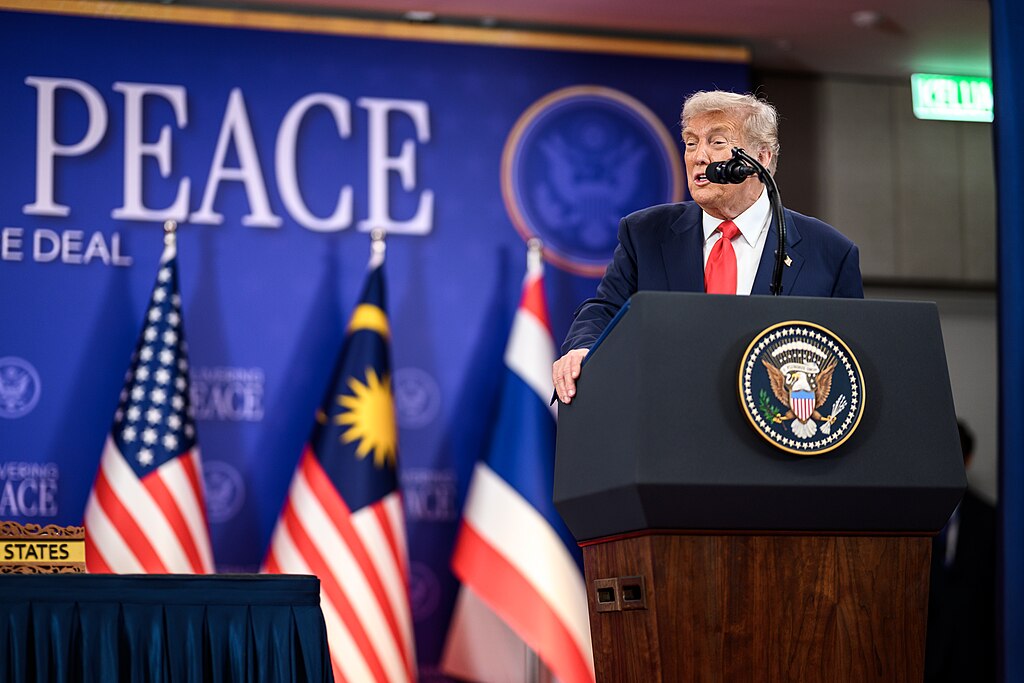
President Donald Trump has issued an executive order blocking HieFo Corp. from acquiring semiconductor-related assets from Emcore Corp., citing serious national security risks tied to foreign ownership and sensitive chip technologies. The decision underscores the U.S. government’s heightened scrutiny of transactions involving semiconductors, advanced manufacturing, and Chinese-linked investors.
The order targets Delaware-based HieFo Corp., which is controlled by a Chinese citizen, and prohibits the company from completing or maintaining its acquisition of assets related to Emcore’s digital chips business. These assets include wafer design, fabrication, processing operations, and indium phosphide wafer manufacturing owned by New Jersey-based Emcore Corp. The companies had previously announced that the transaction, valued at approximately $2.92 million, was completed on April 30, 2024, following an agreement reached earlier in the year.
According to the executive order, HieFo must divest all interests, rights, and control over the Emcore semiconductor assets within 180 calendar days. This deadline may only be extended with approval from the Committee on Foreign Investment in the United States (CFIUS), the interagency body responsible for reviewing foreign investments for national security implications. The order states there is “credible evidence” that HieFo could take actions that might impair U.S. national security through control of the acquired technology.
Until the divestment process is finalized, HieFo faces strict operational restrictions. The company is barred from granting access to the Emcore assets or sharing non-public technical or operational information with anyone outside of approved HieFo personnel unless CFIUS provides explicit authorization. In addition, HieFo must submit weekly certifications confirming compliance with the executive order.
The order also authorizes U.S. government employees designated by CFIUS to access HieFo’s U.S. facilities to verify compliance. Any potential buyer of the divested Emcore assets must be disclosed to CFIUS, which retains the right to object to a proposed sale within 30 days. The move highlights ongoing U.S. efforts to safeguard critical semiconductor technologies amid escalating geopolitical and economic tensions.







