


 FDA Weighs Safety Standards for Psychedelic Therapies
  Saudi Arabia Shuts East-West Oil Pipeline After Drone Attack
  Netanyahu’s Brief US Trip Highlights Strains With Trump
  US Immigration Arrests Surge as Deportations Lag Behind
  US Comfortable With Canada Trade Standoff as Import Bans Loom
  Australia Unemployment Hits Five-Year High Despite Strong Jobs Growth
  US Supreme Court Revives Trump Administration Voter Citizenship Database
  Trump Scales Back Endangered Species Act Protections
  Saudi Arabia Seeks Military Support as Houthi Attacks Escalate
  Trump, Xi Visit US National Archives After White House Summit
  China Tightens Fentanyl Rules Ahead of Trump-Xi Summit
  Canadian Dollar Faces Pressure as Fed-BoC Policy Gap Widens
  North Korea Warns South Korea Over US-Led Defense Role
  Canada Unveils Bill to Fast-Track Major Resource Projects
  Netanyahu Defends Israel at UN as Delegates Stage Walkout
  FCC Approves Foreign Investment in $110B Paramount-Warner Bros. Deal
  Trump, Xi Focus on Trade and AI at White House Summit


 Add as a preferred source on Google
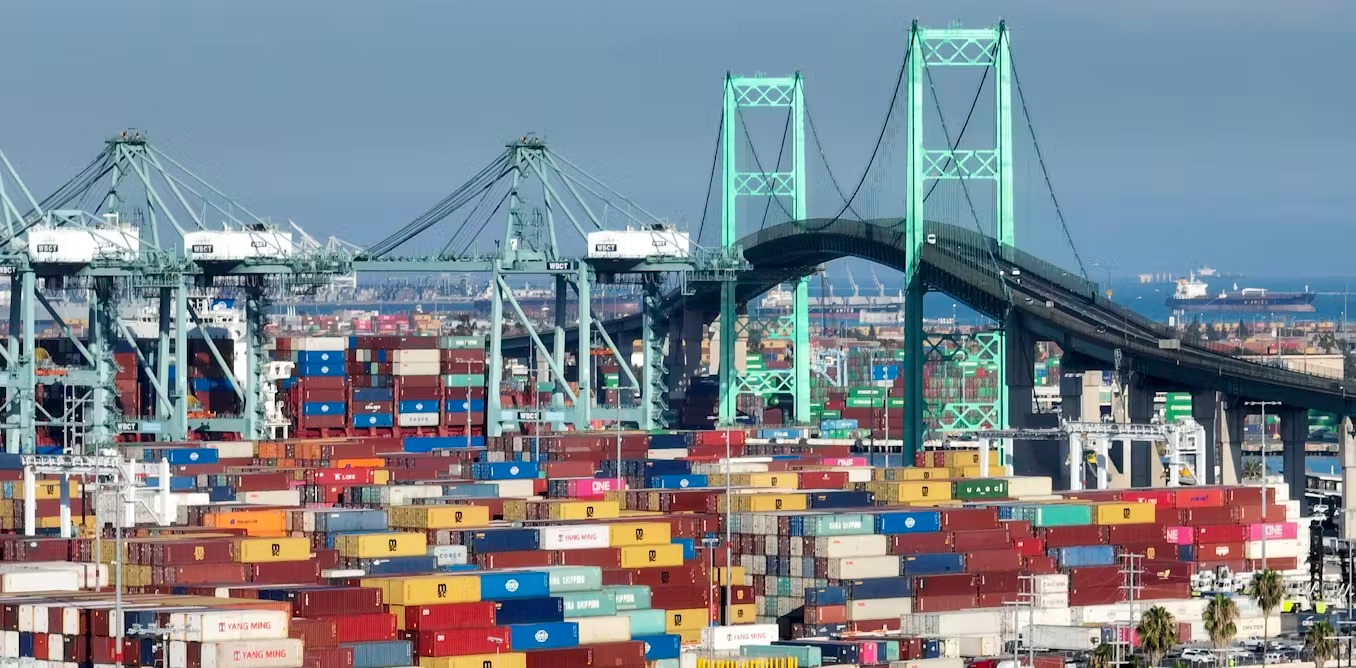
U.S. President Donald Trump has unveiled a new round of steep tariffs on a wide range of imported goods, sparking concerns about inflation and international trade relations. Beginning October 1, the U.S. will impose 100% tariffs on branded and patented pharmaceutical imports, 25% tariffs on heavy-duty trucks, 50% tariffs on kitchen cabinets and bathroom vanities, and 30% tariffs on upholstered furniture.
Trump argued the measures are needed to protect American industries from what he called “flooding” of foreign products. He emphasized that the new pharmaceutical tariffs will not apply to companies already building manufacturing facilities in the U.S. The administration framed the truck tariffs as essential for safeguarding domestic manufacturers like Peterbilt, Kenworth, and Freightliner, while countering growing competition from Mexico, Canada, Japan, and Europe.
Industry groups, however, are pushing back. The Pharmaceutical Research and Manufacturers of America warned that the policy could disrupt supply chains, noting that over half of U.S. medicine ingredients are already produced domestically, with the remainder coming from allies in Europe and beyond. Similarly, the U.S. Chamber of Commerce criticized the truck tariffs, pointing out that Mexico—America’s largest source of medium- and heavy-duty trucks—has deeply integrated supply chains with U.S. companies. Many of these trucks already contain 50% U.S.-made components.
Mexico, home to 14 truck and bus manufacturers, strongly opposed the move, stressing its role as the leading exporter of tractor trucks globally, with 95% of exports heading to the U.S. The Japanese Automobile Manufacturers Association also voiced opposition, highlighting that Japanese companies have already shifted much of their truck production to U.S. facilities.
Critics warn the tariffs may drive up transportation costs, undermining Trump’s pledge to fight inflation. The policies could also affect automakers like Stellantis, which builds Ram trucks in Mexico, and Volvo Group, which is investing $700 million in a new truck plant in Monterrey. With tariffs set to take effect next month, global trade tensions and inflation concerns are expected to intensify.







