


 NATO Boosts Intelligence Sharing Amid Russia Hybrid Threats
  Ukrainian Drone Attacks Hit Russian Regions, Injuring at Least 12
  North Korea Rejects Nuclear Test Warning, Calls Nuclear Status Irreversible
  Asian Currencies Mixed as Dollar Holds Near Two-Month High
  Netanyahu Takes Aim at Mamdani as Israel Election Nears
  Russian Missile and Drone Attack on Kyiv Kills Two, Damages Maternity Hospital
  Taiwan Thanks US for Support Ahead of Trump-Xi Summit
  Mexico-US Trade Talks Delayed to October as Tariff Negotiations Continue
  US Backs Musk in Fight Against EU’s €120 Million X Fine
  Abbas Reaffirms November 28 Palestinian Elections
  Fed Unveils Stablecoin Rules Under GENIUS Act
  US 10-Year Treasury Yield at 6% Emerges as New Market Risk Threshold
  Trump, Xi Visit US National Archives After White House Summit
  What ‘Taiwan Independence’ Means as Xi Presses Trump on US Policy
  Japan Private-Sector Growth Slows as Domestic Demand Weakens
  Asian Stocks Fall as Bond Yields Surge Ahead of Trump-Xi Summit
  Trump, Xi Focus on Trade and AI at White House Summit


 Add as a preferred source on Google
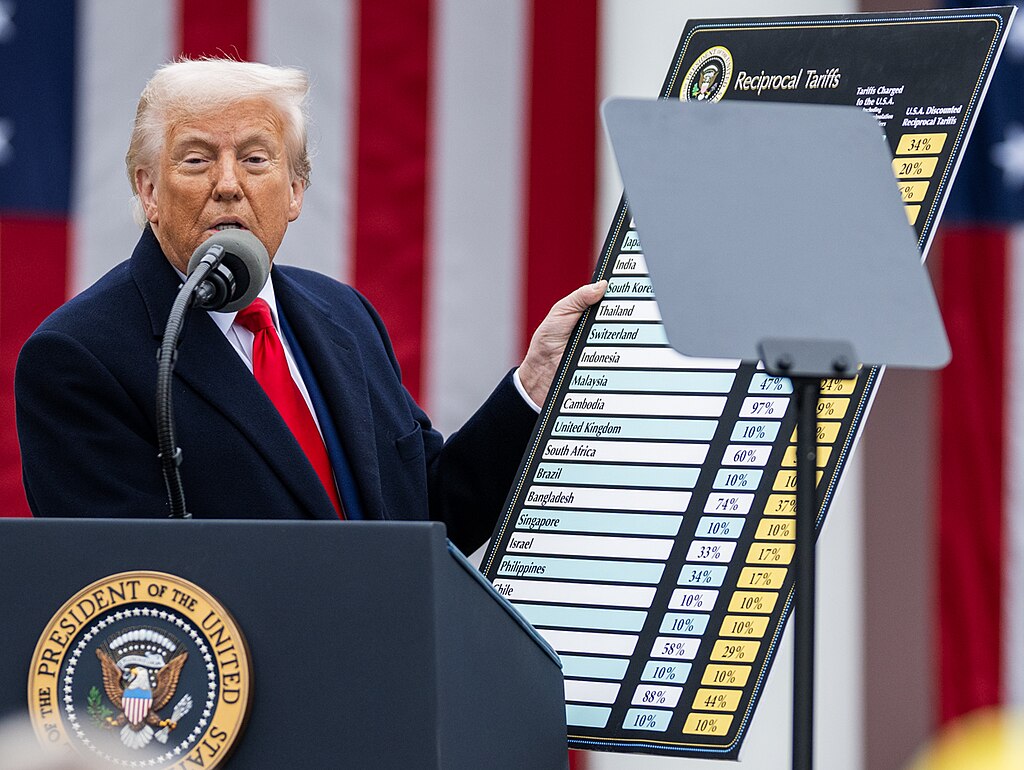
U.S. President Donald Trump has imposed a 19% tariff on imports from the Philippines, following a meeting with Philippine President Ferdinand Marcos Jr. at the White House. Announced via Trump’s Truth Social platform, the tariff is part of a new trade agreement under which U.S. goods will enter the Philippines tariff-free.
The 19% rate, slightly lower than the previously threatened 20%, matches Indonesia’s and undercuts Vietnam’s 20% rate. It also exceeds the 17% rate announced in April under Trump’s “reciprocal tariff” policy, which has affected most U.S. trading partners.
Trump described the bilateral meeting as a “beautiful visit,” calling Marcos a “very good and tough negotiator.” While the deal's specifics remain undisclosed, Trump emphasized that “very big numbers” in trade would continue to grow, noting the U.S. had a $5 billion trade deficit with the Philippines in 2024, on bilateral goods trade worth $23.5 billion.
Philippine Ambassador Jose Manuel Romualdez praised the outcome as a “good deal” with room for further improvement. Marcos, the first Southeast Asian leader to visit Trump in his second term, affirmed the U.S. as the Philippines’ “strongest and most reliable ally.”
The announcement follows a broader shift in U.S. trade policy, with most nations facing a 10% tariff since April and many bracing for additional duties starting August 1. Trump also hinted at a future China visit and said the Philippines has pivoted away from Beijing’s influence since his re-election.
Protests greeted Marcos’s arrival in Washington, with demonstrators urging stronger support for Filipino Americans and migrant workers amid U.S. immigration crackdowns.
Trade experts say the final tariff is less critical than maintaining competitiveness with regional peers, with few details yet released.







