


 Ghana Says Western Support Growing for Slave Trade Reparations
  NATO Boosts Intelligence Sharing Amid Russia Hybrid Threats
  What ‘Taiwan Independence’ Means as Xi Presses Trump on US Policy
  Sudan Rejects US Legitimacy Remarks, Defends Sovereignty
  Yemen Violence Displaces 130,000 as Civilian Toll Rises
  South Korea, US Discuss Warship Building Cooperation
  Pezeshkian Says US Must Choose When Iran War Ends
  Russian Missile and Drone Attack on Kyiv Kills Two, Damages Maternity Hospital
  Netanyahu Takes Aim at Mamdani as Israel Election Nears
  Trump Asks Supreme Court to Restore Third-Country Deportations
  Kremlin Says No Decision Yet on Putin-Trump December Summit
  North Korea Warns South Korea Over US-Led Defense Role
  Taiwan Thanks US for Support Ahead of Trump-Xi Summit
  US Senate Rejects Iran War Powers Resolution in 50-49 Vote
  Xi Calls for Deeper U.S.-China AI Cooperation in Trump Talks
  Judge Orders Trump to Restore White House Access for CNN, MS NOW and Politico
  Trump, Xi Focus on Trade and AI at White House Summit


 Add as a preferred source on Google
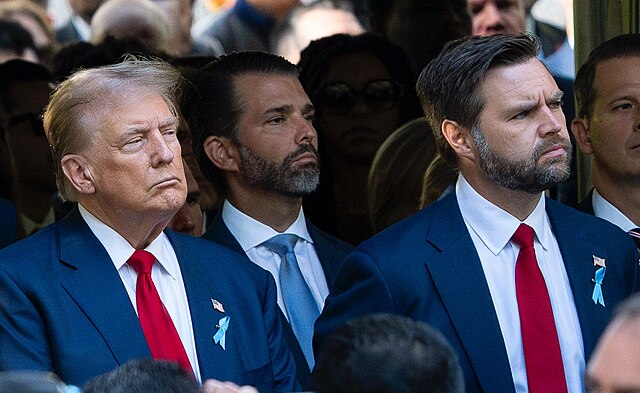
Senior officials in President Donald Trump’s administration are reportedly debating how best to respond to escalating tensions with Iran, as questions grow over Tehran’s nuclear program and the possibility of U.S. military action. According to a report by the Wall Street Journal, several senior aides, including Vice President JD Vance, have urged President Trump to pursue diplomatic engagement with Iran before considering any military strikes.
The report, citing U.S. officials, stated that Vice President Vance and other top advisers believe diplomacy should be tested as a first step, especially as Iran has signaled a willingness to engage in talks over its nuclear activities. The White House has been weighing an offer from Tehran to reopen negotiations, even as President Trump has appeared increasingly open to authorizing military measures if diplomatic efforts fail.
The situation highlights ongoing divisions within the administration over U.S. foreign policy toward Iran. On one side, advocates of diplomacy argue that renewed talks could prevent further escalation, reduce regional instability, and potentially limit Iran’s nuclear ambitions without resorting to force. On the other side, more hawkish voices remain concerned that Iran may use negotiations to buy time while continuing its nuclear development, arguing that credible military pressure is necessary to deter Tehran.
However, the Wall Street Journal report was quickly challenged by the Vice President’s office. William Martin, communications director for Vice President Vance, said the portrayal of internal debates was inaccurate. According to Martin, both Vice President Vance and Secretary of State Marco Rubio are jointly presenting President Trump with a full range of policy options.
“Vice President Vance and Secretary of State Rubio together are presenting a suite of options to the President, ranging from a diplomatic approach to military actions,” Martin said. “They are presenting those options without bias or favor.”
The evolving debate comes amid heightened international attention on Iran’s nuclear program and its broader implications for Middle East security. Any decision by President Trump, whether diplomatic or military, is likely to have far-reaching consequences for U.S.-Iran relations, global energy markets, and regional stability. As the administration weighs its next steps, the balance between diplomacy and force remains at the center of Washington’s strategic calculations.







