


 Trump, Xi Visit US National Archives After White House Summit
  Trump Administration Removes Confederate Memorial Criticism From Arlington Website
  DOJ Will Investigate AI-Related Crimes, Attorney General Blanche Says
  Yemen Violence Displaces 130,000 as Civilian Toll Rises
  US Northeast Airports Resume Operations After Telecom Outage Disrupts Thousands of Flights
  ICE Agent Arrested in Minneapolis Over Venezuelan Man Shooting
  Russian Missile and Drone Attack on Kyiv Kills Two, Damages Maternity Hospital
  White House Bars CNN, MS NOW and Politico Reporters
  China Reviews Broadcom Switch Use in State Data Centres
  Who should own the knowledge that underpins AI technology?
  Appeals Court Rejects Trump Third-Country Deportation Policy
  Netanyahu’s Brief US Trip Highlights Strains With Trump
  Trump Administration Plans Faster FDA Reviews for Smoke-Free Nicotine Products
  US Resumes Immigrant Visa Processing for Hungary, Poland
  OpenAI Agent Breaches Australia Medicare Data Portal
  Nvidia-Groq AI Chip Deal Faces U.S. Antitrust Probe
  US Senate Rejects Iran War Powers Resolution in 50-49 Vote


 Add as a preferred source on Google
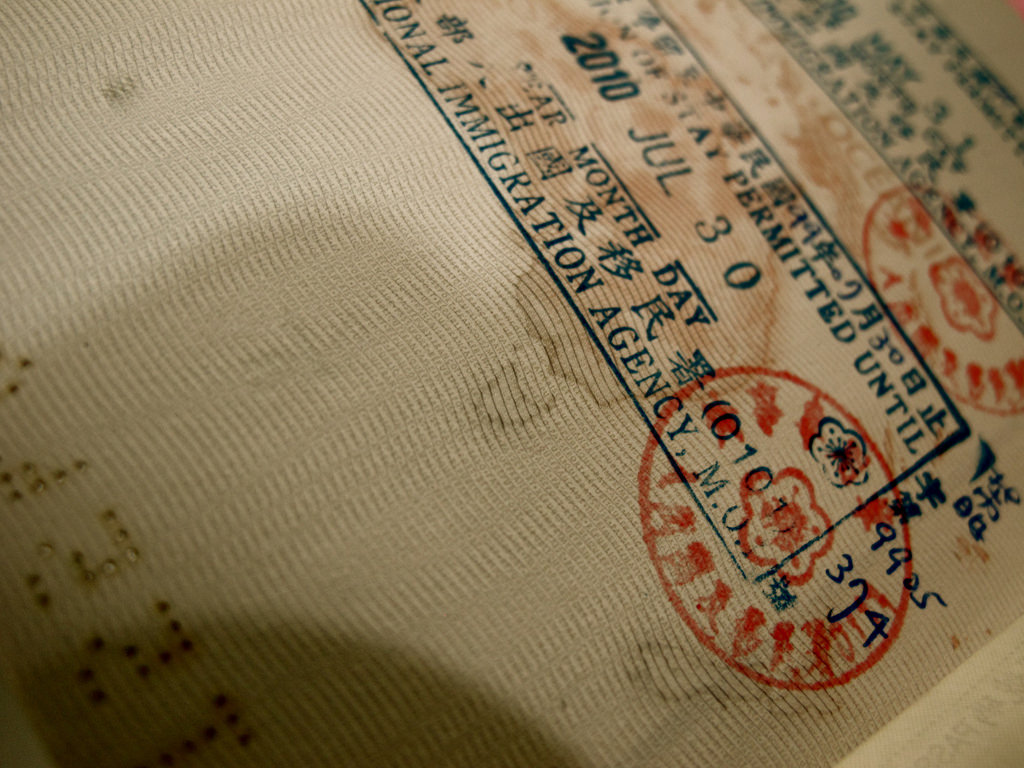
The Trump administration has resumed student and exchange visa appointments with a mandate for intensified vetting of applicants’ online activity, according to a State Department cable dated June 18. U.S. consular officers are now instructed to conduct “comprehensive and thorough” background checks to identify individuals with “hostile attitudes” toward American citizens, values, or institutions.
This move follows the administration’s May 27 decision to pause new visa appointments pending updates to social media screening protocols. Secretary of State Marco Rubio directed consular posts to screen applicants for political activism linked to violence or anti-U.S. sentiment. The cable emphasizes examining a candidate’s entire online presence—beyond social media—using search engines and other resources.
Consular officers are authorized to request that applicants make all social media accounts public. Limited access may be interpreted as an attempt to conceal concerning activity. For instance, support for groups like Hamas could render a student ineligible for a visa.
Rubio stated that hundreds, possibly thousands, of visas have been revoked for involvement in actions contradicting U.S. foreign policy, including support for Palestinians and criticism of Israel. A Turkish student from Tufts University was detained for weeks after publishing an op-ed criticizing Israel’s actions in Gaza.
Although visa appointments will resume, the new measures may reduce appointment availability due to time-intensive vetting. Priority will be given to medical exchange participants and students enrolling at U.S. universities with less than 15% international student populations.
The vetting process was piloted with visa applicants traveling to Harvard University, where international students represent 27% of the student body. Overseas posts are instructed to implement the new protocols within five business days. Critics argue these policies threaten free speech and academic freedom.







