


 Brazil Court Suspends Sigma Lithium Mine Operations
  US Backs Musk in Fight Against EU’s €120 Million X Fine
  Nvidia-Groq AI Chip Deal Faces U.S. Antitrust Probe
  Judge Orders Trump to Restore White House Access for CNN, MS NOW and Politico
  Meta Found Liable in New Mexico Facebook Data Privacy Case
  North Korea Rejects Nuclear Test Warning, Calls Nuclear Status Irreversible
  Trump, Xi Focus on Trade and AI at White House Summit
  OpenAI Agent Breaches Australia Medicare Data Portal
  Trump Administration Prepares Sanctions Against Entire ICC
  US Northeast Airports Resume Operations After Telecom Outage Disrupts Thousands of Flights
  Paramount Skydance Faces $30 Million Film Penalty in Warner Bros. Deal
  Najib Razak Granted House Arrest Until 2028
  Maduro Seeks Dismissal of US Drug Trafficking Charges
  DOJ Will Investigate AI-Related Crimes, Attorney General Blanche Says
  Pezeshkian Says US Must Choose When Iran War Ends
  Ukrainian Drone Attacks Hit Russian Regions, Injuring at Least 12
  US Bans Canadian Alcohol, Motorcycles as Trade War Escalates


 Add as a preferred source on Google
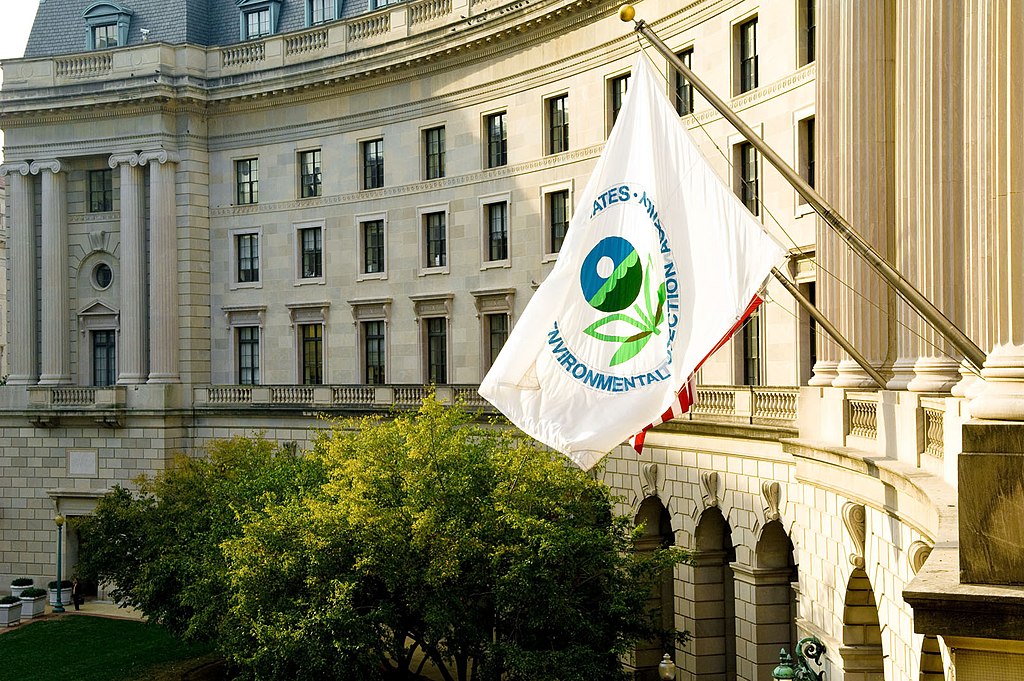
The Trump administration announced plans to rescind the Environmental Protection Agency’s (EPA) “endangerment finding,” which since 2009 has served as the legal foundation for U.S. greenhouse gas regulations. The repeal, unveiled by EPA Administrator Lee Zeldin and Energy Secretary Chris Wright at an Indiana car dealership, would eliminate federal limits on carbon emissions from vehicles, power plants, and industrial sources, potentially dismantling key U.S. climate policies.
Zeldin described the move as the largest deregulatory action in U.S. history, projecting $54 billion in annual cost savings. He cited a 2024 Supreme Court ruling limiting federal agency authority, asserting that regulating greenhouse gases now requires explicit Congressional approval. Critics argue this reversal undermines climate action as extreme weather intensifies, with Earthjustice calling it “the end of U.S. efforts to address climate change.”
The original finding stemmed from the 2007 Supreme Court case Massachusetts v. EPA, which recognized the agency’s authority under the Clean Air Act to regulate greenhouse gases. The decision laid the groundwork for Obama-era vehicle tailpipe standards, methane regulations, and carbon controls on power plants.
Automakers and industry groups offered mixed reactions. The American Trucking Associations praised the repeal, saying Biden-era tailpipe standards threatened supply chains. Ford called for a unified, science-based emissions standard, while Toyota, GM, and Stellantis declined comment. The U.S. Chamber of Commerce welcomed lower energy costs but said it is reviewing the proposal.
California regulators condemned the decision, calling it “polluter fantasyland over proven science.” The move is expected to face legal challenges from states and environmental organizations, as it conflicts with international climate obligations, including the Paris Agreement.







