


 Micron Stock Surges on Strong AI Demand, Record Revenue, and Bullish Q4 Forecast
  DOJ Sues Virginia Over Law Enforcement Mask Ban
  SpaceX Stock Rebounds After Sharp Selloff, But Valuation Concerns Persist
  SpaceX Stock Plunges 16% as KeyBanc Warns Valuation May Be Overstretched
  SK Hynix Overtakes Samsung as South Korea’s Most Valuable Company
  Trump Administration Delays DeepSeek and CXMT Trade Blacklist Designations Amid U.S.-China Tensions
  US Seeks Gulf Support for Iran Peace Deal Amid Regional Tensions
  NTSB Investigates Boston Logan Airport Near-Miss Between Delta and American Airlines Jets
  Anthropic AI Model Uncovers Vulnerabilities in Classified U.S. Government Systems During Security Test
  Google Gemini Co-Lead Noam Shazeer Leaves for OpenAI Amid AI Talent Race
  Google’s Open-Source AI Data Center Cooling Design Raises Commoditization Concerns
  US Urges Europe to Impose Ebola Travel Restrictions Ahead of FIFA World Cup 2026
  Trump Orders DOJ Investigation Into Exxon, Chevron Over High Gas Prices
  U.S. Reviewing Potential F-35 Fighter Jet Sale to Turkey Amid S-400 Dispute
  Pelosi Discloses Major Intel and Uber Call Option Purchases Worth Up to $6 Million


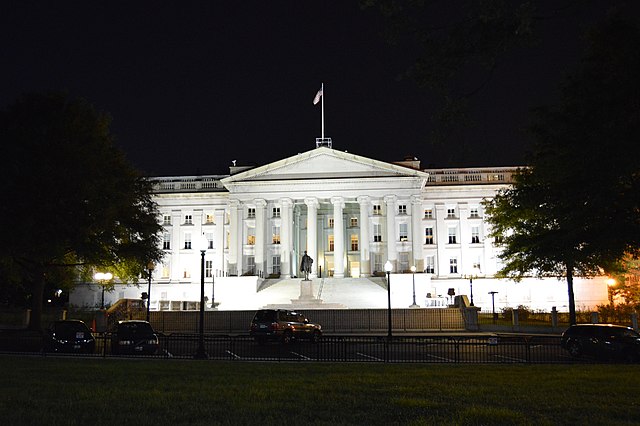
The administration of President Donald Trump has lifted U.S. sanctions on three executives previously linked to the controversial spyware consortium Intellexa, according to a notice published on the U.S. Treasury Department’s website. The decision marks a partial reversal of sanctions imposed last year under former President Joe Biden, which targeted seven individuals associated with the surveillance technology group.
Intellexa, founded by former Israeli intelligence official Tal Dilian, has been described by the U.S. government as a sprawling international network of decentralized companies involved in the development and sale of highly intrusive spyware tools. Chief among these tools is “Predator,” spyware that has been widely criticized for its alleged use against journalists, political figures, and government officials.
According to a U.S. official who spoke anonymously, the sanctions relief followed a standard administrative review process after the affected individuals submitted petitions for reconsideration. The official stated that the three executives demonstrated steps to distance themselves from Intellexa and its operations, which ultimately led to the decision to remove them from the sanctions list.
The individuals no longer sanctioned are Sara Hamou, accused by U.S. authorities of providing managerial services to Intellexa; Andrea Gambazzi, whose company allegedly held distribution rights for the Predator spyware; and Merom Harpaz, identified as a senior executive within the consortium. None of the three, nor their representatives, offered immediate public comment. Tal Dilian, who remains sanctioned, also declined to respond to inquiries.
Intellexa and its Predator spyware have been at the center of international controversy. In Greece, the software has been linked to an alleged surveillance scandal involving journalists and opposition figures. Separately, investigative reports in 2023 claimed that Vietnam attempted to use Intellexa’s tools to target members of the U.S. Congress. Dilian has previously denied wrongdoing in the Greek case and has not publicly addressed the allegations involving U.S. lawmakers.
When the original sanctions were announced in March of last year, the Treasury Department accused Intellexa of facilitating the spread of commercial spyware to authoritarian regimes and enabling covert surveillance against U.S. officials, journalists, and policy experts. While the recent move eases pressure on three individuals, the broader scrutiny of spyware companies and digital surveillance practices remains firmly in place.







