


 FAA Allows Boeing to Sell 35 More 777F Freighters Beyond 2028
  Russian Missile and Drone Attack on Kyiv Kills Two, Damages Maternity Hospital
  Judge Blocks Trump Rule Limiting Foreign Student Visas
  Pentagon Restarts Testosterone Testing for US Troops
  US Northeast Airports Resume Operations After Telecom Outage Disrupts Thousands of Flights
  Xi Calls for Deeper U.S.-China AI Cooperation in Trump Talks
  US Backs Musk in Fight Against EU’s €120 Million X Fine
  Appeals Court Rejects Trump Third-Country Deportation Policy
  What ‘Taiwan Independence’ Means as Xi Presses Trump on US Policy
  Yemen Violence Displaces 130,000 as Civilian Toll Rises
  FCC Approves Foreign Investment in $110B Paramount-Warner Bros. Deal
  Synthetic data could ease people’s concerns about privacy breaches. But who gets to create it?
  North Korea Warns South Korea Over US-Led Defense Role
  China Tightens Fentanyl Rules Ahead of Trump-Xi Summit
  Kremlin Says No Decision Yet on Putin-Trump December Summit
  Trump, Xi Visit US National Archives After White House Summit
  OpenAI Agent Breaches Australia Medicare Data Portal


 Add as a preferred source on Google
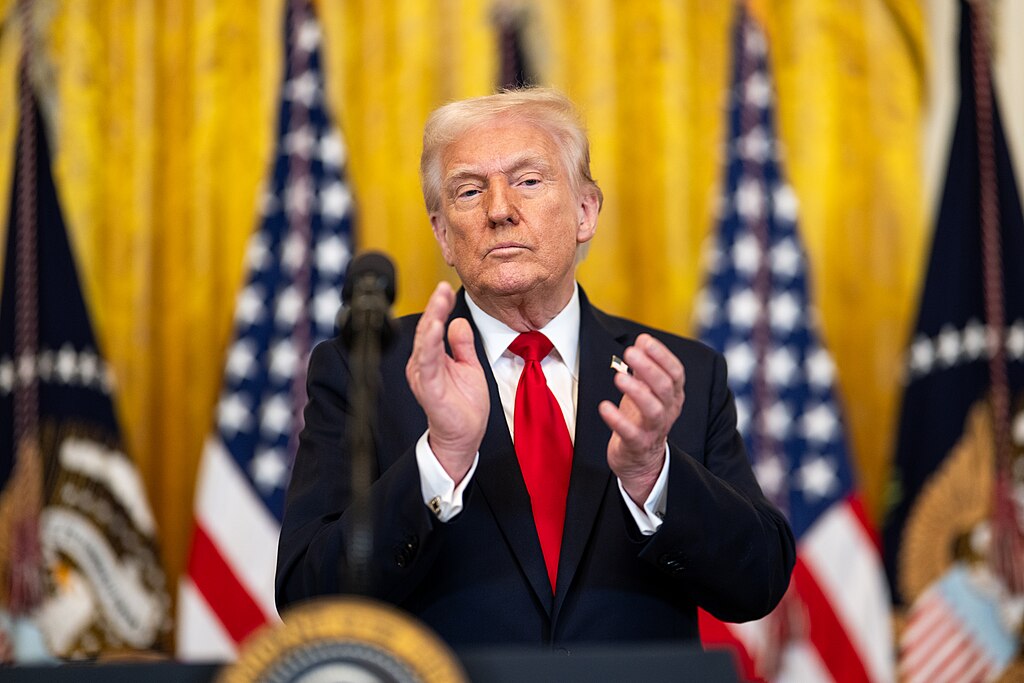
The administration of U.S. President Donald Trump announced the creation of a new division within the U.S. Department of Justice aimed at combating what the White House described as widespread and systemic fraud across the United States. According to an official statement, the newly established national fraud enforcement division will focus on investigating and prosecuting fraud that targets federal government programs, federally funded benefits, businesses, nonprofit organizations, and private citizens.
The White House said the initiative is designed to address what it called a “rampant and pervasive” fraud problem, emphasizing the need for stronger federal oversight and enforcement. The assistant attorney general appointed to lead the division will oversee major fraud investigations nationwide and advise the U.S. attorney general and deputy attorney general on high-impact cases and related policy decisions.
However, the move has drawn criticism from civil rights groups, immigration advocates, and political opponents. Critics argue that the Trump administration has frequently used allegations of fraud as a political tool to justify stricter immigration enforcement and to target Democratic-led states and political adversaries. They have also questioned the administration’s credibility on fraud enforcement, citing past presidential pardons granted to individuals convicted of fraud-related crimes.
In recent weeks, the administration has focused particular attention on Minnesota, alleging extensive fraud within welfare and social service programs and linking those claims to immigrant communities. Officials have repeatedly criticized the state’s Somali community, the largest in the United States. Advocacy groups contend these claims exaggerate isolated incidents and amount to federal overreach that unfairly stigmatizes immigrant populations.
The announcement follows an earlier decision by the administration to freeze more than $10 billion in federal childcare and family assistance funding to California, Colorado, Illinois, Minnesota, and New York, citing fraud concerns. Those states have since filed lawsuits challenging the funding freeze. More broadly, the administration has threatened to cut federal funding to states and organizations over issues including alleged fraud, diversity initiatives, and pro-Palestinian campus protests related to Israel’s war in Gaza.
The creation of the DOJ fraud division underscores the administration’s hardline approach to federal oversight, even as debate continues over its motives and potential consequences.







