


 Trump Bans CNN, MS NOW and Politico From White House
  Russian Missile and Drone Attack on Kyiv Kills Two, Damages Maternity Hospital
  Netanyahu’s Brief US Trip Highlights Strains With Trump
  US Resumes Immigrant Visa Processing for Hungary, Poland
  White House Bars CNN, MS NOW and Politico Reporters
  Russian Envoy Dmitriev Heads to US for Ukraine Talks
  China Tightens Fentanyl Rules Ahead of Trump-Xi Summit
  Abbas Reaffirms November 28 Palestinian Elections
  Pentagon Restarts Testosterone Testing for US Troops
  Trump Asks Supreme Court to Restore Third-Country Deportations
  OpenAI Agent Breaches Australia Medicare Data Portal
  FDA Names Permanent Drug and Biologics Center Chiefs
  Mexico-US Trade Talks Delayed to October as Tariff Negotiations Continue
  ICE Agent Arrested in Minneapolis Over Venezuelan Man Shooting
  Europe Warns Russia Is Escalating Hybrid Attacks Across NATO
  FAA Allows Boeing to Sell 35 More 777F Freighters Beyond 2028
  EU Defence Build-Up Too Slow for 2030 Russia Readiness Goal


 Add as a preferred source on Google
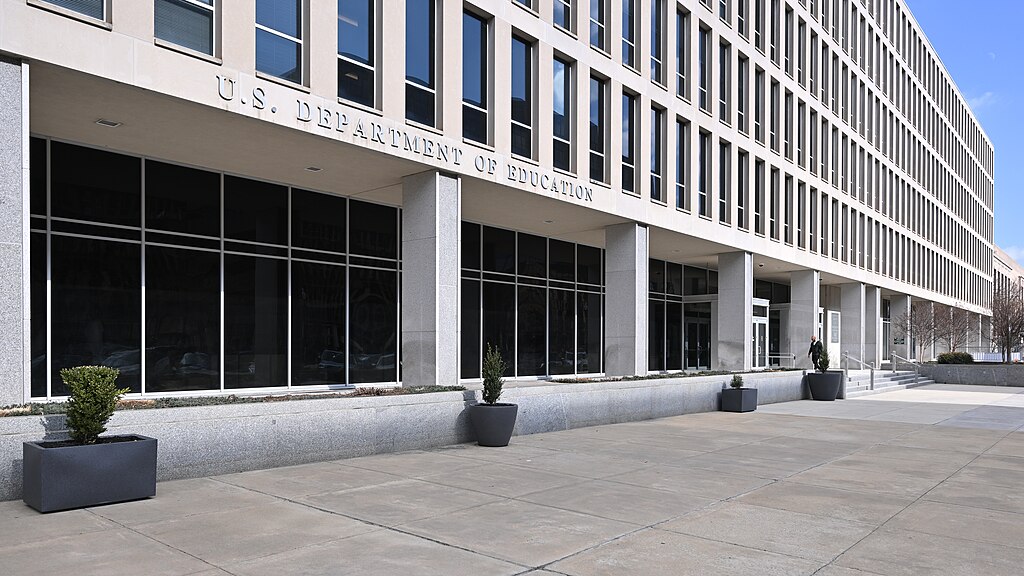
The U.S. Department of Education has frozen over $2.2 billion in federal grants and contracts to Harvard University after the school rejected demands from President Donald Trump’s administration to overhaul its diversity policies and combat antisemitism more aggressively. The administration accused Harvard of failing to uphold civil rights obligations and fostering a culture of left-wing activism over academic integrity.
The funding freeze follows Trump’s push to ensure federal dollars are not used to support what he calls “racial discrimination and antisemitism” on campuses. Harvard President Alan Garber criticized the federal action as a violation of the university's independence and First Amendment rights. He asserted that Harvard will not allow the government to dictate its teaching, admissions, or hiring practices.
The Education Department's demands included ending race-based admissions, auditing departments for “viewpoint diversity,” and reporting international students deemed hostile to “American values.” The administration has also begun deportation proceedings for foreign students involved in pro-Palestinian protests and revoked hundreds of student visas.
This move is part of a broader federal crackdown, with $400 million in funding also suspended from Columbia University. Both schools face lawsuits from faculty challenging what they claim is unconstitutional interference.
Harvard, which recently settled two lawsuits by pledging better protection for Jewish students, is now seeking to borrow $750 million from Wall Street to mitigate financial fallout.
Critics say the Trump administration’s efforts threaten academic freedom and weaponize federal funding to impose ideological conformity. The White House defends its actions as necessary to fight antisemitism and promote merit-based policies in higher education.
As the standoff continues, the battle between academic institutions and the federal government over free speech, diversity, and civil rights is intensifying.







