


 NATO Boosts Intelligence Sharing Amid Russia Hybrid Threats
  Europe Warns Russia Is Escalating Hybrid Attacks Across NATO
  Gaza Faces Evacuation Crisis as War-Damaged Buildings Risk Collapse
  France Defends Netanyahu Airspace Clearance Despite ICC Warrant
  North Korea Rejects Nuclear Test Warning, Calls Nuclear Status Irreversible
  EU Defence Build-Up Too Slow for 2030 Russia Readiness Goal
  US Invites Putin to Miami G20, Opening Door to Trump Summit
  US Officials Split Over Response to Israeli West Bank Settlements
  Ghana Says Western Support Growing for Slave Trade Reparations
  Russian Missile and Drone Attack on Kyiv Kills Two, Damages Maternity Hospital
  Netanyahu Defends Israel at UN as Delegates Stage Walkout
  Abbas Reaffirms November 28 Palestinian Elections
  Judge Orders Trump to Restore White House Access for CNN, MS NOW and Politico
  Sudan Rejects US Legitimacy Remarks, Defends Sovereignty
  Netanyahu Takes Aim at Mamdani as Israel Election Nears
  Kremlin Says No Decision Yet on Putin-Trump December Summit
  Russian Envoy Dmitriev Heads to US for Ukraine Talks


 Add as a preferred source on Google
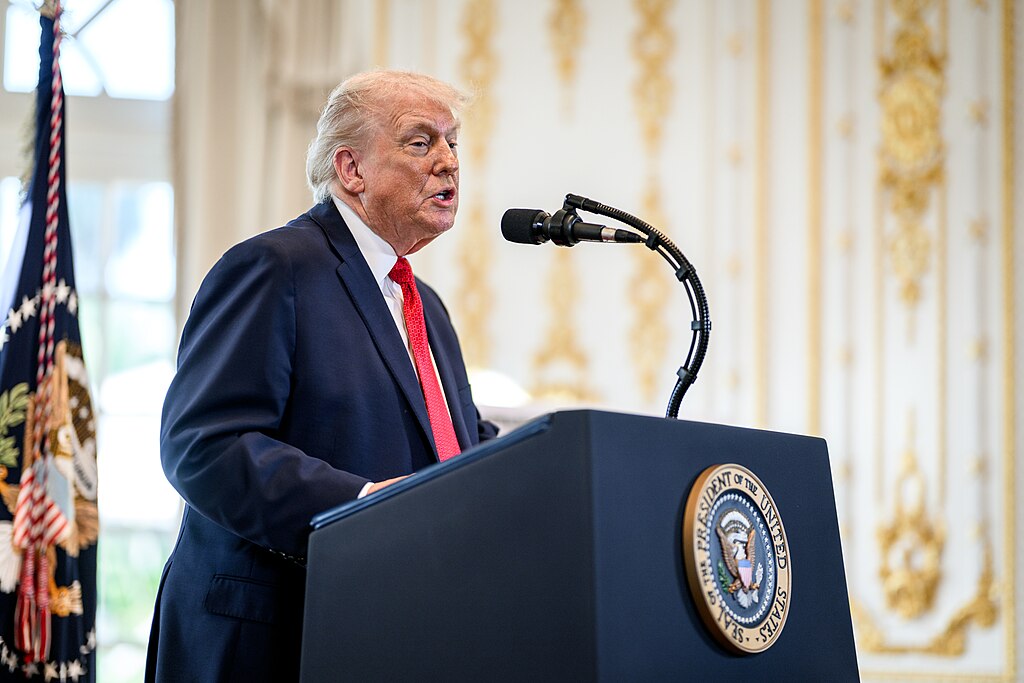
Since launching joint military operations with Israel against Iran on February 28, President Donald Trump and his administration have struggled to maintain a consistent narrative around the conflict's objectives, duration, and definition of success — raising serious concerns among critics about the lack of a coherent strategy.
When the attacks began, Trump called on Iranian citizens to overthrow their own government, framing the military campaign as a rare generational opportunity for regime change. Simultaneously, his administration outlined broader military goals, including eliminating Iran's nuclear ambitions, dismantling its ballistic missile program, and neutralizing its naval capabilities. Trump claimed Iranian missiles posed a growing threat to Europe and potentially the American homeland — assertions that both independent experts and U.S. intelligence agencies have disputed.
Confusion deepened when Secretary of State Marco Rubio and Trump offered contradictory explanations for why the U.S. joined the offensive. Rubio suggested Washington acted to prevent retaliatory strikes on American forces following an inevitable Israeli attack, while Trump insisted the U.S. moved first because Iran was preparing to strike.
Projected timelines proved equally inconsistent. Trump initially estimated the war would last around four weeks, then extended that estimate, and later appeared to suggest it was already over — before quickly walking that back. On different days, he described the conflict as "pretty much complete" and simultaneously said there was still a job to finish.
By mid-March, Trump softened his regime-change rhetoric, acknowledging that unarmed civilians face significant obstacles in toppling a government. Pentagon chief Pete Hegseth confirmed there was no set timeline, leaving the war's endpoint entirely at the president's discretion.
As of March 20, Trump suggested the U.S. was nearing its objectives and considering scaling back military efforts, while firmly rejecting any formal ceasefire agreement.







