


 Abbas Reaffirms November 28 Palestinian Elections
  US Invites Putin to Miami G20, Opening Door to Trump Summit
  Trump Asks Supreme Court to Restore Third-Country Deportations
  Sudan Rejects US Legitimacy Remarks, Defends Sovereignty
  Judge Orders Trump to Restore White House Access for CNN, MS NOW and Politico
  North Korea Warns South Korea Over US-Led Defense Role
  Netanyahu Defends Israel at UN as Delegates Stage Walkout
  Russian Envoy Dmitriev Heads to US for Ukraine Talks
  Pezeshkian Says US Must Choose When Iran War Ends
  US, China Extend Trade Truce to Jan. 10 Ahead of Trump-Xi Summit
  NATO Boosts Intelligence Sharing Amid Russia Hybrid Threats
  Mexico-US Trade Talks Delayed to October as Tariff Negotiations Continue
  OpenAI Agent Breaches Australia Medicare Data Portal
  North Korea Rejects Nuclear Test Warning, Calls Nuclear Status Irreversible
  South Korea, US Discuss Warship Building Cooperation
  Trump, Xi Focus on Trade and AI at White House Summit
  Taiwan Thanks US for Support Ahead of Trump-Xi Summit


 Add as a preferred source on Google
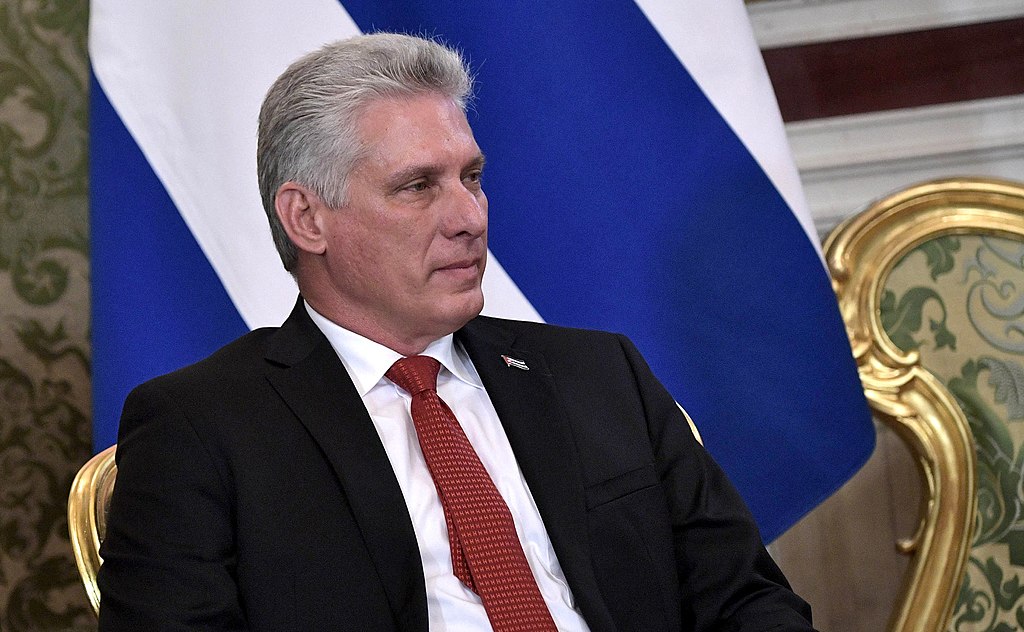
Cuba has firmly pushed back against reports that its political leadership or governmental structure could be part of any negotiation with the United States. Deputy Foreign Minister Carlos Fernandez de Cossio made clear at a press conference that Cuba's political system and the position of President Miguel Diaz-Canel are entirely off the table in any bilateral discussions with Washington.
This strong rejection follows media reports suggesting the Trump administration was crafting an economic deal that would ease trade restrictions on Cuba in exchange for Diaz-Canel stepping down before his term ends. The New York Times and USA Today both cited sources familiar with the talks, noting that the proposal would leave the influential Castro family untouched, while Raul Castro, now 94, continues to wield significant power behind the scenes.
President Diaz-Canel, speaking to foreign humanitarian aid workers visiting Cuba, acknowledged the possibility of U.S. aggression and signaled the country is actively preparing its defenses. His tone has grown increasingly defiant, declaring on social media that any aggressor would face fierce resistance from the Cuban people.
The backdrop to these tensions is an intensifying economic crisis in Cuba, worsened by an oil blockade enforced under President Trump, who has publicly stated he can act freely regarding the island nation. Cuba confirmed last week that it had entered into talks with U.S. representatives, though officials have declined to share specific details about the location or progress of those discussions.
Both nations have longstanding grievances on the table, including Cuba's claims for damages caused by the decades-long U.S. economic embargo and over 5,900 compensation claims filed by Americans whose properties were seized after the 1959 Cuban Revolution.
Cuban officials stressed that while complex issues exist, meaningful progress requires genuine dialogue and mutual respect for sovereignty, not preconditions targeting elected leadership.







