


 Saudi Arabia, Turkey and Pakistan Plan Urgent Defence Talks Over Houthi Attacks
  Netanyahu Defends Israel at UN as Delegates Stage Walkout
  Wall Street Ends Flat as Oil, Treasury Yields and Fed Jitters Rattle Markets
  Najib Razak Seeks Stay of 15-Year 1MDB Prison Sentence
  North Korea Rejects Nuclear Test Warning, Calls Nuclear Status Irreversible
  EU Agrees €6.6 Billion Military Aid Funding for Ukraine
  Pezeshkian Says US Must Choose When Iran War Ends
  France Defends Netanyahu Airspace Clearance Despite ICC Warrant
  Evan Gershkovich Says FSB Set Trap for 2023 Russia Arrest
  US 10-Year Treasury Yield at 6% Emerges as New Market Risk Threshold
  Saudi Arabia Seeks Military Support as Houthi Attacks Escalate
  Gold Holds Near $4,275 as Rising Treasury Yields Fuel Fed Rate Hike Bets
  Netanyahu’s Brief US Trip Highlights Strains With Trump
  Abbas Reaffirms November 28 Palestinian Elections
  RBI Uses $10 Billion Currency Swaps to Drain Excess Rupee Liquidity
  Ukrainian Drone Attacks Hit Russian Regions, Injuring at Least 12
  Trump Asks Supreme Court to Restore Third-Country Deportations


 Add as a preferred source on Google
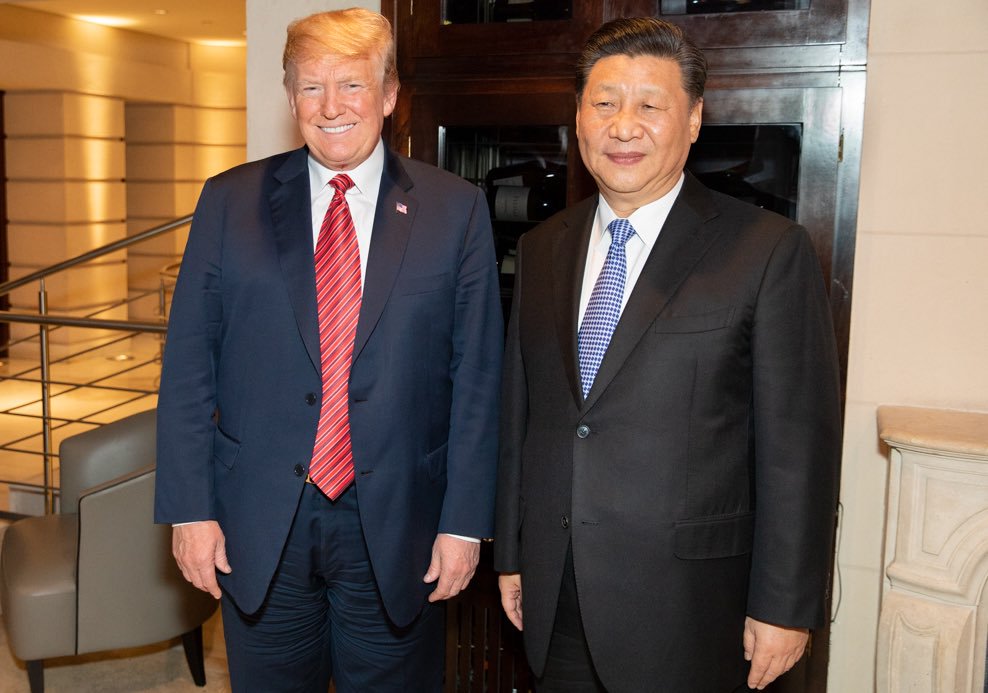
U.S. President Donald Trump admitted that his proposed 100% tariff on Chinese imports is “not sustainable,” but placed the blame on Beijing for escalating trade tensions. Speaking to Fox Business Network, Trump said Chinese authorities forced his hand after tightening control over rare-earth exports, a sector crucial to global tech manufacturing.
The tariffs, unveiled a week ago, also included new export controls on critical U.S. software set to take effect by November 1—just before existing tariff relief expires. Trump’s remarks came as he confirmed plans to meet Chinese President Xi Jinping in South Korea within two weeks, expressing optimism about reaching a “fair deal.”
The president’s softened tone helped stabilize Wall Street, with major U.S. stock indexes rebounding after sharp declines triggered by renewed tariffs and regional bank concerns. Meanwhile, U.S. Treasury Secretary Scott Bessent held what he described as “frank and detailed” talks with Chinese Vice Premier He Lifeng, with plans for an in-person meeting next week.
The World Trade Organization (WTO) voiced deep concern over the escalating U.S.-China trade dispute. WTO Director-General Ngozi Okonjo-Iweala warned that economic decoupling between the world’s two largest economies could slash global output by 7% in the long term. She urged both nations to return to dialogue and de-escalate trade frictions.
China’s Commerce Ministry responded by accusing Washington of undermining the multilateral trading system since 2025 and pledged to intensify its use of WTO dispute mechanisms. It urged the U.S. to withdraw measures that violate non-discrimination rules and align its industrial and security policies with global trade obligations.
Despite the diplomatic strain, Trump reaffirmed that communication remains open, stating, “China wants to talk, and we like talking to China.”







