


 What’s so special about Ukraine’s minerals? A geologist explains
  Ukraine minerals deal: the idea that natural resource extraction can build peace has been around for decades
  ING Says Yen Is 20% Undervalued Against Dollar
  Extreme heat, flooding, wildfires – Colorado’s formerly incarcerated people on the hazards they faced behind bars
  Moody’s Affirms NVIDIA Aa1 Rating as AI Data Center Guarantees Reach $105 Billion
  Nordson Stock Rises as Q3 Earnings Beat Estimates, Outlook Raised
  Moderna Short Sellers Hit With $4.8 Billion Loss as Stock Soars
  REPAY Stock Rises After Visa Platform Connect Collaboration
  Samsung Eyes $72 Billion Shareholder Return Plan as AI Chip Boom Fuels Profits
  Apple Cuts Over 200 Siri, Vision Pro Jobs in AI Shift
  Rise of the Zombie Bugs takes readers on a jaw-dropping tour of the parasite world
  Fungi are among the planet’s most important organisms — yet they continue to be overlooked in conservation strategies
  Asian Stocks Rally as KOSPI, Nikkei Surge on Bond Market Relief
  As the Black Summer megafires neared, people rallied to save wildlife and domestic animals. But it came at a real cost
  TikTok, DOJ Reach $400 Million Children’s Privacy Settlement


 Add as a preferred source on Google
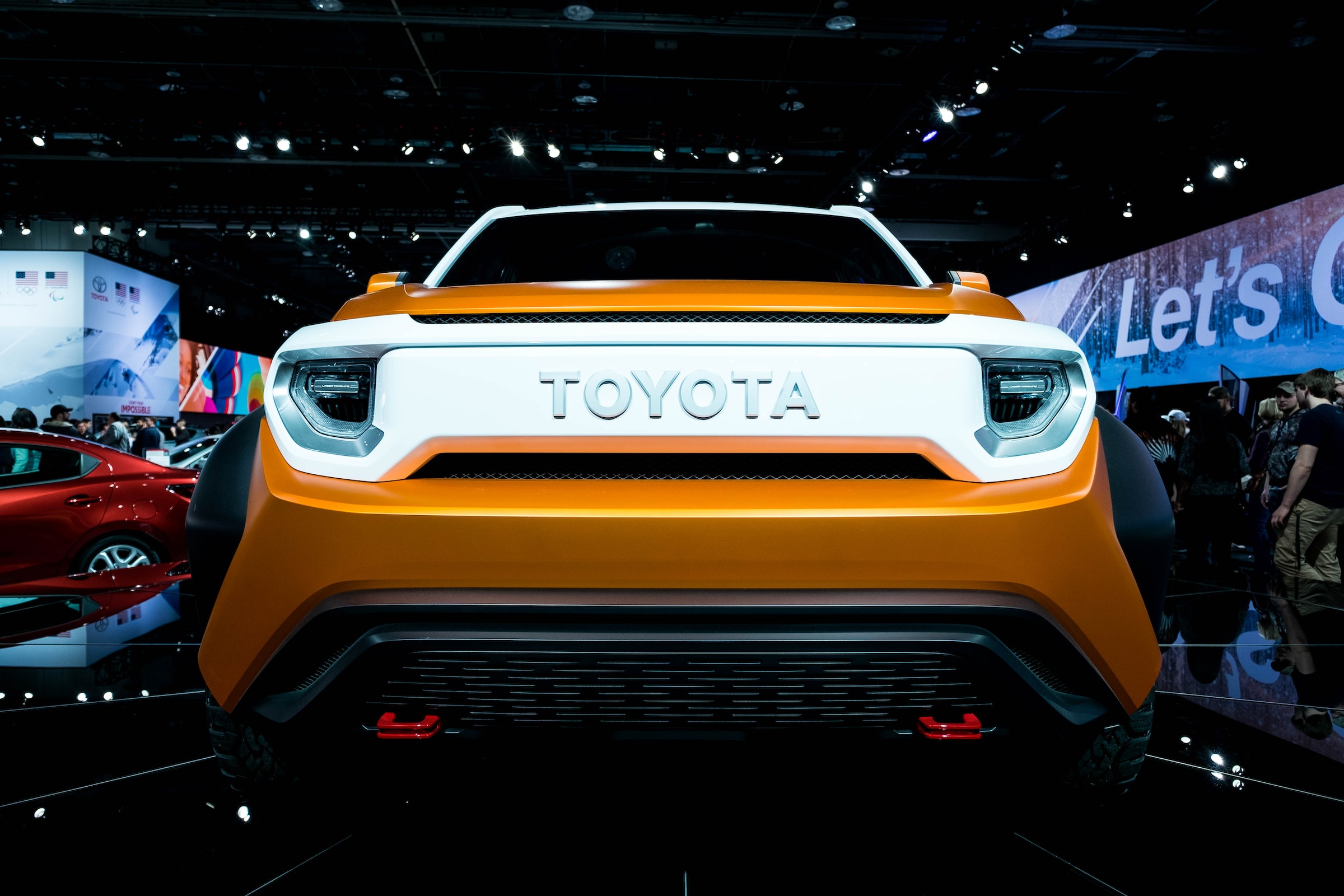
Toyota announces a breakthrough solid-state electric vehicle for 2027, promising to double the current driving range to 1200km and cut charging time to 10 minutes, revolutionizing the EV market.
Boasting a range double that of current models, the Japanese carmaker's ambition is to revolutionize the EV market with the implementation of a next-generation car that runs on solid-state batteries. What's even more intriguing is their new breakthrough in solid-state batteries; addressing major consumer concerns over range and durability, they aim to commercialize their new tech over 2027–2028.
The revolutionary battery promises a range of 1200 km and a charging time of as little as 10 minutes. This marks a significant leap in efficiency compared to the current industry standard, which requires up to thirty minutes for a quick charge. For the same feat, even the largest supercharger network, Tesla's, requires 15 minutes and will give only 321 km of charge.
This announcement has resulted in significant gains for their shares, with an increase of 5% in just one day. Toyota aims to launch next-gen lithium-ion batteries by 2026, ensuring longer ranges and quicker charging. Using solid electrolytes instead of liquid, it has a higher energy density that leads to an extended range, yet is safer than the lithium-ion battery, which isn't immune to the risk of catching fire if electrolytes leak.
Not only are they aiming to make solid-state batteries more durable and mass-producible by 2027-2028, but they're also hedging their bets by developing three types of lithium-ion batteries, which are cheaper by 20 to 40%. The automaker plans to introduce 10 new electric models by 2026 and achieve annual electric vehicle sales of 1.5 million units worldwide.
Toyota's redefined strategy is in response to the increase in competition from automaker giants such as Tesla Inc. and China's BYD Co.
Photo: Austin Park/Unsplash







