


 Fed Unveils Stablecoin Rules Under GENIUS Act
  US Comfortable With Canada Trade Standoff as Import Bans Loom
  Oura IPO Draws Strong Demand Ahead of $2.2 Billion Offering
  Solidigm Eyes $150 Billion IPO as SK Hynix Expands AI Storage Push
  BMW 2028 Margin Target Could Fall Below Consensus, UBS Says
  U.S. Issues Cuba Health Alert as Illnesses Rise
  European Stocks Fall as Bond Yields and Geopolitical Risks Weigh
  EQT Plans €1.7 Billion Sale of Parques Reunidos Stake
  Novo Nordisk Raises 2025 Outlook Despite Wegovy Pill Miss and CagriSema Setback
  Dubai’s connectivity remains strong in an uncertain world
  GLP-1 Weight-Loss Drug Use Surges Among U.S. Children
  Dollar Holds Near Two-Month High as Yen Approaches 160
  Jeff Bezos Invests $32 Billion in Blue Origin as Space Firm Targets Major Growth
  U.S. Dollar Hits Two-Month High as Oil, Treasury Yields Surge
  AstraZeneca Q2 Earnings Beat Forecasts as Oncology Growth Supports 2026 Outlook


 Add as a preferred source on Google
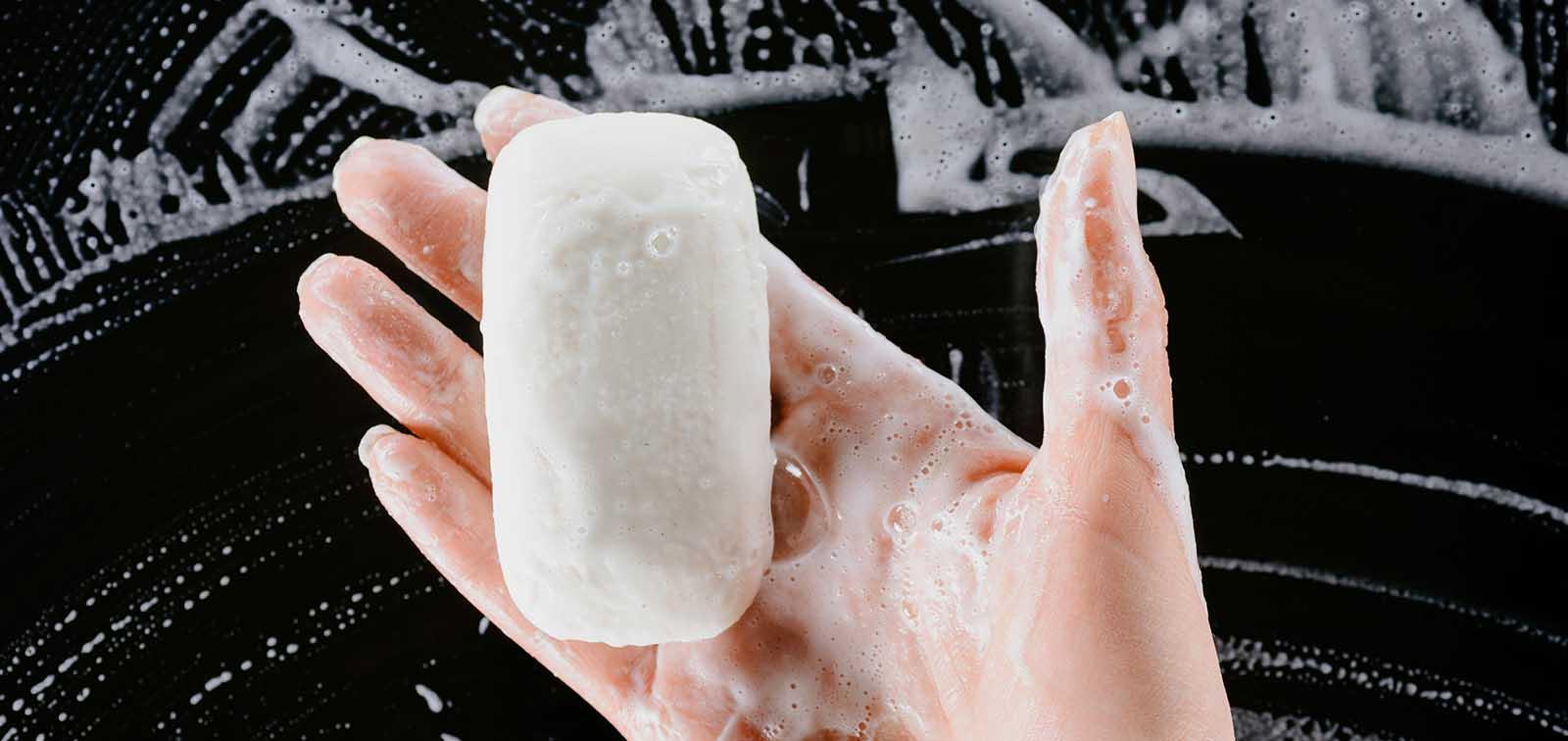
With 3.2 million British adults in hygiene poverty, many are ashamed to go to work because they cannot afford soap and deodorant.
Hygiene Bank, which conducted the research with YouGov, revealed that 12 percent of the 3.2 million Brits had avoided facing colleagues as a result of this.
According to Hygiene Bank CEO Ruth Brock, the situation is more widespread than feared, it's increasing, and disproportionately impacting the most vulnerable.
She pointed out that by the time people are not switching on their heating or are going to a food bank, they’ve stopped buying essential hygiene products weeks before.
The report says that people in hygiene poverty were most likely to go without shaving products, deodorant, washing powder, and other cleaning products.







