


 AstraZeneca Halts Phase III Volrustomig Lung Cancer Trial After Efficacy Setback
  Moderna Wins FDA Approval for mFLUSIVA mRNA Flu Vaccine for Adults 50+
  US-Backed Pediatric HIV Treatment Drops After Foreign Aid Changes, Study Finds
  3 clinical-grade skincare creams you really shouldn’t buy online
  Eli Lilly Eyes AtaiBeckley Acquisition to Expand Psychedelic Mental Health Pipeline
  Hanmi Pharm Soars 30% on $2.3 Billion Genentech Obesity Drug Deal
  New Mexico Measles Outbreak Cost Reached $5.4 Million, Study Finds
  Hims & Hers Shares Fall as GLP-1 Costs Widen Q2 Loss
  U.S. Issues Cuba Health Alert as Illnesses Rise
  FDA Investigates New Cyclospora Outbreak as U.S. Cases Continue to Rise
  France Battles Mediterranean Wildfires as Heatwave Fuels Fire Risk
  Novo Nordisk Strikes €1.17 Billion Nanexa Drug Delivery Deal
  Trump Signs Order to Cut Routine Childhood Vaccines
  Novo Nordisk Eyes Turnaround as Oral Wegovy Challenges Eli Lilly in Weight-Loss Drug Race


 Add as a preferred source on Google
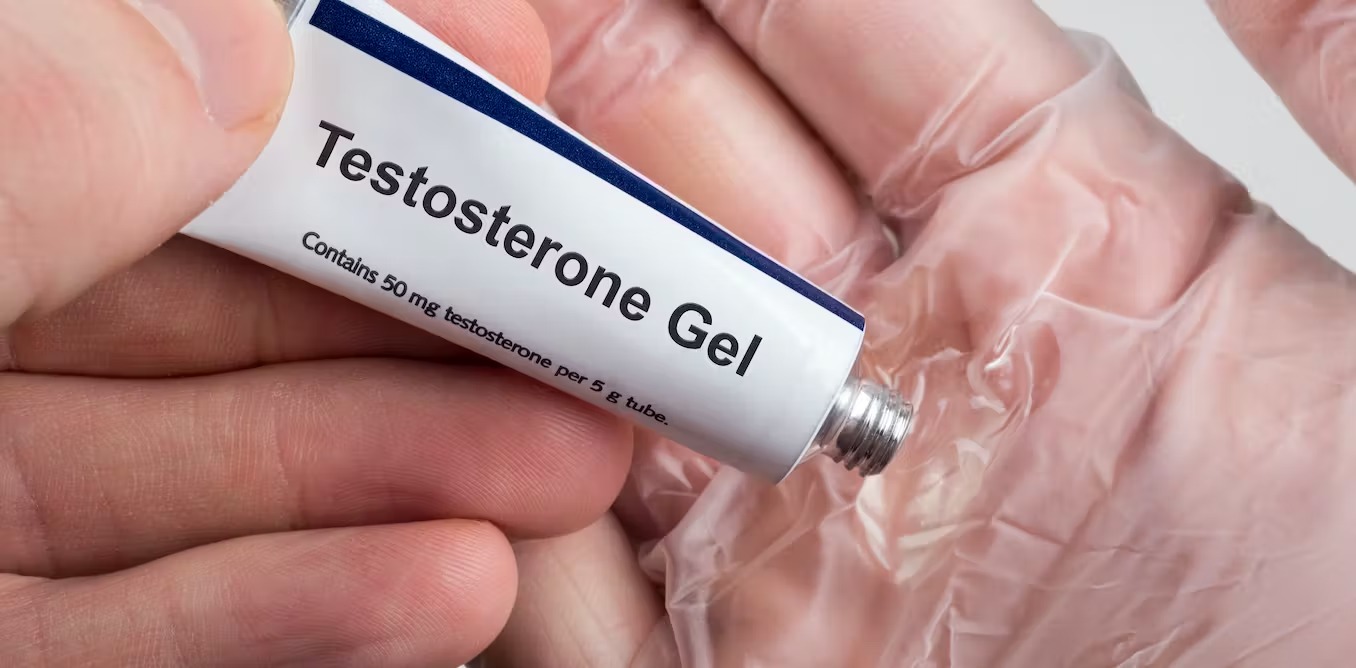



East Midlands Ambulance Service is reportedly giving men up to a year of paid leave for “andropause related issues”, which some are calling the “male menopause”.
This move has angered some commentators who question whether there really is such a thing as the male menopause or “manopause”.
The andropause is not a condition that was recently invented. The medical establishment has been talking about it since the 1940s when it was known as the “male climacteric”. Symptoms of this condition include a lack of energy, weight gain (including “man boobs”), sexual difficulties, sleep problems, anxiety, irritability, depression and even hot flushes.
While many private clinics recognise and treat andropause, it is not recognised as a syndrome by the NHS, nor is it usually caused by a radical drop in “male hormones”, such as testosterone. Testosterone levels do naturally decline in men, but the average decrease is around 1% per year after the age of 30.
Less common – only seen in 6% of adult men under 80 – are chronically low levels of testosterone, also known as androgen deficiency. This may result from accidents affecting their testes, experiencing severe illness, or treatment for prostate cancer.
The natural drop in testosterone can be worsened by obesity, extreme stress and some medications or diseases, including drinking too much alcohol. So the andropause is probably more of a lifestyle symptom and therefore should be tackled as such.
The recent media spotlight on female menopause has highlighted just how badly women can be affected by midlife reduction in hormone levels. So much so that the UK government had to appoint a dedicated “menopause tsar” to deal with the resulting shortage of oestrogel, a popular form of HRT, as more and more women seek menopause treatment.
The East Midlands Ambulance Service is commendable in wanting to support men in making mid-life lifestyle changes, but calling it the “male menopause” undermines the magnitude of the physiological changes women experience as part of female menopause.
For men, lifestyle changes can have huge benefits. Taking care of heart health, exercise and healthy diets in midlife are known to be good for brain function and can help prevent dementia and heart disease later on.

Exercise can stave off some of the effects of declining male hormones. Evgeny Atamanenko/Shutterstock
Hormone replacement
While many women report that taking sex hormones helps with brain problems, actual studies do not show overall long-term benefit of hormone treatment on memory or mood. There are also small risks linked with taking hormone therapy.
In contrast, for those who have had their ovaries or testes removed, or take hormone blockers because of cancers, a significant drop in memory and mood can occur and reduced testosterone has been associated with an increased risk for dementia, such as Alzheimer’s disease and heart disease – the two main causes of death in the UK.
However, it is unclear whether testosterone treatment helps to reduce this risk in men, as some studies showed an increased risk of heart disease, while others found testosterone treatment to be protective or have no effect.
In men with low testosterone levels, overall studies suggest that taking testosterone reduced depression and improved erections and libido. There may also be benefits of oestrogen or testosterone gel on sexual function in women.
However, study results have been mixed and caution should always be taken with interpreting the results of research sponsored by the industries producing the treatments. Also, libido is not simply linked to hormones, and a dry vagina or limp penis can be influenced by factors such as relationship stress or work stress – or both.
The stress effect
Could andropause be a manifestation of midlife stress? Most likely. And this is not a matter of hormone change. Rather, while dips in life satisfaction are only seen in 10-20% of adults in middle age (and often not shown over time), this is probably the result of an evaluation of life at this important new stage.
Importantly, suicide risk is highest in men between 40 and 49 and is the most common cause of death in men under 50. Many men may mask their depression with alcohol, drugs and overwork. This risk is highest in the poor.
We should applaud the East Midlands Ambulance Service for paying attention to men’s mental health, but maybe not because of the andropause. Rather, interventions that tackle poor pay, working conditions, job stress, public harassment and work-life satisfaction may help improve mental health more than framing these concerns as male menopause.
In the full statement by the East Midlands Ambulance Services, it was made clear that there is no separate or special leave policy for andropause with 12 months off on full pay. Instead, decisions are made on a case-to-case basis, trying to keep staff in work where possible and supporting them with their mental health in a wide variety of ways.







