


 South Korea Assures U.S. on Trade Deal Commitments Amid Tariff Concerns
  South Africa Eyes ECB Repo Lines as Inflation Eases and Rate Cuts Loom
  ECB’s Cipollone Backs Digital Euro as Europe Pushes for Payment System Independence
  Asian Stocks Slip as Tech Rout Deepens, Japan Steadies Ahead of Election
  Oil Prices Slide on US-Iran Talks, Dollar Strength and Profit-Taking Pressure
  Japanese Pharmaceutical Stocks Slide as TrumpRx.gov Launch Sparks Market Concerns
  RBA Raises Interest Rates by 25 Basis Points as Inflation Pressures Persist
  Trump Lifts 25% Tariff on Indian Goods in Strategic U.S.–India Trade and Energy Deal
  Japan Economy Poised for Q4 2025 Growth as Investment and Consumption Hold Firm
  Gold and Silver Prices Rebound After Volatile Week Triggered by Fed Nomination
  Gold Prices Slide Below $5,000 as Strong Dollar and Central Bank Outlook Weigh on Metals
  Vietnam’s Trade Surplus With US Jumps as Exports Surge and China Imports Hit Record
  China Extends Gold Buying Streak as Reserves Surge Despite Volatile Prices


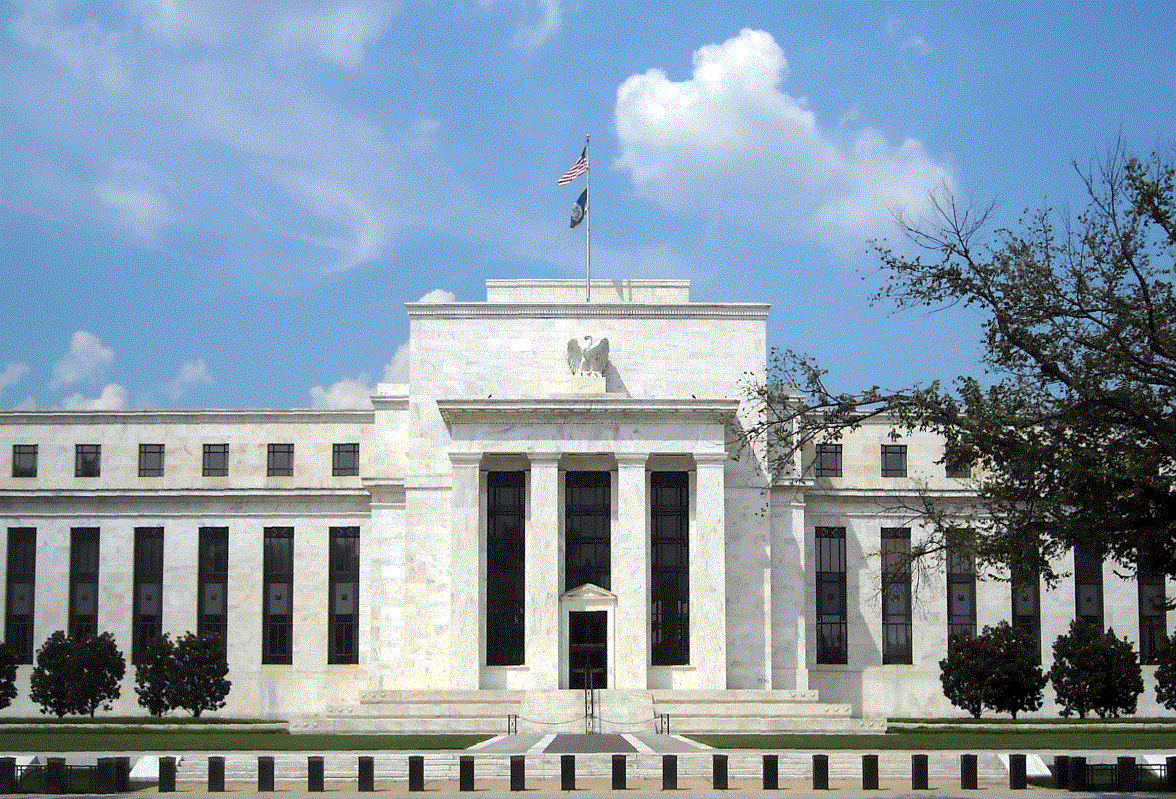
The Fed's Expanding Role
The Federal Reserve (Fed) is increasingly moving beyond its traditional role as a lender of last resort, adapting to pressures from rising U.S. fiscal deficits driven by presidential candidates' proposals. As the Fed engages more deeply with financial markets, concerns grow over its influence on market dynamics.
Recent Developments in Treasury Markets
On September 30, typical end-of-quarter strains in Treasury markets prompted a $2.6 billion drawdown from the Fed's Standing Repo Facility (SRF), established in 2021 to alleviate cash shortfalls. Despite this action, sources indicated that liquidity issues were minimal, revealing a deeper structural problem: the massive size of the Treasury market, now at approximately $28 trillion. Regulations post-2008 have limited banks' capacity to facilitate trade, causing market inefficiencies.
The Impact of U.S. Deficits
As U.S. fiscal deficits continue to balloon, estimates suggest that proposals from former President Donald Trump could add $7.5 trillion over ten years, while Democratic rival Kamala Harris's plans could increase deficits by $3.5 trillion. The Fed's intervention strategies may include expanding borrowing options and initiating earlier access to the SRF.
Risks of Increased Fed Involvement
While ensuring smooth Treasury market operations is crucial for global financial stability, the Fed's escalating role could lead to asset bubbles and reduced investor participation. Economic experts emphasize the need for a redesign of the financial system to manage liquidity demands effectively, particularly during times of stress.
Conclusion
The Fed's evolving presence raises critical questions about moral hazard, as market participants may rely too heavily on its interventions. Ensuring a balanced approach will be vital to maintaining market integrity and stability.













