


 U.S.-India Trade Framework Signals Major Shift in Tariffs, Energy, and Supply Chains
  ECB’s Cipollone Backs Digital Euro as Europe Pushes for Payment System Independence
  BOJ Holds Interest Rates Steady, Upgrades Growth and Inflation Outlook for Japan
  Fed Governor Lisa Cook Warns Inflation Risks Remain as Rates Stay Steady
  Singapore Budget 2026 Set for Fiscal Prudence as Growth Remains Resilient
  Trump’s Inflation Claims Clash With Voters’ Cost-of-Living Reality
  Gold and Silver Prices Slide as Dollar Strength and Easing Tensions Weigh on Metals
  Bank of Canada Holds Interest Rate at 2.25% Amid Trade and Global Uncertainty
  South Africa Eyes ECB Repo Lines as Inflation Eases and Rate Cuts Loom
  U.S. Stock Futures Slide as Tech Rout Deepens on Amazon Capex Shock
  Global Markets Slide as AI, Crypto, and Precious Metals Face Heightened Volatility
  Fed Confirms Rate Meeting Schedule Despite Severe Winter Storm in Washington D.C.


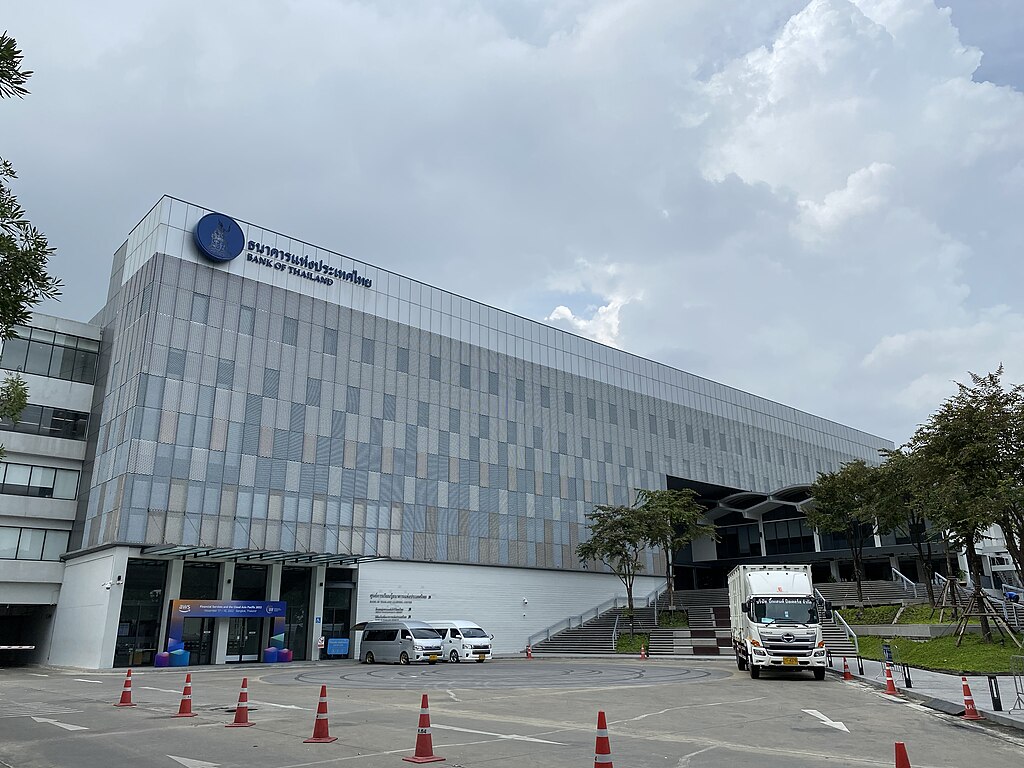
Thailand’s economy is facing mounting structural and external challenges, with declining competitiveness and pressure on exports emerging as key concerns, according to a statement released Wednesday by the Bank of Thailand (BOT). The central bank warned that U.S. tariffs, combined with a strong baht, could negatively affect export performance in the coming periods, adding strain to Southeast Asia’s second-largest economy.
Thailand has been grappling with multiple headwinds, including an appreciating currency, elevated household debt levels, political uncertainty ahead of general elections scheduled for early February, and a border conflict with Cambodia. These factors have collectively weighed on business confidence and economic momentum, particularly in the export-driven sectors that remain vital to Thailand’s growth outlook.
Ahead of a monetary policy forum, the BOT said economic activity showed modest improvement in the second half of last year. Gross domestic product growth during that period is estimated at 1.3% year-on-year, while exports increased by a notable 9.1%. Despite this rebound, the central bank emphasized that longer-term risks remain, especially as global trade conditions tighten and external demand becomes less predictable.
The Bank of Thailand also noted that deflation risks remain low, with medium-term inflation expectations still firmly anchored within the official target range of 1% to 3%. This suggests that price stability is not currently a major concern, giving policymakers some flexibility as they monitor broader economic developments.
However, the strong baht continues to pose challenges, particularly for small- and medium-sized exporters. The central bank said currency appreciation has tightened liquidity for these businesses, making it harder for them to compete internationally and weighing on shipment volumes.
Speaking at the Reuters Global Markets Forum, BOT Deputy Governor Piti Disyatat said economic growth is expected to have turned positive in the fourth quarter of 2025. He added that the government’s previous full-year growth forecast of 2.2% is still likely to be achieved, underscoring cautious optimism despite ongoing risks to Thailand’s economic outlook.













