


 Saudi Arabia, Turkey and Pakistan Plan Urgent Defence Talks Over Houthi Attacks
  Judge Orders Trump to Restore White House Access for CNN, MS NOW and Politico
  What ‘Taiwan Independence’ Means as Xi Presses Trump on US Policy
  Pezeshkian Says US Must Choose When Iran War Ends
  Sudan Rejects US Legitimacy Remarks, Defends Sovereignty
  EU Defence Build-Up Too Slow for 2030 Russia Readiness Goal
  Ghana Says Western Support Growing for Slave Trade Reparations
  North Korea Warns South Korea Over US-Led Defense Role
  Yemen Violence Displaces 130,000 as Civilian Toll Rises
  Trump Asks Supreme Court to Restore Third-Country Deportations
  US Senate Rejects Iran War Powers Resolution in 50-49 Vote
  Taiwan Thanks US for Support Ahead of Trump-Xi Summit
  NATO Boosts Intelligence Sharing Amid Russia Hybrid Threats
  Kremlin Says No Decision Yet on Putin-Trump December Summit
  US Backs Musk in Fight Against EU’s €120 Million X Fine
  Russian Missile and Drone Attack on Kyiv Kills Two, Damages Maternity Hospital
  Trump, Xi Visit US National Archives After White House Summit


 Add as a preferred source on Google
Thailand and Cambodia have agreed to a new ceasefire aimed at ending weeks of intense border fighting, marking a critical step toward easing one of Southeast Asia’s most serious military confrontations in years. The truce, which took effect at noon on Saturday, appeared to be holding in its early hours, according to Thai officials, raising hopes for stability along the long-disputed frontier.
A spokesperson for Thailand’s Defence Ministry confirmed that there were no reports of gunfire in the hours following the ceasefire’s implementation. Cambodian defence authorities also reported no new clashes after alleging a Thai airstrike earlier in the day, prior to the announcement of the agreement. The ceasefire was formally signed by Thai Defence Minister Natthaphon Narkphanit and Cambodian Defence Minister Tea Seiha.
The agreement brings an end to around 20 days of heavy fighting that resulted in at least 101 deaths and displaced more than 500,000 people on both sides of the border. The clashes involved fighter jets, artillery barrages, rocket fire, and ground troop engagements, making it the most severe escalation between the two neighbours in over a decade. Both sides agreed to maintain current troop positions and avoid reinforcements, warning that any movement could heighten tensions and undermine long-term peace efforts.
This latest ceasefire follows the collapse of an earlier truce brokered with support from U.S. President Donald Trump and Malaysian Prime Minister Anwar Ibrahim. Fighting reignited earlier this month after both sides accused each other of violating prior agreements, with violence spreading from forested border areas near Laos to coastal provinces along the Gulf of Thailand.
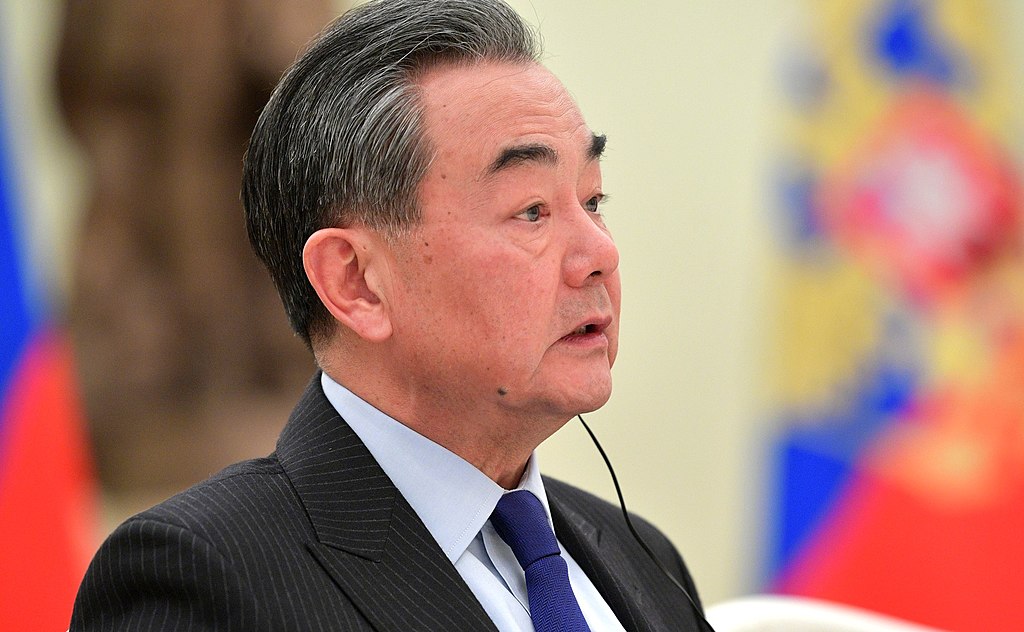
The new truce will be monitored by observers from the Association of Southeast Asian Nations (ASEAN), alongside direct military-to-military communication between Thailand and Cambodia. Diplomatic efforts are also continuing, with senior officials from both countries set to meet China’s Foreign Minister Wang Yi in Yunnan to discuss the border situation.
As part of the agreement, displaced civilians will be allowed to return home, and Thailand has pledged to release 18 Cambodian soldiers held since earlier clashes if the ceasefire holds for 72 hours. Despite the progress, ongoing border demarcation disputes remain unresolved and will be handled through existing bilateral mechanisms, highlighting that while guns may be silent for now, deeper issues still require diplomatic solutions.







