


 Najib Razak Seeks Stay of 15-Year 1MDB Prison Sentence
  Appeals Court Rejects Trump Third-Country Deportation Policy
  Judge Orders Trump to Restore White House Access for CNN, MS NOW and Politico
  Trump Asks Supreme Court to Restore Third-Country Deportations
  Najib Razak Granted House Arrest Until 2028
  Brazil Court Suspends Sigma Lithium Mine Operations
  DOJ Will Investigate AI-Related Crimes, Attorney General Blanche Says
  LVMH-Hermès Dispute Deepens Over Secret 2002 Share Deal
  Paramount-Warner Bros $110 Billion Deal Draws Antitrust Backlash
  Netanyahu’s Brief US Trip Highlights Strains With Trump
  US Judge Dismisses Imran Ahmed Deportation Lawsuit
  ICE Agent Arrested in Minneapolis Over Venezuelan Man Shooting
  US Backs Musk in Fight Against EU’s €120 Million X Fine
  Trump Administration Prepares Sanctions Against Entire ICC
  Trump’s Arlington Arch Project Faces New Court Restrictions
  South Korea, US Discuss Warship Building Cooperation
  SEC Seeks ISS Client Voting Records in Proxy Adviser Probe


 Add as a preferred source on Google
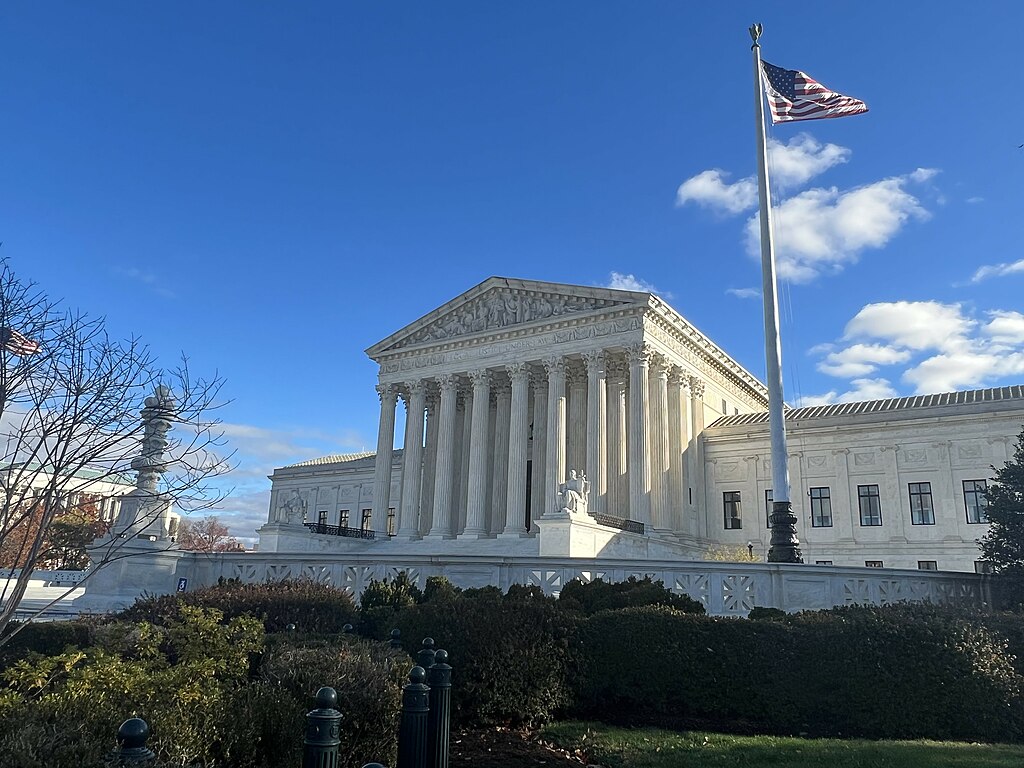
Texas officials have asked the U.S. Supreme Court to reinstate a newly drawn congressional map crafted to strengthen Republican gains in the 2026 midterm elections. The map, approved by the Republican-led legislature in August with support from President Donald Trump, was blocked by a lower federal court that ruled it likely constituted unlawful racial gerrymandering.
In their emergency appeal, Texas officials argued that the lower court misinterpreted the law and created confusion during the crucial candidate filing period. Attorneys for state Attorney General Ken Paxton emphasized that the legislature engaged in normal political decision-making, rejecting the notion that race was a driving factor in reshaping the districts. The Supreme Court has ordered challengers to respond to Texas’ request by Monday.
The blocked map was expected to shift as many as five U.S. House seats from Democrats to Republicans, bolstering the GOP’s slim congressional majority. The move sparked nationwide battles over redistricting, with states like California also redrawing districts to strengthen their own partisan advantage.
Although the Supreme Court ruled in 2019 that partisan gerrymandering claims cannot be challenged in federal court, racial gerrymandering remains unconstitutional under the 14th and 15th Amendments. Civil rights groups, including the NAACP, argued that the Texas map disproportionately diluted minority voting power. Judge Jeffrey Brown concluded that the map was influenced by racial considerations, citing a Justice Department letter that pushed Texas to adjust districts based on voter demographics.
The court ordered Texas to revert to its 2021 map for the 2026 elections, dealing a setback to Trump’s broader national push for Republican-led redistricting efforts. The decision has national implications, affecting political strategies in states such as Indiana, California, and Virginia.
The Supreme Court, holding a 6–3 conservative majority, is already hearing another major redistricting case this term, signaling the continued significance of voting rights and electoral map disputes heading into future elections.







