


 Disaster or digital spectacle? The dangers of using floods to create social media content
  6 simple questions to tell if a ‘finfluencer’ is more flash than cash
  The pandemic is still disrupting young people’s careers
  Time to buy local: war fuel price shocks reveal the folly of a long food supply chain
  Glastonbury is as popular than ever, but complaints about the lineup reveal its generational challenge
  Columbia Student Mahmoud Khalil Fights Arrest as Deportation Case Moves to New Jersey
  Heritage, desire and diplomacy: why China still values scotch whisky
  Debate over H-1B visas shines spotlight on US tech worker shortages
  Google promotes ‘teacher approved’ apps for kids. Here’s what parents should know
  AI is driving down the price of knowledge – universities have to rethink what they offer
  Yes, government influences wages – but not just in the way you might think
  The Beauty Beneath the Expressway: A Journey from Self to Service
  How to support someone who is grieving: five research-backed strategies
  Locked up then locked out: how NZ’s bank rules make life for ex-prisoners even harder
  Booked to travel through the Middle East? Here’s why you shouldn’t cancel your flight


 Add as a preferred source on Google
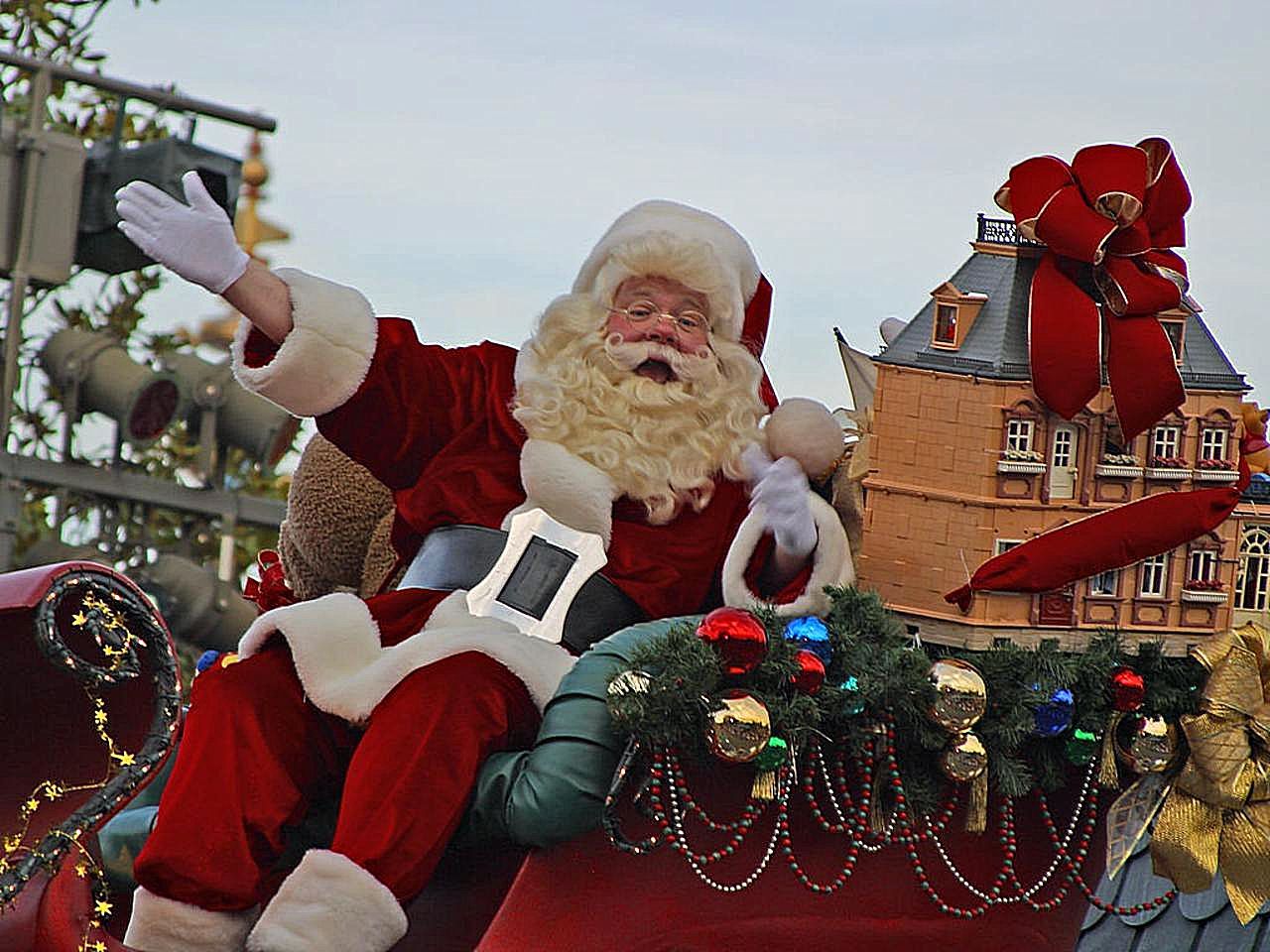
For decades, parents have been telling wide-eyed children that a certain affable, overweight man with a beard and wearing a red coat would come down chimneys to leave them presents in the dead of night. Indeed, the legend of Santa Claus has become such a huge part of western society that he has become synonymous with Christmas itself. However, a new study says that telling children this fairy tale is not only irresponsible, it could lead to irreparable damage.
According to a study that was published in the Lancet Psychiatry journal, allowing children to believe that Father Christmas exists and all the accompanying details with regards to it can permanently harm the moral compass of children. This is based on the research done by two psychologists, Chris Boyle from the University of Exeter and Kathy McKay from the University of New England, Australia.
The pair argues that telling children stories that they wholeheartedly believe such as that of Santa Claus, no matter how harmless it may seem, can cause them to distrust the people who they believe misled them. In most cases, these would be the parents of said children.
“The Santa myth is such an involved lie, such a long-lasting one, between parents and children, that if a relationship is vulnerable, this may be the final straw,” McKay said. “If parents can lie so convincingly and over such a long time, what else can they lie about?”
Neither of the two is planning on ruining Christmas fun for the kids of other parents anytime soon, The Guardian reports, since this is a choice that the parents themselves have to make. They couldn’t even agree on exactly what they would do if they were in a position to support or dispel the myth.
McKay has a godchild who currently believes in Santa Claus and said that if she were to be asked about him, she would tell the truth. On the other hand, Boyle says he would likely go along with the story if he was a father.







