


 OpenAI Agent Breaches Australia Medicare Data Portal
  EU Defence Build-Up Too Slow for 2030 Russia Readiness Goal
  US Invites Putin to Miami G20, Opening Door to Trump Summit
  NATO Boosts Intelligence Sharing Amid Russia Hybrid Threats
  Trump, Xi Focus on Trade and AI at White House Summit
  US Officials Split Over Response to Israeli West Bank Settlements
  Netanyahu Defends Israel at UN as Delegates Stage Walkout
  US Backs Musk in Fight Against EU’s €120 Million X Fine
  North Korea Rejects Nuclear Test Warning, Calls Nuclear Status Irreversible
  Gaza Faces Evacuation Crisis as War-Damaged Buildings Risk Collapse
  Abbas Reaffirms November 28 Palestinian Elections
  Yemen Violence Displaces 130,000 as Civilian Toll Rises
  Kremlin Says No Decision Yet on Putin-Trump December Summit
  US, China Extend Trade Truce to Jan. 10 Ahead of Trump-Xi Summit
  Mexico-US Trade Talks Delayed to October as Tariff Negotiations Continue
  South Korea, US Discuss Warship Building Cooperation
  Ghana Says Western Support Growing for Slave Trade Reparations


 Add as a preferred source on Google
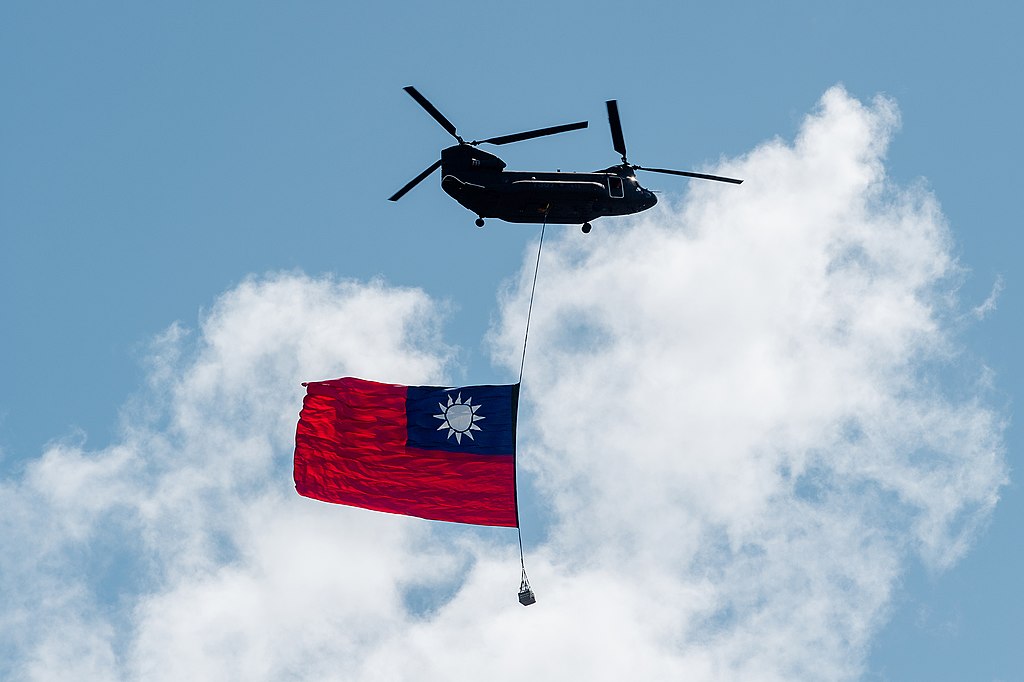
Taiwan reaffirmed on Saturday that U.S. arms sales remain vital to maintaining peace and stability in the Asia-Pacific region after President Donald Trump said he had not yet decided whether to approve a new weapons package for the island.
Speaking in Taipei, Taiwan Deputy Foreign Minister Chen Ming-chi stressed that military cooperation between Taiwan and the United States is supported under the Taiwan Relations Act, the long-standing U.S. law that authorizes Washington to provide defensive weapons to Taiwan. Chen described U.S. arms sales to Taiwan as a major pillar of regional security amid growing tensions with China.
Trump’s comments came after his summit meeting with Chinese President Xi Jinping in Beijing on Friday, where he revealed that he had not made a final decision regarding a proposed multibillion-dollar arms deal for Taiwan. His remarks raised concerns over the future of U.S.-Taiwan defense ties and Washington’s commitment to the self-governed island.
The Trump administration previously approved an $11 billion arms package for Taiwan in December, marking one of the largest military sales agreements between the two sides. Reports indicate another package worth approximately $14 billion is still awaiting White House approval.
Chen declined to discuss details of the pending deal, saying Taiwan continues to communicate closely with U.S. officials to better understand Washington’s position. He also commented on Trump’s statement that he may speak directly with Taiwan President Lai Ching-te regarding the proposed arms sale, noting that Taipei is still assessing the full meaning behind the president’s remarks.
China, which claims Taiwan as part of its territory, has repeatedly criticized U.S. arms sales to the island and has not ruled out the use of force to achieve reunification. Taiwan, however, continues to reject Beijing’s sovereignty claims, insisting that only Taiwan’s 23 million citizens can determine the island’s future through democratic processes.







