


 Oracle Uses Trucked Natural Gas to Power AI Data Centers Amid Pipeline Delays
  EU Gives Crypto Platforms Three Months to Remove USDT Under MiCA Rules
  Crypto Rallies as CLARITY Act Failure Opens Door to Faster SEC Rules
  Tencent Shares Fall as $5 Billion AI Bond Sale Weighed
  Micron Shares Rise 4% Despite Taiwan Strike Risk
  US Suspends Microsoft, Adobe From Green Card Program
  Mexico Bars Dual Citizens From Presidential Races Starting in 2028
  San Francisco Halts New Data Center Construction With 45-Day Moratorium
  Anthropic Launches Claude Dashboards and Motion AI Tools
  Solidigm Taps Goldman, Morgan Stanley for $10 Billion US IPO
  Litecoin Marks 15 Years as Grayscale Backs LTC ETF Push
  Rapidus Seeks Chip Customers as Japan Pushes 2nm Semiconductor Revival
  US Treasury Drops Crypto Wallet Tracking Plan
  Circle Stock Falls 4% as Crypto Selloff Overshadows SAP Pay Expansion
  Apple Names Steve Smith M&A Chief in Leadership Shakeup
  JPMorgan CEO Jamie Dimon Warns Mythos AI Raises Cyber Risk Tenfold
  Amazon Cuts More Jobs as AI Investment Expands


 Add as a preferred source on Google
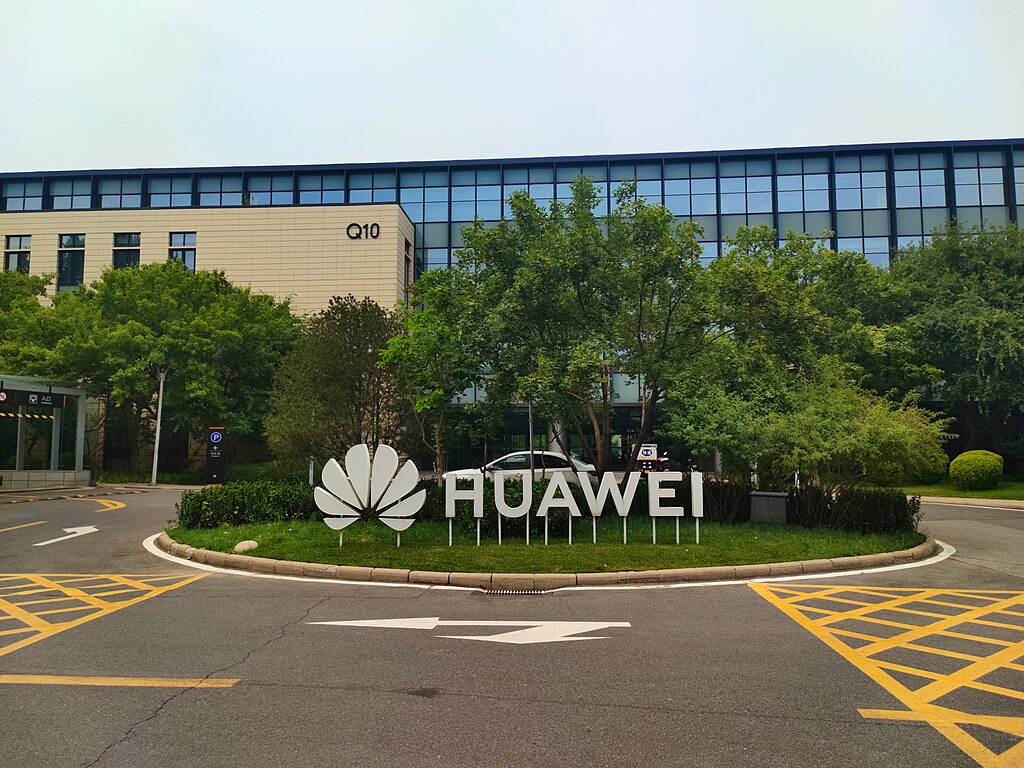
Taiwan has placed Chinese tech giants Huawei Technologies and Semiconductor Manufacturing International Corp (SMIC) on its strategic high-tech commodities export control list. This move, announced via the economy ministry’s updated trade administration website, means Taiwanese firms must now obtain government approval before exporting products to either company. The list also includes groups such as the Taliban and al Qaeda.
Taiwan, home to global chip leader TSMC, already enforces strict export rules targeting Chinese firms amid growing concerns over technology transfer and national security. TSMC, a key supplier to companies like Nvidia (NASDAQ:NVDA), plays a central role in the global semiconductor supply chain. Both Huawei and SMIC have been accelerating efforts to close the technology gap with top-tier chipmakers, particularly in AI and advanced processing.
Huawei, central to China’s AI ambitions, remains blacklisted by the U.S. Commerce Department, preventing it from receiving American-made technologies and chips built using U.S. tools, including those from TSMC. A 2024 teardown of Huawei’s 910B AI processor by TechInsights revealed a TSMC-manufactured chip inside, raising compliance concerns. As a result, TSMC halted shipments to Chinese chip designer Sophgo, whose product resembled the one in the Huawei chip, following orders from the U.S. government.
Taiwan has repeatedly accused Chinese firms of attempting to steal semiconductor technologies and poach skilled engineers. The addition of SMIC to the export list underscores these concerns, as the company continues to boost domestic production to counter Western sanctions. Both SMIC and Huawei have yet to comment on their inclusion in Taiwan’s restricted entity list.
This development intensifies the already complex U.S.-China tech rivalry, with Taiwan caught in the crossfire as a critical node in the global chip ecosystem.







