


 Cathie Wood Backs AI Slowdown as Safety Concerns Grow
  NASA, Boeing Discuss Expanding Starliner Missions
  AI is supercharging money scams – here’s what you can do to protect yourself
  Databricks to Invest $350 Million in Singapore AI Expansion
  Meta Partners With Shopify to Bring Shop Pay Checkout to Muse AI
  Nvidia CEO Jensen Huang Expected at Trump-Xi State Dinner
  Meta CEO Zuckerberg Backs Independent AI Safety Reviews Over Development Slowdown
  Westinghouse Targets $50 Billion Valuation in U.S. IPO
  Who should own the knowledge that underpins AI technology?
  SoftBank Launches $11 Billion Bond Sale to Fund OpenAI Investment
  Hyundai CEO Warns Chinese Automakers Could Disrupt US Market
  Big AI wants to slow down AI research. Is it a safety pause or a strategic retreat?
  Scott Bessent Eyed as Trump’s New AI Czar
  SpaceX Nasdaq 100 Weight to More Than Double in Rebalance
  Burnham Eyes UK Leadership Role in AI Ahead of Trump Meeting
  SK Hynix, Intel Discuss U.S. Memory Chip Production Deal
  US Federal Register Drops Alibaba Qwen AI Search Tool


 Add as a preferred source on Google
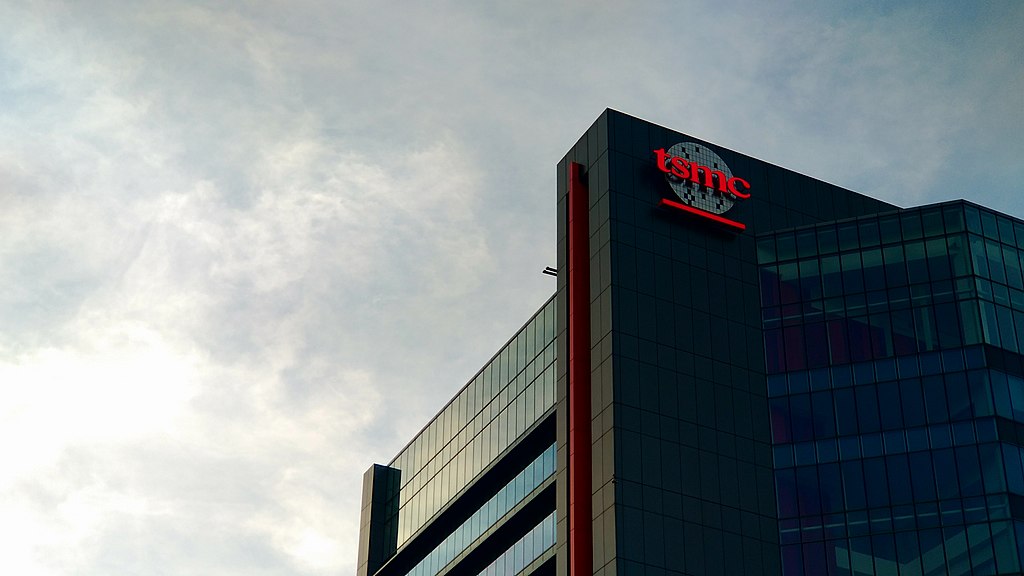
Taiwanese semiconductor manufacturer TSMC has apparently encountered a stumbling block in the Arizona facility's 3nm development, potentially delaying completion until 2027.
TSMC Sees Delay in 3nm Fab in Arizona
The move of cutting-edge facilities to the United States has not gone well for TSMC, as the company has encountered difficulties ranging from social concerns among the workers to a lack of collaboration from governments.
However, the difficulties have escalated to the point that it is now being stated that the Arizona plant, notably the Fab 21, would face yet another delay in the form of using methods, and TSMC is unsure about the future.
In a conference call with analysts, TSMC Chairman Mark Liu reported the status of Fab 21 phase 2 development, noting that the facility's development is dependent on the US Government's level of cooperation in the form of subsidies and the provision of essential resources. Here's what the chairman said:
“Yes. The second fab shale is under construction. But what technology in that shell is still in under discussion. I think that also has to do with how much incentives that fab, the U. S. Government can provide. And yes, there will be a gap. At least, current planning is '27 or '28, that will be time frame.
To be honest, most of the fab in overseas, what actually be loaded, what technology is being set up, really, it's a decision of customers' demand in that area at that timing. So, nothing is definitive, but we are trying to optimize value for the overseas fab for TSMC.”
Adjusting Strategies for 3nm Manufacturing and Regional Demands
So, according to the aforementioned statement, TSMC hopes to begin 3nm manufacturing at the fab in 2027 or 2028, a more than a year delay. It is crucial to note that the Arizona plant has already been subject to several delays, with mass production being postponed to 2025 due to a shortage of a "skilled workforce."
By the new timescale set by TSMC, it is clear that companies like Apple, who formerly relied on the Taiwanese behemoth for their goods, would have to react appropriately, sourcing cutting-edge techniques straight from the United States, as per WCCFTech.
Another intriguing comment by Mark Liu is the "optimization" of facilities, which implies creating them in a way that meets regional needs. However, if commercial production of the firm's 3nm process begins by 2027, it is unclear if the node will be important at that time, but TSMC may have figured this out, and because the US plant is such a huge deal for tech businesses in general, it will not be left behind.
Photo: Briáxis F. Mendes (孟必思), CC BY-SA 4.0, via Wikimedia Commons








