


 Trump, Xi Visit US National Archives After White House Summit
  Pezeshkian Says US Must Choose When Iran War Ends
  Ukrainian Drone Attacks Hit Russian Regions, Injuring at Least 12
  What ‘Taiwan Independence’ Means as Xi Presses Trump on US Policy
  EU Defence Build-Up Too Slow for 2030 Russia Readiness Goal
  Abbas Reaffirms November 28 Palestinian Elections
  Taiwan Thanks US for Support Ahead of Trump-Xi Summit
  Najib Razak Seeks Stay of 15-Year 1MDB Prison Sentence
  Ghana Says Western Support Growing for Slave Trade Reparations
  Trump Asks Supreme Court to Restore Third-Country Deportations
  Russian Missile and Drone Attack on Kyiv Kills Two, Damages Maternity Hospital
  Netanyahu’s Brief US Trip Highlights Strains With Trump
  North Korea Rejects Nuclear Test Warning, Calls Nuclear Status Irreversible
  US Senate Rejects Iran War Powers Resolution in 50-49 Vote
  Netanyahu Takes Aim at Mamdani as Israel Election Nears
  North Korea Warns South Korea Over US-Led Defense Role
  US Backs Musk in Fight Against EU’s €120 Million X Fine


 Add as a preferred source on Google
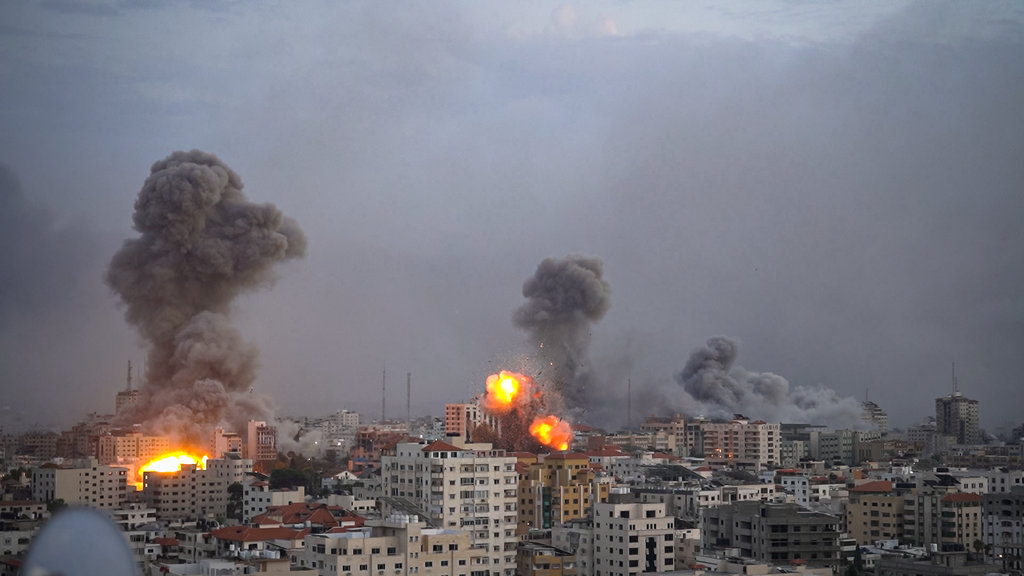
Syria’s deployment of troops to the southern province of Sweida triggered Israeli airstrikes this week, following a major miscalculation by Damascus. Believing it had tacit approval from both the U.S. and Israel, Syrian forces entered the Druze-majority area to quell clashes between Bedouin tribes and Druze militias. Sources, including diplomats and Syrian officials, told Reuters that Syria interpreted U.S. envoy Thomas Barrack’s public support for a unified Syrian state as a green light. However, the move backfired, with Israel striking military targets in Damascus and Sweida, citing its long-standing commitment to protect the Druze and uphold the demilitarized zone.
The misunderstanding reportedly stemmed from Syria's misreading of U.S. silence and recent security discussions with Israel, including in Baku. Syrian troops allegedly committed field executions and abuses against Druze civilians, prompting immediate Israeli retaliation. Prime Minister Netanyahu said Israel’s actions aimed to block Syrian forces and prevent a broader conflict. U.S. Secretary of State Marco Rubio later described the escalation as a "misunderstanding."
Damascus denied its decision was influenced by outside actors, stating its goal was to prevent civil war and protect civilians. However, analysts argue that Syrian President Ahmed al-Sharaa overplayed his hand, overestimating foreign support and control over his own fragmented military forces.
Human rights monitors report over 320 deaths, including women and children. Despite the violence, the U.S. clarified it did not back Israel’s strikes. Tensions remain high, with both Syria and Israel temporarily agreeing to limited Syrian troop access in Sweida. As mistrust deepens among Syria’s minority groups, regional officials warn the country risks further fragmentation unless diplomatic clarity and internal stability are restored.







