


 Taiwan Vows to Advance US Arms Sales Ahead of Trump-Xi Meeting
  Trump Meets Venezuela’s Delcy Rodriguez at UN Assembly
  Trump Says ‘Freedom’ Is Coming to Cuba
  Yen Weakens as Dollar Gains on Widening US-Japan Rate Gap
  Lula Meets Mamdani in New York as Elections Approach
  South Korea to Brief Lawmakers on $350 Billion US Investment Package
  Oil Prices Tumble on U.S.-Iran Diplomacy Hopes, Supply Relief
  Vietnam, US Trade Deal Could Be Signed Soon, To Lam Says
  Vietnam Stocks Join FTSE Emerging Market Indexes, Unlocking Billions in Foreign Investment
  Gold Prices Slip as Strong Dollar and Hawkish Fed Pressure Bullion
  Trump Administration Prepares Sanctions Against Entire ICC
  Iran Vows ‘Crushing’ Response as US Talks Continue
  Carney Condemns Belleville Synagogue Shooting That Wounded Police Officer
  Asian Stocks Mixed Ahead of Trump-Xi Meeting
  Oil Prices Rise as U.S.-Iran Talks Fuel Diplomacy Hopes
  Zelenskiy Meets CIA Chief John Ratcliffe at Ireland’s Shannon Airport
  Asia Stocks Rise on AI Demand as Oil Eases


 Add as a preferred source on Google
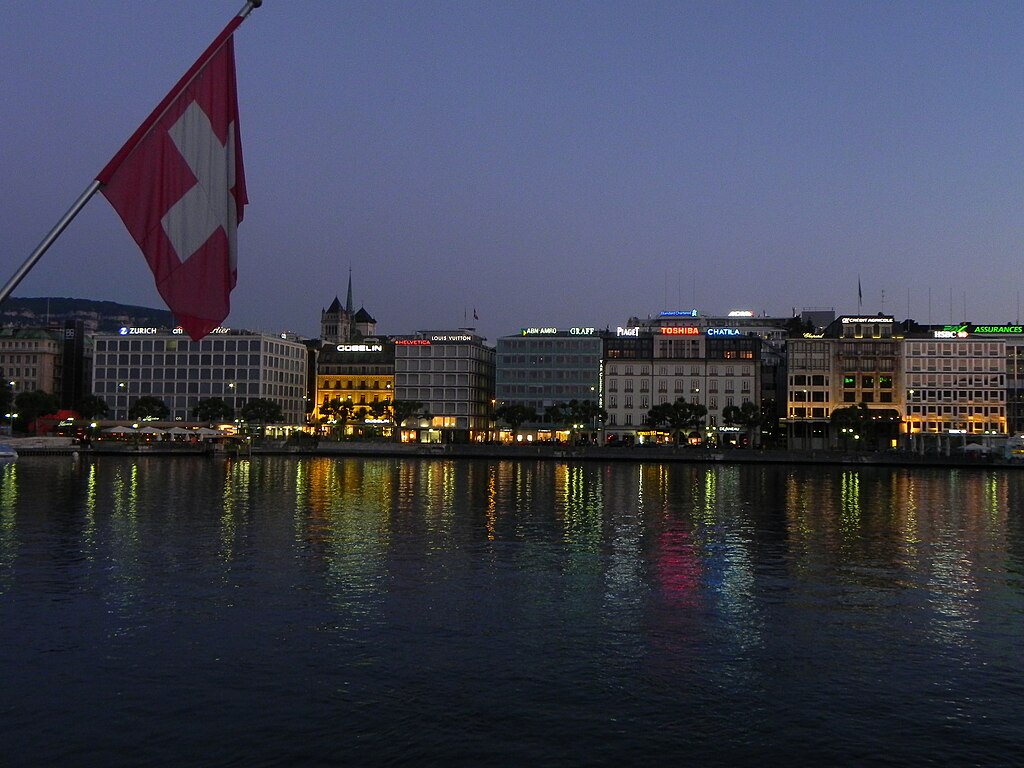
Switzerland will vote on June 14, 2026, in a closely watched referendum that could cap the country’s population at 10 million people. The proposal, backed by the right-wing Swiss People’s Party (SVP), has drawn comparisons to Brexit due to its potential impact on immigration, labor markets, and Switzerland’s relationship with the European Union.
Supporters argue that rapid population growth is placing increasing pressure on housing, transportation networks, public services, and infrastructure. Switzerland’s population reached 9.1 million by the end of 2025, up from 7.3 million in 2002 when free movement agreements with the EU took effect. Foreign nationals now account for nearly 28% of the population.
Opponents, including major Swiss businesses, warn that the population cap could harm the economy by restricting access to skilled foreign workers. Companies in sectors such as hospitality, biotechnology, finance, and pharmaceuticals rely heavily on international talent. Hotel operators, biotech firms, and multinational corporations including Roche, Nestlé, ABB, UBS, and Novartis have publicly opposed the proposal.
Under the initiative, the Swiss government would be required to take action once the population exceeds 9.5 million, a threshold expected to be reached by 2031. If the population reaches 10 million, Switzerland would need to terminate international agreements that contribute to population growth, including its free movement accord with the European Union.
Economists warn that ending these agreements could weaken Switzerland’s access to the EU single market and significantly reduce long-term economic growth. Research from BAK Economics estimates that Swiss economic growth between 2028 and 2045 could be 7.1% lower if bilateral agreements with the EU are abandoned.
SVP lawmakers reject these concerns, arguing that immigration should be more selective and controlled. They claim the current system prioritizes quantity over quality and contributes to overcrowding in a country with limited land resources.
With recent polling showing a narrow divide between supporters and opponents, the referendum has become one of Switzerland’s most significant political and economic debates of 2026, with potential consequences for immigration policy, labor shortages, business competitiveness, and future relations with the European Union.







