


 US Senate Rejects Iran War Powers Resolution in 50-49 Vote
  Pezeshkian Says US Must Choose When Iran War Ends
  DOJ Will Investigate AI-Related Crimes, Attorney General Blanche Says
  Maduro Seeks Dismissal of US Drug Trafficking Charges
  What ‘Taiwan Independence’ Means as Xi Presses Trump on US Policy
  China Tightens Fentanyl Rules Ahead of Trump-Xi Summit
  US Backs Musk in Fight Against EU’s €120 Million X Fine
  Ukrainian Drone Attacks Hit Russian Regions, Injuring at Least 12
  Saudi Arabia, Turkey and Pakistan Plan Urgent Defence Talks Over Houthi Attacks
  Trump Asks Supreme Court to Restore Third-Country Deportations
  Judge Orders Trump to Restore White House Access for CNN, MS NOW and Politico
  US Court Approves airBaltic Chapter 11 Restructuring
  Netanyahu Defends Israel at UN as Delegates Stage Walkout
  North Korea Rejects Nuclear Test Warning, Calls Nuclear Status Irreversible
  Mexico-US Trade Talks Delayed to October as Tariff Negotiations Continue
  White House Bars CNN, MS NOW and Politico Reporters
  Amazon Shares Fall as FTC Plans Ad Pricing Lawsuit


 Add as a preferred source on Google
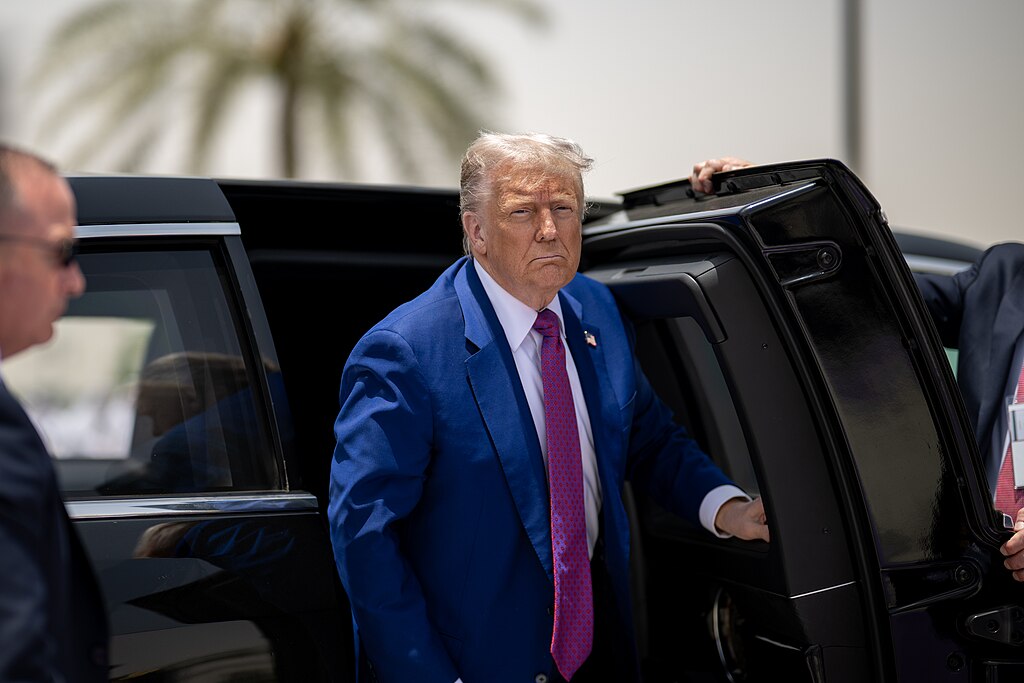
The U.S. Supreme Court is preparing to take up a major separation-of-powers case examining whether former President Donald Trump acted lawfully when he attempted to fire Federal Trade Commission (FTC) Commissioner Rebecca Slaughter before the end of her term. The outcome could redefine presidential authority and potentially dismantle a 90-year-old legal precedent that has long protected leaders of independent federal agencies from removal without cause.
The Justice Department is appealing lower court rulings that blocked Trump’s removal of Slaughter, a Democratic commissioner whose term runs until 2029. Those courts relied on Humphrey’s Executor v. United States, a 1935 Supreme Court decision holding that presidents cannot dismiss FTC commissioners for political reasons. Congress reinforced this limitation through a 1914 statute allowing removal only for cause, such as inefficiency or misconduct. Similar protections apply across more than two dozen independent agencies, including the National Labor Relations Board and the Merit Systems Protection Board.
Trump’s legal team argues that the FTC now wields significant executive power, and under the “unitary executive” theory, the president must have unrestricted authority to fire agency leaders. Slaughter’s lawyers acknowledge the agency’s expanded reach but maintain that longstanding precedent supports these tenure protections regardless of the FTC’s regulatory role.
The Supreme Court, which allowed Trump’s firing of Slaughter to take effect while the case proceeds, will now decide whether to limit or overturn Humphrey’s Executor. A ruling against Slaughter could give presidents broad power to remake independent agencies, reshaping federal oversight of antitrust, consumer protection, labor disputes, and more. The decision may also address whether courts have the authority to block unlawful removals of executive officials.
The Court is expected to issue a ruling by late June. In a related challenge to presidential power, justices will also hear arguments in January on Trump’s unprecedented effort to remove Federal Reserve Governor Lisa Cook, raising further questions about the independence of federal institutions.







