


 US Resumes Immigrant Visa Processing for Hungary, Poland
  Westinghouse Targets $50 Billion Valuation in U.S. IPO
  Who should own the knowledge that underpins AI technology?
  Trump Scales Back Endangered Species Act Protections
  Canada Unveils Bill to Fast-Track Major Resource Projects
  Paramount-Warner Bros $110 Billion Deal Draws Antitrust Backlash
  FDA Weighs Safety Standards for Psychedelic Therapies
  FAA Allows Boeing to Sell 35 More 777F Freighters Beyond 2028
  SpaceX Nasdaq 100 Weight to More Than Double in Rebalance
  DOJ Will Investigate AI-Related Crimes, Attorney General Blanche Says
  Trump Bans CNN, MS NOW and Politico From White House
  Hyundai CEO Warns Chinese Automakers Could Disrupt US Market
  Telix to Acquire Germany’s ITM in $1.65 Billion Radiopharma Deal
  Meta Partners With Shopify to Bring Shop Pay Checkout to Muse AI
  US Bans Canadian Alcohol, Motorcycles as Trade War Escalates
  Prysmian, Rio Tinto Supply Low-Carbon Cables for Amazon Ohio Data Center


 Add as a preferred source on Google
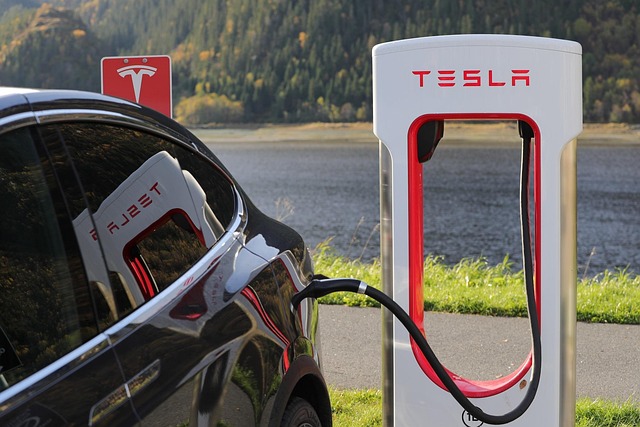
Tesla has announced a short delay in its Full Self-Driving (Supervised) approval process in Europe, with the Netherlands vehicle authority RDW now expected to deliver its decision by April 10, 2026 — roughly three weeks later than the original March 20 target. Despite the postponement, the update signals meaningful progress toward bringing Tesla's autonomous driving technology to European roads.
The electric vehicle giant confirmed that all required documentation has been submitted to RDW, including UN R-171 compliance materials and Article 39 exemption requests. The authority is currently conducting its internal review. Tesla Europe expressed confidence in the outcome, noting it looks forward to sharing FSD with European customers following approval next month.
The approval process has been extensive. Over the past 18 months, Tesla logged more than 1.6 million kilometers of FSD testing across EU roads, completed over 13,000 customer ride-alongs, and executed more than 4,500 track test scenarios. The regulatory submission spans thousands of documentation pages covering over 400 compliance requirements and includes dozens of independent safety studies.
RDW's decision carries significant weight beyond the Netherlands. Under EU regulations, other member states can recognize a national approval, paving the way for potential EU-wide availability as early as summer 2026. Barclays analyst Dan Levy called the development a positive for Tesla stock, noting that European regulations have historically constrained FSD deployment.
The news arrives as Tesla faces increased scrutiny from U.S. regulators. The National Highway Traffic Safety Administration expanded its probe into 3.2 million FSD-equipped vehicles over poor visibility concerns, though a separate investigation into pedal misapplication claims was simultaneously closed with no safety defects found.
Tesla shares dipped slightly to $376.52 on Friday. With the April 10 deadline approaching, investors and EV enthusiasts alike are watching closely for what could be Tesla's first FSD authorization outside the United States.







