


 Saudi Arabia Shuts East-West Oil Pipeline After Drone Attack
  FDA Names Permanent Drug and Biologics Center Chiefs
  Ghana Says Western Support Growing for Slave Trade Reparations
  Sudan Rejects US Legitimacy Remarks, Defends Sovereignty
  Netanyahu Takes Aim at Mamdani as Israel Election Nears
  Netanyahu’s Brief US Trip Highlights Strains With Trump
  Russian Envoy Dmitriev Heads to US for Ukraine Talks
  Abbas Reaffirms November 28 Palestinian Elections
  NATO Boosts Intelligence Sharing Amid Russia Hybrid Threats
  Mexico-US Trade Talks Delayed to October as Tariff Negotiations Continue
  Judge Blocks Trump Rule Limiting Foreign Student Visas
  Kremlin Says No Decision Yet on Putin-Trump December Summit
  US, China Extend Trade Truce to Jan. 10 Ahead of Trump-Xi Summit
  Gaza Faces Evacuation Crisis as War-Damaged Buildings Risk Collapse
  North Korea Warns South Korea Over US-Led Defense Role
  US Judge Dismisses Imran Ahmed Deportation Lawsuit
  Synthetic data could ease people’s concerns about privacy breaches. But who gets to create it?


 Add as a preferred source on Google
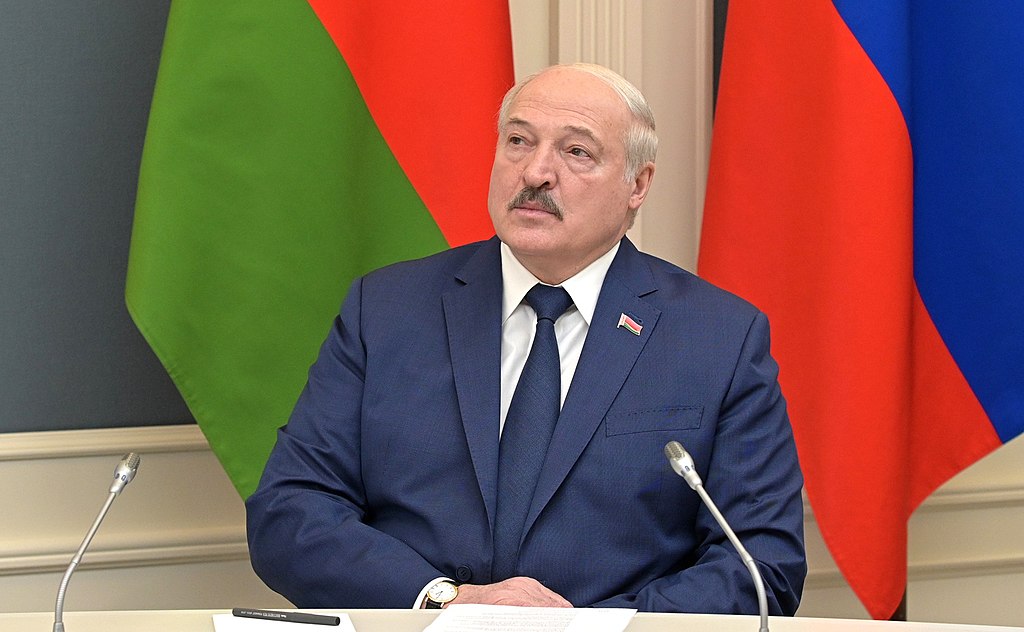
Belarusian President Alexander Lukashenko released 250 political prisoners on Thursday — the largest single batch of releases to date — as part of an ongoing negotiations with the United States aimed at easing long-standing sanctions against the country.
The prisoner releases are part of a broader diplomatic effort in which Lukashenko is working toward normalized relations with Washington following years of international isolation stemming from widespread human rights violations. According to Belarusian human rights organization Viasna, over 1,100 political prisoners remain detained in the country.
Among those freed was Marfa Rabkova, a Viasna volunteer network coordinator who was arrested in 2020 and sentenced to nearly 15 years on "extremism" charges she denied. Supporters have raised serious concerns about her health while in detention. Other released individuals included bloggers, journalists, activists, and protesters.
John Coale, an envoy representing U.S. President Donald Trump, met with Lukashenko in Minsk and told Reuters he anticipates all remaining political prisoners will be freed before year's end. Should that happen, the U.S. has pledged to lift all sanctions imposed following Belarus's violent crackdown on protesters in 2020. In a significant concession, Washington also agreed to remove sanctions on two Belarusian banks and the country's finance ministry, while emphasizing these measures must not be used to circumvent restrictions related to Russia's ongoing war in Ukraine.
Coale also indicated that Lukashenko may visit the United States soon — a development that would mark a dramatic diplomatic shift for a leader long regarded as an international pariah. Despite being a close ally of Russian President Vladimir Putin and supporting the invasion of Ukraine, Lukashenko has reportedly offered useful insights toward ending the conflict.
Exiled opposition leader Sviatlana Tsikhanouskaya welcomed the releases but stressed that efforts must continue until every political prisoner is freed and all repression has ended in Belarus.







