


 Trump, Xi Visit US National Archives After White House Summit
  Russian Missile and Drone Attack on Kyiv Kills Two, Damages Maternity Hospital
  EU Defence Build-Up Too Slow for 2030 Russia Readiness Goal
  Abbas Reaffirms November 28 Palestinian Elections
  Mexico-US Trade Talks Delayed to October as Tariff Negotiations Continue
  US Senate Rejects Iran War Powers Resolution in 50-49 Vote
  Sudan Rejects US Legitimacy Remarks, Defends Sovereignty
  North Korea Warns South Korea Over US-Led Defense Role
  Pezeshkian Says US Must Choose When Iran War Ends
  US Backs Musk in Fight Against EU’s €120 Million X Fine
  Trump, Xi Focus on Trade and AI at White House Summit
  Netanyahu’s Brief US Trip Highlights Strains With Trump
  Xi Calls for Deeper U.S.-China AI Cooperation in Trump Talks
  Netanyahu Takes Aim at Mamdani as Israel Election Nears
  NATO Boosts Intelligence Sharing Amid Russia Hybrid Threats
  Taiwan Thanks US for Support Ahead of Trump-Xi Summit
  Kremlin Says No Decision Yet on Putin-Trump December Summit


 Add as a preferred source on Google
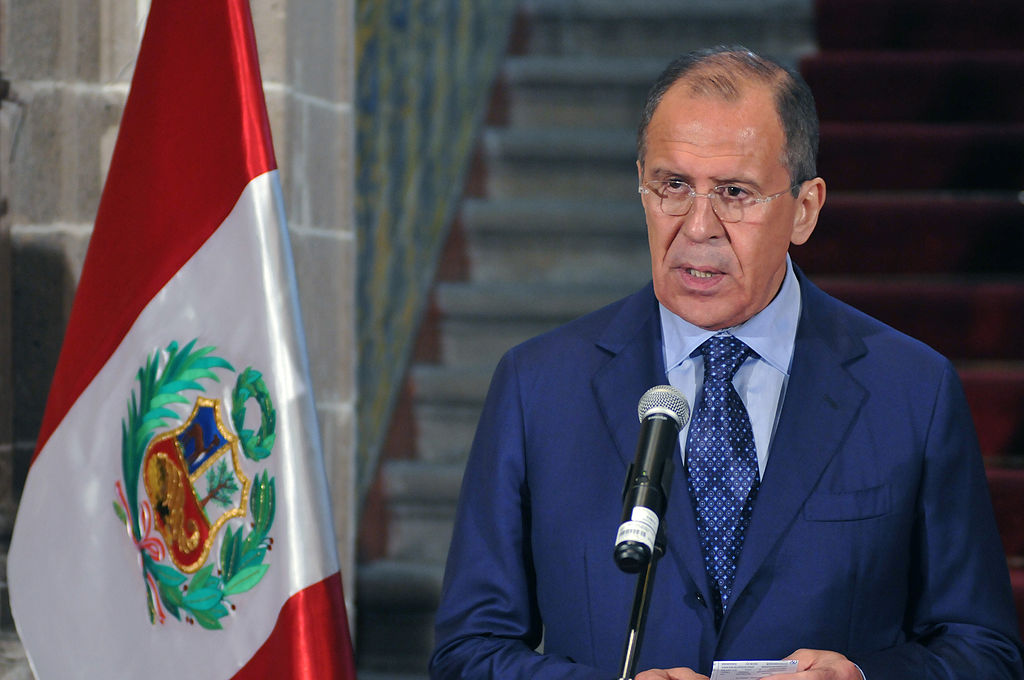
Russian Foreign Minister Sergei Lavrov has warned that any new U.S. strike on Iran would trigger serious consequences and further destabilize the Middle East. In an interview aired by Saudi Arabia’s Al-Arabiya television and later published on the Russian Foreign Ministry’s website, Lavrov urged restraint and emphasized the need for a diplomatic solution to safeguard Iran’s peaceful nuclear programme.
His remarks came shortly after U.S. and Iranian negotiators held indirect talks in Geneva aimed at preventing a deepening crisis between Washington and Tehran. Lavrov noted that previous strikes on Iranian nuclear facilities, which are monitored by the International Atomic Energy Agency (IAEA), had already created significant risks. According to him, such actions raised the possibility of a nuclear incident, escalating tensions across the region.
Lavrov stressed that Middle Eastern nations, including Arab countries and Gulf monarchies, are closely watching developments. He said regional powers have clearly signaled their opposition to further escalation, warning that increasing tensions would amount to “playing with fire.” He added that renewed conflict could reverse recent diplomatic progress, particularly the improvement in relations between Iran and neighboring states such as Saudi Arabia.
Meanwhile, a senior U.S. official told Reuters that Iran is expected to submit a written proposal outlining steps to resolve its ongoing standoff with the United States following the Geneva discussions. U.S. national security advisers reportedly met at the White House and were informed that American military forces deployed to the region should be fully positioned by mid-March.
The United States continues to demand that Iran abandon its nuclear programme, alleging concerns about potential nuclear weapons development. Tehran has consistently denied seeking an atomic weapon and insists its nuclear activities are for peaceful purposes only.
Lavrov reaffirmed that Russia maintains close contact with Iranian leadership and believes Iran intends to resolve the dispute within the framework of the Nuclear Non-Proliferation Treaty (NPT), supporting a diplomatic path forward over military confrontation.







