


 Maduro Seeks Dismissal of US Drug Trafficking Charges
  OpenAI Rejects Apple Trade Secret Theft Claims
  Paramount-Warner Bros $110 Billion Deal Draws Antitrust Backlash
  Najib Razak Granted House Arrest Until 2028
  Marco Rubio to Meet Russia’s Lavrov in New York
  Honduras Court Drops Charges Against Ex-President Juan Orlando Hernandez
  Russian Strikes Kill Eight Across Ukraine as Energy Sites Hit
  US, Denmark and Greenland Set to Sign Arctic Security Deal
  Zelenskiy Warns Russia Preparing Major Attack on Ukraine
  UK, Mauritius Seek Diego Garcia Base Deal
  Trump Says ‘Freedom’ Is Coming to Cuba
  Trump Meets Venezuela’s Delcy Rodriguez at UN Assembly
  Kremlin Says No Grounds Yet for Ukraine Peace Talks
  Judge Rejects Minnesota Bid to Force ICE Agent Extradition
  Trump Scales Back Endangered Species Act Protections
  Ecuador Court Convicts Ex-President Lenin Moreno in Bribery Case
  Brazil Court Suspends Sigma Lithium Mine Operations


 Add as a preferred source on Google
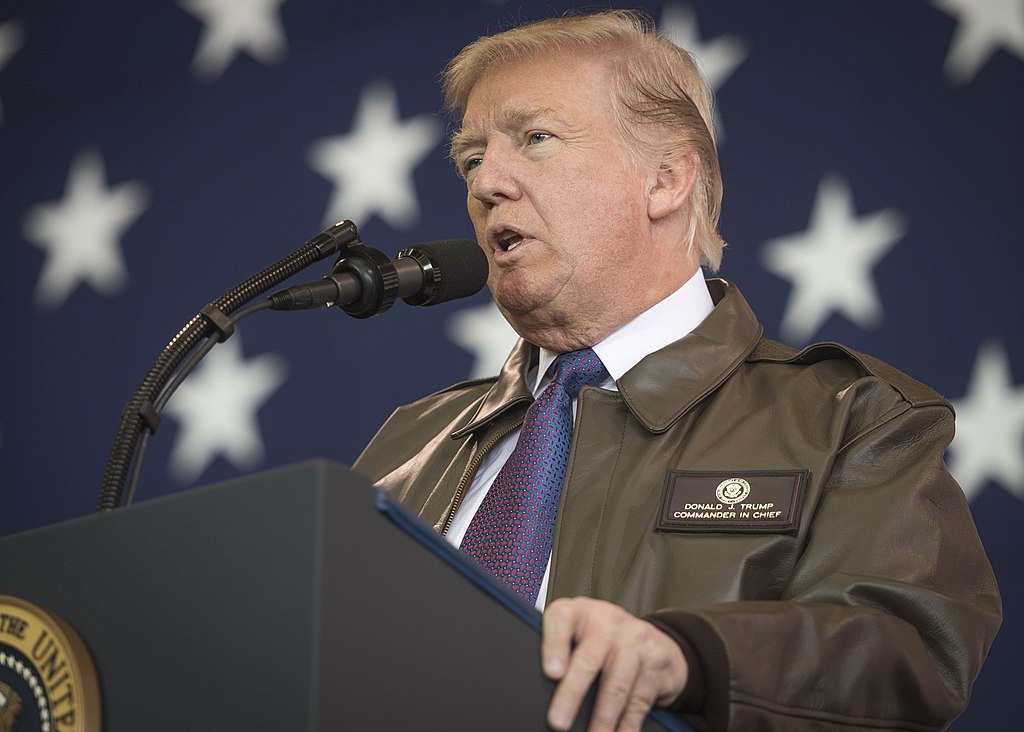
Former President Donald Trump’s unexpected legal intervention in the upcoming U.S. Supreme Court case regarding TikTok has sent shockwaves through political and legal circles. With a ban on the Chinese-owned platform looming on January 19, Trump’s legal brief—replete with self-aggrandizing rhetoric—has ignited fresh debates about the role of the judiciary and executive influence.
Trump’s TikTok Defense: A Self-Promotion or a Legal Argument?
In a legal filing submitted last week, Trump’s attorneys presented an unusual argument emphasizing his unparalleled social media presence. The brief declared, “President Trump is one of the most powerful, prolific, and influential users of social media in history,” highlighting his 14.7 million TikTok followers. It framed TikTok as a critical platform for “freedom of expression, including core political speech,” and credited Trump’s adept use of the app for his success in connecting with voters during the recent election campaign.
Legal analysts, however, have questioned the merit of such a filing. Joyce Vance, a former federal prosecutor, criticized the brief for prioritizing Trump’s self-image over the central legal issues. “This isn’t about the law or the facts,” Vance wrote, adding that Trump’s filing seemed more like a personal branding exercise than a substantive argument.
Supreme Court’s Response and Implications for TikTok’s Future
The Supreme Court’s decision on whether to uphold the TikTok ban has broader implications for freedom of speech and international business relations. The case hinges on whether U.S.-based platforms can continue to host TikTok amid security concerns. Critics argue that the ban undermines freedom of expression, while proponents cite potential national security risks.
Trump’s involvement has added another layer of complexity. Represented by John Sauer, his nominee for Solicitor General, Trump’s brief suggests an eagerness to negotiate a resolution outside the courtroom. Vance speculated that Trump’s filing carries an undertone of “kleptocracy,” hinting at ulterior motives that may not align with the broader public interest.
Netizens React: Outrage and Speculation Ignite Social Media
The filing has triggered mixed reactions on social media, with netizens weighing in on Trump’s motives and the case’s potential outcomes.
- @PoliticalWatchdog tweeted, “Trump defending TikTok? Sounds like someone’s trying to stay relevant in the Gen Z demographic.”
- @JusticeMatters wrote, “It’s not about free speech; it’s about free publicity. The Supreme Court should see right through this.”
- @FreeSpeechAdvocate countered, “Agree or not, TikTok is a tool for communication. Banning it feels like a step backward.”
- @LegalEagleUSA added, “Trump’s argument is less about the law and more about stroking his ego. SCOTUS should focus on facts.”
- @TechSavvyCitizen remarked, “This case is a smokescreen. The real issue is how we balance security and freedom in the digital age.”
- @PopCultureGuru quipped, “Trump on TikTok? What’s next, dance challenges in court? The drama never ends!”
What Lies Ahead for TikTok and Its Users?
As the January 19 deadline approaches, the Supreme Court’s ruling will set a significant precedent for regulating social media platforms. Trump’s filing, though controversial, underscores the intersection of politics, law, and technology in today’s digital landscape. Whether the justices will entertain Trump’s arguments remains uncertain, but their decision will undoubtedly shape the future of TikTok and similar platforms in the United States.







