


 Trump's Iran War Speech Sparks Market Anxiety Over Extended Conflict
  Elon Musk Ties SpaceX IPO Access to Mandatory Grok AI Subscriptions
  Microsoft Eyes $7B Texas Energy Deal to Power AI Data Centers
  U.S. Job Market Braces for Slow Recovery Amid Middle East Tensions and Economic Uncertainty
  Gulf War Ceasefire Hopes Weigh on Dollar Ahead of Trump Address
  Morgan Stanley: Fed Rate Cuts Still on Track Despite Oil-Driven Inflation
  Bank of Japan Eyes Further Rate Hikes Amid Middle East Tensions and Inflation Pressures
  Trump Threatens Escalation Against Iran, Warns of Infrastructure Strikes
  Trump's FY2027 Budget: Major Defense Boost and Domestic Spending Cuts
  Asian Currencies Weaken as Dollar Rebounds Amid Middle East Escalation
  Rubio Directs U.S. Diplomats to Use X and Military Psyops to Counter Foreign Propaganda
  Nike Beats Q3 Estimates but China Weakness and Margin Pressure Weigh on Outlook
  Makemation: a Nollywood movie that shows AI in action in Africa
  TSMC Japan's Second Fab to Produce 3nm Chips by 2028
  Chinese Universities with PLA Ties Found Purchasing Restricted U.S. AI Chips Through Super Micro Servers
  Cybersecurity Stocks Tumble After Anthropic's Claude Mythos AI Leak Sparks Market Fears
  Oil Prices Surge Over $5 as Trump Vows to Continue Iran Strikes


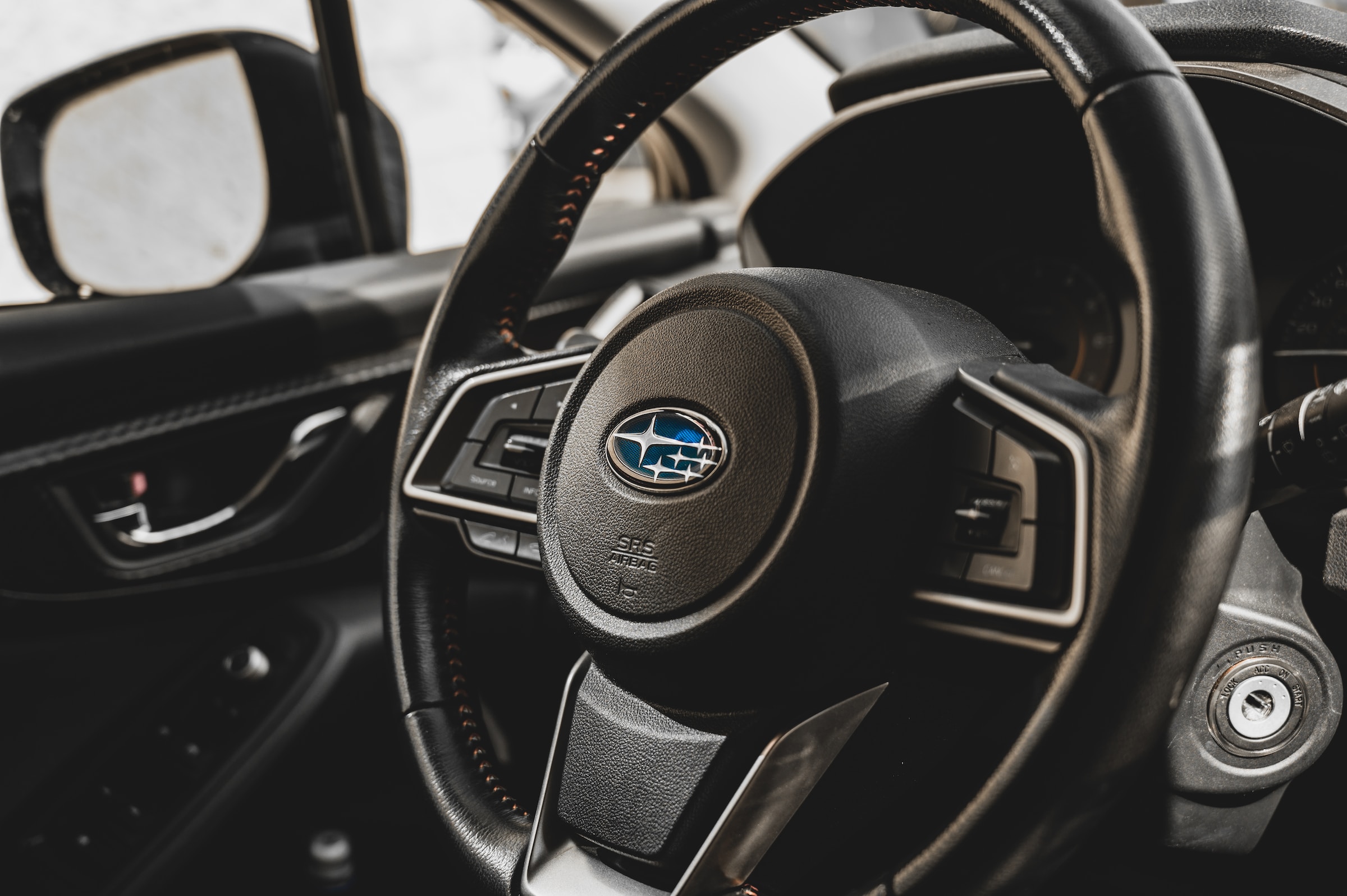
Panasonic's battery manufacturing arm is reportedly set to supply Subaru with electric vehicle (EV) batteries, strengthening Panasonic's position in Japan's burgeoning EV sector. The partnership, intended to enhance Panasonic's customer network, coincides with an announcement about the company's first-quarter earnings.
With automotive batteries as a priority investment, Panasonic's group company plans to establish a new production facility in North America to expand its EV battery capacity. Panasonic recently agreed to provide Mazda Motor Corp with batteries for its EV models set to launch in the latter half of the 2020s.
As a prominent battery supplier for Tesla Inc, Panasonic Energy faces increasing competition from global rivals such as LG Corp and Contemporary Amperex Technology Co (CATL) from China. Notably, Panasonic's cylindrical lithium-ion batteries are gaining recognition for their remarkable fast-charging performance, aligning with the rising demand for EVs in the pursuit of reducing global carbon dioxide emissions.
Panasonic aims to bolster its global market share as Chinese and South Korean competitors strengthen their presence. While no source was provided, there is a possibility that Subaru may adopt 4680 batteries, the latest cells championed by Tesla's CEO, Elon Musk. Panasonic's energy unit is exploring plans to ramp up production for these advanced batteries.
Panasonic and Subaru are set to disclose their first-quarter earnings results, with Panasonic reporting on Monday and Subaru on Wednesday. While Panasonic is evaluating various growth strategies for its automotive business, Subaru, which heavily relies on the North American market, refrained from offering any comments.
Additionally, it is worth mentioning that Panasonic's energy unit and Mazda Motor announced in June their intentions to initiate discussions for establishing a battery supply partnership targeting EVs. Subaru has its sights set on achieving global sales of 200,000 battery-powered vehicles per year by around 2026 to tap into the expanding EV market.
Photo: Ryunosuke Kikuno/Unsplash







