


 Australia Unemployment Hits Five-Year High Despite Strong Jobs Growth
  Mexico-US Trade Talks Delayed to October as Tariff Negotiations Continue
  U.S. 10-Year Treasury Yield Hits 2007 High as Fed Rate Hike Bets Rise
  Japanese Bank Stocks Surge as Bond Yields Fuel Rate Hike Bets
  US, China Extend Trade Truce to Jan. 10 Ahead of Trump-Xi Summit
  Wall Street Ends Flat as Oil, Treasury Yields and Fed Jitters Rattle Markets
  European Stocks Fall as Bond Yields and Geopolitical Risks Weigh
  RBI Uses $10 Billion Currency Swaps to Drain Excess Rupee Liquidity
  Gold Holds Near $4,275 as Rising Treasury Yields Fuel Fed Rate Hike Bets
  Dollar Holds Near Two-Month High as Yen Approaches 160
  Japan Private-Sector Growth Slows as Domestic Demand Weakens
  Oil Prices Surge as U.S.-Iran Diplomacy Hopes Fade
  South Korea, US Discuss Warship Building Cooperation
  US 10-Year Treasury Yield at 6% Emerges as New Market Risk Threshold
  U.S. Dollar Hits Two-Month High as Oil, Treasury Yields Surge
  Asian Stocks Fall as Bond Yields Surge Ahead of Trump-Xi Summit


 Add as a preferred source on Google
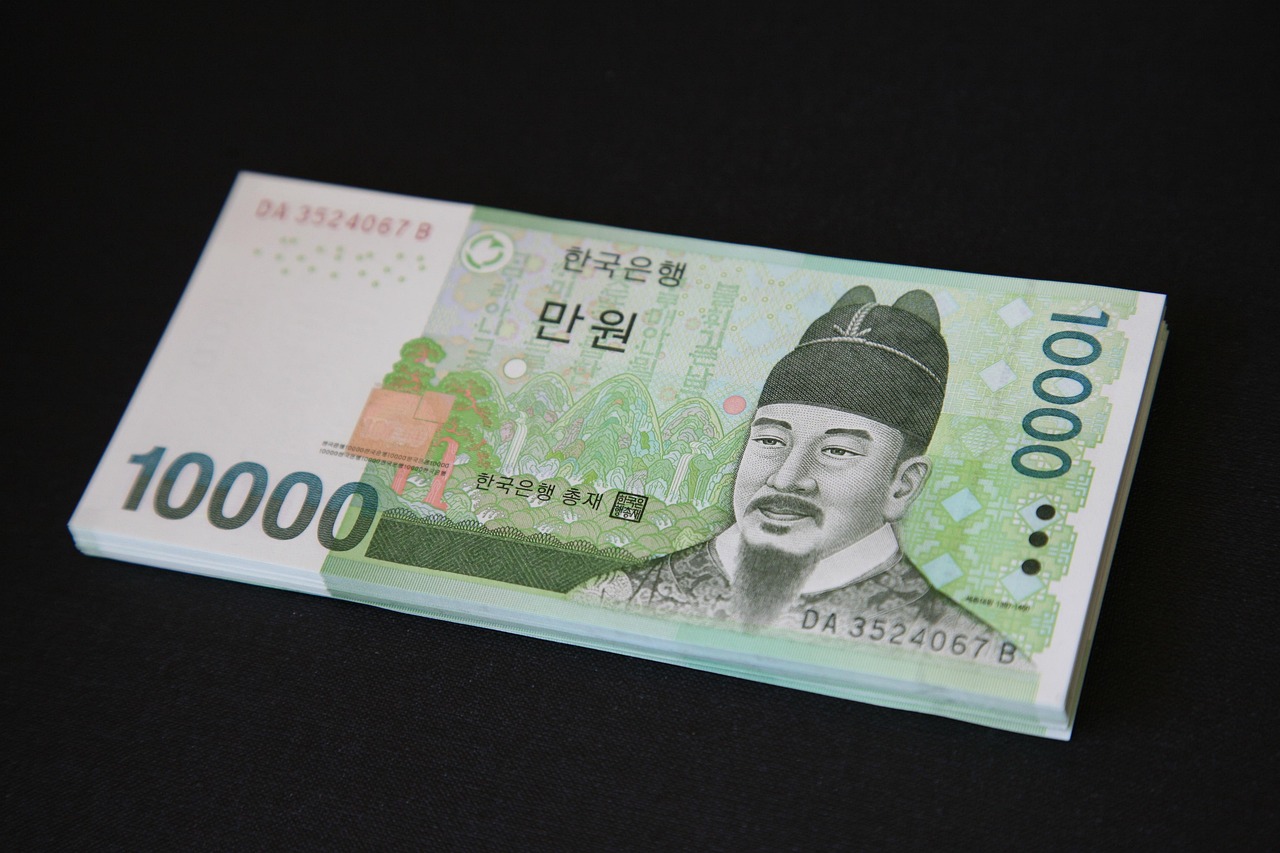
Most Asian currencies declined on Thursday as the U.S. dollar staged a recovery, driven by renewed safe-haven demand following President Donald Trump's comments signaling a further escalation in the U.S.-Iran conflict. Trump indicated that military operations against Iran would intensify over the next two to three weeks, with no clear path toward a ceasefire, quickly reversing the cautious optimism that had earlier pressured the dollar and lifted regional currencies.
The U.S. Dollar Index climbed 0.3% during Asian trading hours, with futures contracts mirroring the same gain. Rebounding oil prices added to market unease, reinforcing concerns over persistent inflation and a more hawkish Federal Reserve stance going forward.
Across Asia, currency pairs broadly moved in favor of the dollar. The South Korean won weakened the most, with USD/KRW rising 0.6%, while the Japanese yen slipped 0.3%. The Chinese yuan edged 0.2% lower onshore, and the Singapore dollar fell 0.3% against the greenback. The Indian rupee held relatively steady at 93.24 per dollar, having already hit a record low of 95.22 earlier in the week. India's central bank, the Reserve Bank of India, moved to stabilize the rupee by restricting banks from offering rupee non-deliverable forward contracts to both resident and non-resident clients, targeting offshore speculative activity against the currency.
The Australian dollar slid 0.5% despite upbeat trade figures. Australia's trade surplus widened to A$5.69 billion in February, exceeding forecasts, as exports grew 4.9% and imports contracted 3.2%. However, broader risk-off sentiment overshadowed the positive data.
Market attention now shifts to Friday's U.S. nonfarm payrolls report, a key indicator that could significantly shape expectations around Federal Reserve monetary policy and drive further moves in the dollar and Asian currency markets.







