


 Japan Private-Sector Growth Slows as Domestic Demand Weakens
  Gold Prices Fall as Treasury Yields Rise on Fed Rate Hike Bets
  Oil Prices Surge as U.S.-Iran Diplomacy Hopes Fade
  Fed Unveils Stablecoin Rules Under GENIUS Act
  Oil Prices Ease as Iran Tensions Clash With Diplomacy Hopes
  Fed Unveils Stablecoin Rules Under GENIUS Act
  Trump, Xi Focus on Trade and AI at White House Summit
  RBI Uses $10 Billion Currency Swaps to Drain Excess Rupee Liquidity
  Wall Street Ends Flat as Oil, Treasury Yields and Fed Jitters Rattle Markets
  Mexico-US Trade Talks Delayed to October as Tariff Negotiations Continue
  Asian Currencies Mixed as Dollar Holds Near Two-Month High
  Oil Prices Jump 3% as Houthi Attack Revives Supply Fears
  Wall Street Falls as Treasury Yields Surge, Oil Rebounds on Iran Tensions
  Russian Envoy Dmitriev Heads to US for Ukraine Talks
  Soybean Futures Slip as Traders Await Trump-Xi Trade Signals
  US 10-Year Treasury Yield at 6% Emerges as New Market Risk Threshold
  Asian Stocks Fall as Bond Yields Surge Ahead of Trump-Xi Summit


 Add as a preferred source on Google
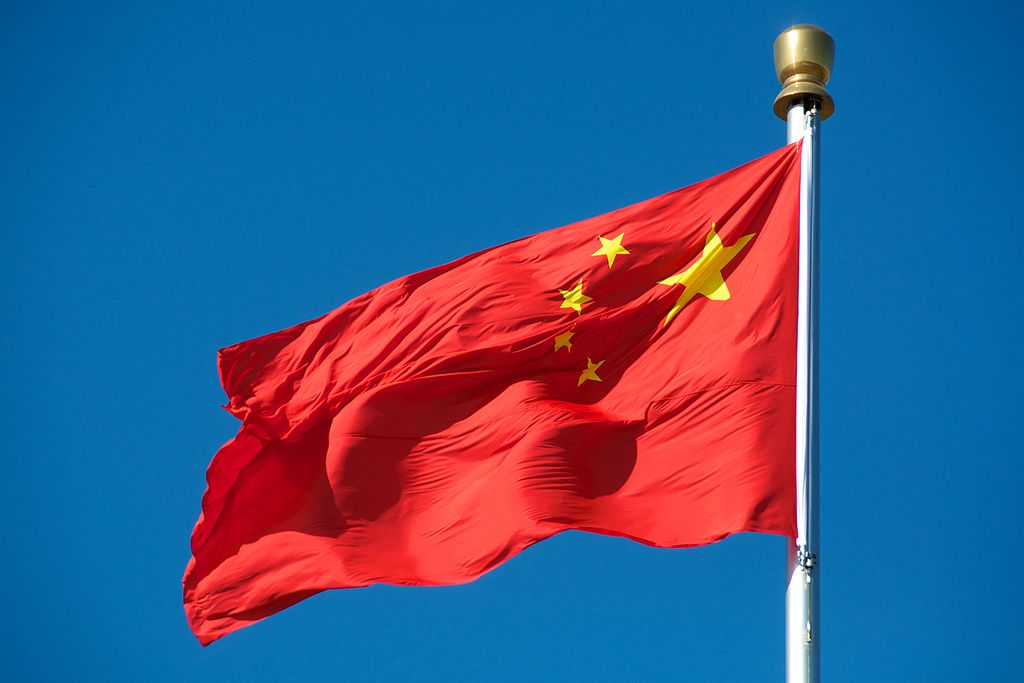
Goldman Sachs analysts believe China is among the best-positioned major economies to weather the current oil price shock stemming from escalating Middle East tensions, citing the country's diversified energy strategy, robust stockpiles, and reduced dependence on crude imports as key structural advantages.
Oil and gas account for roughly 28% of China's total primary energy consumption — a notably lower share compared to many global peers. Meanwhile, renewables and alternative sources such as solar, wind, hydro, and nuclear now generate approximately 40% of the country's electricity, a dramatic shift over the past decade that has significantly reduced Beijing's sensitivity to volatile global oil markets.
China has also been proactive in building energy security buffers. Combined strategic and commercial oil reserves are estimated at around 1.2 billion barrels, providing over 100 days of supply coverage in the event of a major disruption. Beyond stockpiles, Beijing has deliberately broadened its network of energy suppliers, sourcing crude from Russia, Australia, Malaysia, and other non-Middle Eastern partners. This diversification limits China's exposure to chokepoints like the Strait of Hormuz, where geopolitical tensions have flared.
Goldman Sachs estimates that the oil shock will shave only about 20 basis points off China's 2026 GDP growth — a comparatively mild hit. The United States faces a projected drag of around 40 basis points, while other emerging Asian economies could see reductions of up to 70 basis points.
That said, Goldman Sachs flagged indirect risks that could still pressure Chinese markets. Global stagflation, a strengthening US dollar, and tighter financial conditions may weigh on Chinese equity valuations and corporate earnings, even if the direct energy cost burden remains contained.
Overall, China's decade-long push toward energy diversification appears to be paying strategic dividends at a critical moment for the global economy.







