


 Fed’s Hammack Says Bond Yield Surge Is Not Driven by Inflation Fears
  European Stocks Fall as Bond Yields and Geopolitical Risks Weigh
  Oil Prices Jump 3% as Houthi Attack Revives Supply Fears
  Wall Street Ends Flat as Oil, Treasury Yields and Fed Jitters Rattle Markets
  U.S. Dollar Hits Two-Month High as Oil, Treasury Yields Surge
  US 10-Year Treasury Yield at 6% Emerges as New Market Risk Threshold
  US Stock Futures Fall as Treasury Yields Surge Ahead of Trump-Xi Summit
  RBI Uses $10 Billion Currency Swaps to Drain Excess Rupee Liquidity
  Mexico-US Trade Talks Delayed to October as Tariff Negotiations Continue
  Fed Unveils Stablecoin Rules Under GENIUS Act
  Asian Stocks Fall as Surging Bond Yields Rattle Markets
  Australia Unemployment Hits Five-Year High Despite Strong Jobs Growth
  UK PM Burnham to Unveil Economic Vision at Labour Conference
  Gold Prices Fall as Treasury Yields Rise on Fed Rate Hike Bets
  Oil Prices Fall on U.S.-Iran Hormuz Deal Hopes
  Japanese Bank Stocks Surge as Bond Yields Fuel Rate Hike Bets
  Gold Holds Near $4,275 as Rising Treasury Yields Fuel Fed Rate Hike Bets


 Add as a preferred source on Google
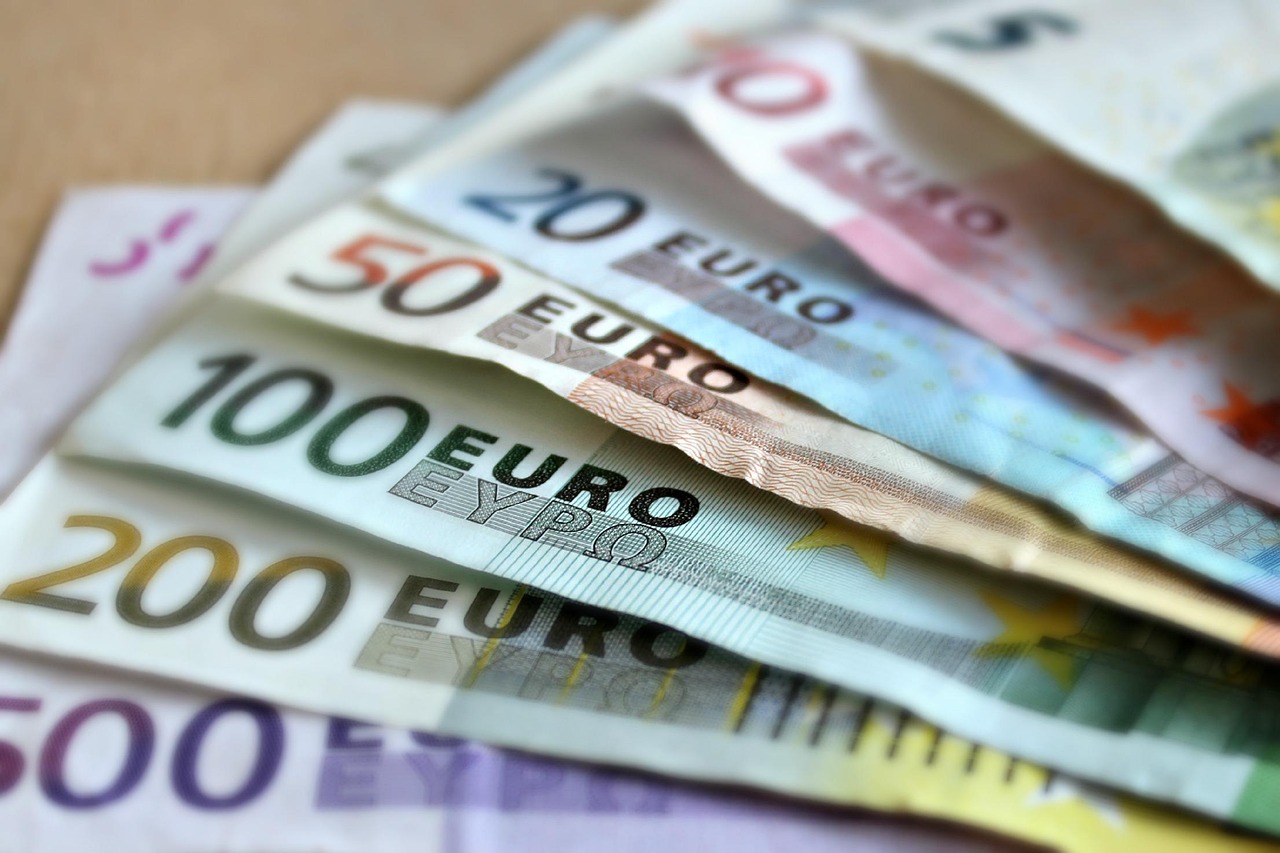
A sharp rise in the euro against the U.S. dollar in 2025 could reduce European corporate earnings by about 2%, according to analysts at Citi. The euro has gained roughly 10% year-to-date, driven by global investors reallocating capital from the U.S. to Europe due to heightened policy uncertainty in the U.S. and relatively stronger economic prospects abroad.
Citi projects that the euro will climb another 5%, reaching $1.20 within the next six to twelve months. This currency strength poses a headwind for many European exporters, especially in sectors like materials and energy, which are more exposed to foreign exchange fluctuations.
Despite these pressures, Citi analysts, led by Beata Manthey, note that a rising euro doesn't always spell trouble for earnings. Historically, European forward earnings per share (EPS) have increased by an average of 10% over the year following significant euro rallies, though the outcomes vary widely. The broader economic environment can often counterbalance currency impacts.
Still, forex volatility combined with ongoing uncertainty around U.S. tariffs under President Donald Trump may add to investor caution. Export-driven firms are especially at risk, while others could stand to benefit.
Citi highlights companies that may gain from a stronger euro, including Commerzbank (ETR:CBKG), PKO Bank (WA:PKO), Zalando (ETR:ZALG), and Redcare Pharmacy (ETR:RDC). Conversely, firms that typically perform better with a weaker euro include UPM-Kymmene (HE:UPM), Shell (AS:SHEL), BP (LON:BP), Novo Nordisk (CSE:NOVOb), and AstraZeneca (LON:AZN).
As currency markets continue to shift, investors are watching closely to assess how exchange rates and trade policy will shape Europe’s earnings landscape.







