


 Iran Begins Oil Sale Talks With Japan Under U.S. Sanctions Waiver Amid Shipping Risks
  Goldman Sachs Flags 3 Key Risks Ahead of Europe’s Earnings Season
  Dollar Rebounds as Euro, Pound Slip Ahead of Fed Minutes, Yen Near Intervention Zone
  Goldman Sachs Raises USD/JPY Forecast, Sees Yen Weakness Persist Through 2027
  Oil Prices Slip as OPEC+ Boosts August Output, Oversupply Concerns Weigh on Crude Market
  Japan Defense Stocks Rally on Report of New Defense Ministry Bureau for Global Cooperation
  Wall Street Ends Mixed as Weak Jobs Data Lowers Fed Rate Hike Bets, Chip Stocks Tumble
  Asian Stocks Rebound as Tech Shares Rally on Fed Rate Cut Hopes and Easing Iran Tensions
  Turkey Vehicle Sales Fall 11.4% in June as Auto Market Weakens
  Gold Price Rises as Softer Dollar and Fed Rate Expectations Boost Bullion Demand
  Brazil to Phase Out Gasoline Subsidy First as Diesel Support Stays Longer
  Denmark Central Bank Intervenes to Support Krone Peg Against Euro
  Oil Prices Steady as U.S.-Iran Talks Ease Supply Fears Ahead of Holiday Weekend
  Oil Prices Steady as U.S.-Iran Peace Talks Ease Strait of Hormuz Supply Fears
  Oil Prices Slip as Oversupply Concerns and U.S.-Iran Talks Shape Market Outlook
  Japan Signals Readiness to Act on Yen as Intervention Speculation Grows


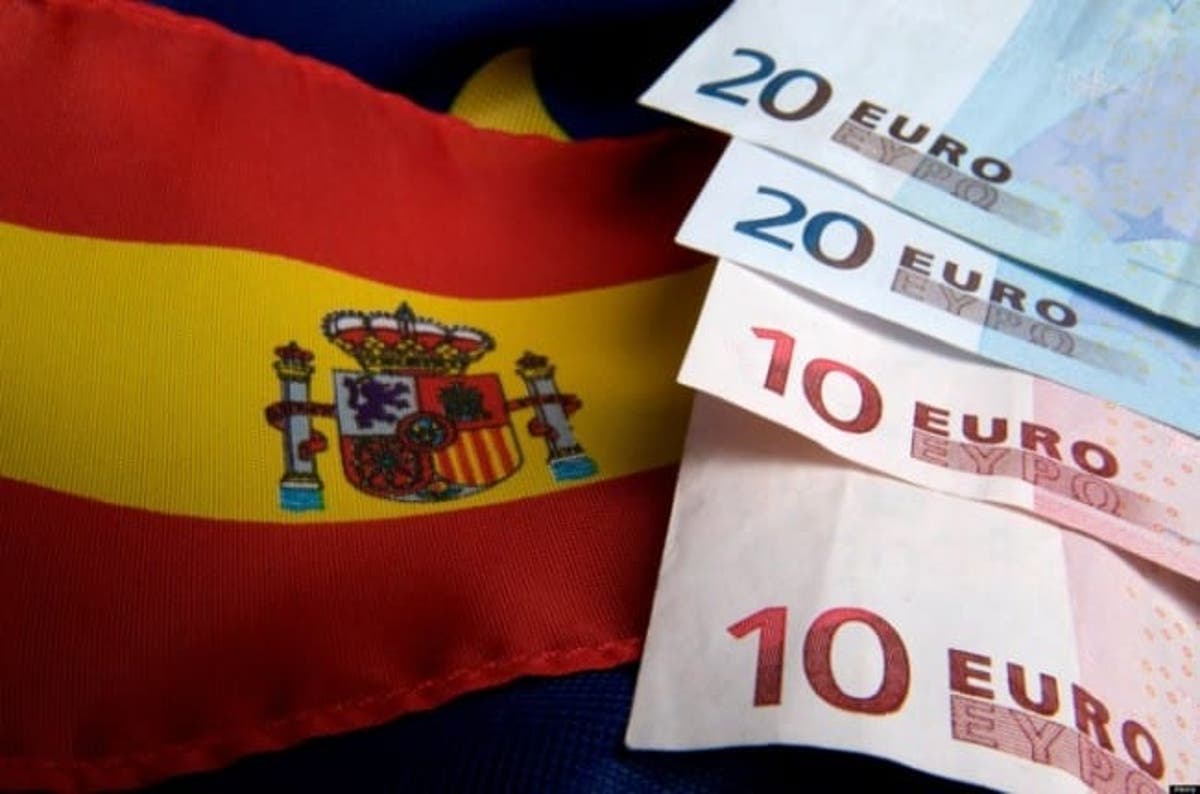
The Spanish government will increase taxes on big corporations and the wealthy and use $31.8 billion in European grants in efforts to reverse its economic slump.
There were talks on using all $164 billion that the EU earmarked from its coronavirus recovery fund to create 800,000 jobs over the next three years.
But the government decided on first using the grants and utilizing low-interest loans for the 2024-2026 period.
It also proposed a $281 billion national spending plan for next year, increasing subsidies for the poorest, raising pensions, broadening basic income scheme, and providing more funds for the health system.
Spain's budget proposal hinges on the expectation that its economy will grow 7.2 percent next year.
However, the IMF expects GDP to sink more than 12.8 percent this year, more than any other developed economy.
A strict lockdown from March to June and restrictions harmed Spain's tourism-reliant economy, which was just recovering from the 2008-2013 financial crisis.
There were 355,000 Spaniards that lost jobs between July and September, pushing the country’s jobless rate from 15.3 percent in the previous quarter to 16.3 percent.
Spain currently has 3.7 million out of work, with hundreds of thousands more on government-funded temporary furlough schemes.







