


 Fed Unveils Stablecoin Rules Under GENIUS Act
  Wall Street Ends Flat as Oil, Treasury Yields and Fed Jitters Rattle Markets
  Gold Prices Fall as Treasury Yields Rise on Fed Rate Hike Bets
  US 10-Year Treasury Yield at 6% Emerges as New Market Risk Threshold
  China’s ‘Lipstick King’ Says AI Won’t Replace Livestream Hosts
  Soybean Futures Slip as Traders Await Trump-Xi Trade Signals
  US Stock Futures Fall as Treasury Yields Surge Ahead of Trump-Xi Summit
  Mexico-US Trade Talks Delayed to October as Tariff Negotiations Continue
  European Stocks Fall as Bond Yields and Geopolitical Risks Weigh
  Japanese Yen Rebounds as Trump Flags Currency Weakness
  Fed Unveils Stablecoin Rules Under GENIUS Act
  Oil Prices Fall on U.S.-Iran Hormuz Deal Hopes
  Gold Holds Near $4,275 as Rising Treasury Yields Fuel Fed Rate Hike Bets
  Dollar Falls as Oil Eases, Yen Jumps on Intervention Signals
  Australia Unemployment Hits Five-Year High Despite Strong Jobs Growth
  Trump, Xi Focus on Trade and AI at White House Summit
  Oil Prices Ease as Iran Tensions Clash With Diplomacy Hopes


 Add as a preferred source on Google
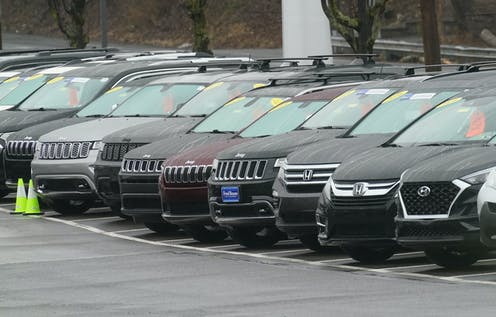
South Korea’s used car export industry is booming, offsetting the slowdown in new car shipments to the United States caused by steep tariffs. At Incheon, the nation’s largest used car export hub, workers are loading thousands of vehicles daily, many bound for markets in Russia, Central Asia, and the Middle East. Traders say demand for older Hyundai and Kia cars remains strong, especially as a weaker won boosts competitiveness.
According to trade ministry and customs data, overall car exports rose 9% year-on-year in August to a record $5.5 billion. Of that, used cars contributed $711.5 million, marking a 35% increase. In the first half of 2025 alone, South Korea exported 437,151 used vehicles worth $3.9 billion—72% more than the previous year. Used cars now represent about a quarter of total vehicle export volume and 13% of export value.
Industry experts note that while U.S. tariffs of 25% weigh on new vehicle sales, they may inadvertently lift global demand and prices for second-hand cars. Shin Hyun-do, director of the Korea Used Car Distribution Research Institute, emphasized that rising new car prices will naturally push buyers toward used alternatives, further strengthening the sector.
Markets in Russia and the Middle East are driving this growth. South Korea has even sold more used cars than new vehicles to Middle Eastern buyers this year, while exports to Russia surged 40% despite sanctions and restrictions. Japan’s restrictions on used car sales to Russia have also opened opportunities for South Korean exporters.
However, industry insiders warn that poor infrastructure at export hubs like Incheon, where vehicles are stored on muddy dirt lots, threatens the sustainability of this growth. Calls are mounting for government intervention to create modernized export complexes and establish a registration system for exporters.
With demand soaring and used car exports now recognized as one of South Korea’s fastest-growing industries—alongside cosmetics—policymakers are being urged to step in and support an industry that has become a vital contributor to national trade.







