


 Gold Prices Fall as Treasury Yields Rise on Fed Rate Hike Bets
  Germany’s 2026 Growth Outlook Strengthens on Fiscal Spending
  Asian Stocks Fall as Bond Yields Surge Ahead of Trump-Xi Summit
  Soybean Futures Slip as Traders Await Trump-Xi Trade Signals
  Australia Unemployment Hits Five-Year High Despite Strong Jobs Growth
  US Comfortable With Canada Trade Standoff as Import Bans Loom
  Canadian Dollar Faces Pressure as Fed-BoC Policy Gap Widens
  Gold Holds Near $4,275 as Rising Treasury Yields Fuel Fed Rate Hike Bets
  US Stock Futures Fall as Treasury Yields Surge Ahead of Trump-Xi Summit
  Trump, Xi Focus on Trade and AI at White House Summit
  Fed Unveils Stablecoin Rules Under GENIUS Act
  Oil Prices Fall on U.S.-Iran Hormuz Deal Hopes
  Dollar Holds Near Two-Month High as Yen Approaches 160
  European Stocks Fall as Bond Yields and Geopolitical Risks Weigh
  Oil Prices Jump 3% as Houthi Attack Revives Supply Fears
  Dollar Falls as Oil Eases, Yen Jumps on Intervention Signals
  Fed’s Hammack Says Bond Yield Surge Is Not Driven by Inflation Fears


 Add as a preferred source on Google
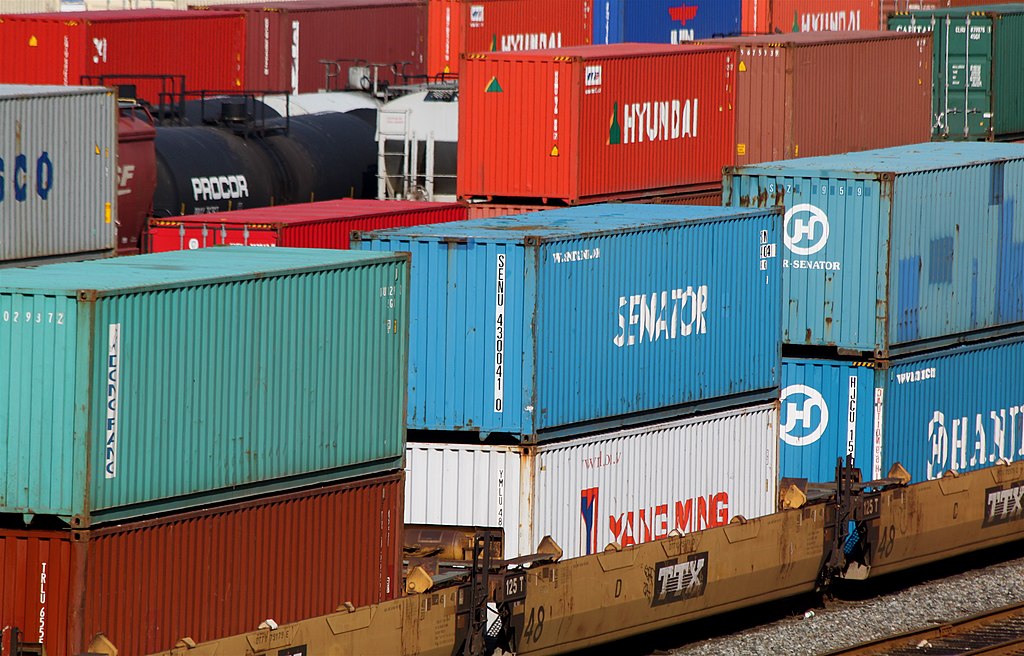
South Korea’s economy unexpectedly shrank by 0.2% in Q1 2025, marking its first quarterly contraction since mid-2024, as exports and consumer spending faltered amid growing uncertainty over U.S. tariff hikes. The downturn, falling short of Reuters’ forecast of a 0.1% expansion, raises expectations for the Bank of Korea (BOK) to cut interest rates again, possibly as early as May.
The central bank, which held its benchmark rate steady at 2.75% on April 17 following three cuts since October, has already signaled openness to further easing. Analysts now predict the policy rate could fall to 2.25% by Q3 as fears of a global slowdown mount, driven by U.S. President Donald Trump’s protectionist trade agenda.
Key economic components reflected the broader weakness. Construction investment tumbled 3.2%, capital investment fell 2.1%, and exports dipped 1.1% from the previous quarter. Private consumption edged down 0.1%, reversing a slight gain in Q4 2024. Early April trade data further confirmed the trend, with exports down 5.2% year-on-year and shipments to the U.S. plunging 14.3% following Trump’s tariffs on autos and other goods.
Domestic challenges added to the strain, including record wildfires and political instability, which the BOK noted have dampened business and consumer sentiment. Corporate investment appetite has waned, although central bank officials remain cautiously optimistic about a moderate recovery in Q2.
Year-on-year, South Korea’s GDP declined 0.1%, a sharp reversal from 1.2% growth in Q4 2024. The economy expanded 2.0% in 2024 and 1.4% in 2023. As Asia’s fourth-largest economy grapples with global headwinds, policymakers are under pressure to stabilize growth through monetary and diplomatic efforts, including ongoing talks in Washington to ease tariff burdens.







