


 Asian Currencies Mixed as Dollar Holds Near Two-Month High
  Dollar Holds Near Two-Month High as Yen Approaches 160
  US, China Extend Trade Truce to Jan. 10 Ahead of Trump-Xi Summit
  U.S. Dollar Hits Two-Month High as Oil, Treasury Yields Surge
  RBI Uses $10 Billion Currency Swaps to Drain Excess Rupee Liquidity
  Asian Stocks Fall as Surging Bond Yields Rattle Markets
  Asian Stocks Fall as Bond Yields Surge Ahead of Trump-Xi Summit
  Mexico-US Trade Talks Delayed to October as Tariff Negotiations Continue
  US Stock Futures Fall as Treasury Yields Surge Ahead of Trump-Xi Summit
  Gold Holds Near $4,275 as Rising Treasury Yields Fuel Fed Rate Hike Bets
  China’s ‘Lipstick King’ Says AI Won’t Replace Livestream Hosts
  Wall Street Ends Flat as Oil, Treasury Yields and Fed Jitters Rattle Markets
  Trump, Xi Focus on Trade and AI at White House Summit
  Gold Prices Fall as Treasury Yields Rise on Fed Rate Hike Bets
  European Stocks Fall as Bond Yields and Geopolitical Risks Weigh
  Russian Envoy Dmitriev Heads to US for Ukraine Talks
  Soybean Futures Slip as Traders Await Trump-Xi Trade Signals


 Add as a preferred source on Google
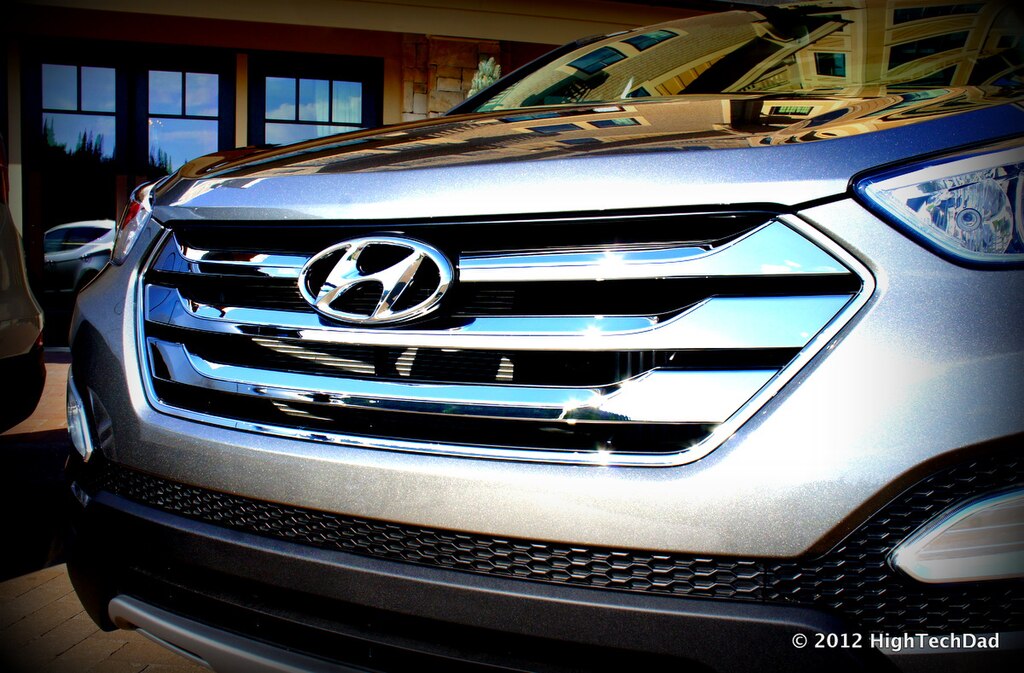
Shares of South Korea’s major automakers recovered from sharp early losses after U.S. President Donald Trump said he plans to raise tariffs on South Korean goods, including automobiles, highlighting renewed uncertainty around U.S.–South Korea trade relations. Despite initial market jitters, investor sentiment stabilized as analysts suggested the tariff threat may not materially change existing trade terms.
Hyundai Motor shares reversed steep intraday declines to close up 1.1%, after falling as much as 4.8% earlier in the session. Kia Corp, Hyundai’s sister company, also clawed back some losses, trading down 1% after plunging nearly 6% at its worst point. Hyundai Mobis, a key auto parts affiliate, was down just 0.1% after earlier losses reached 5.7%. The broader South Korean stock market showed resilience, with the benchmark KOSPI index trading 1.2% higher as of 0150 GMT, reflecting selective bargain buying and confidence in macro fundamentals.
Currency markets reacted more negatively to the tariff news. The South Korean won weakened 0.52% to 1,451.1 per U.S. dollar shortly after onshore trading opened in Seoul, reversing gains of up to 2% from the previous session. The move underscored investor sensitivity to trade-related headlines and potential risks to South Korea’s export-driven economy.
In a social media post on Monday, Trump said he would increase tariffs on South Korean imports tied to autos, lumber, and pharmaceuticals to 25%, up from 15%. He accused South Korea’s legislature of failing to meet obligations under its trade agreement with Washington. However, details surrounding the timing and legal basis of the proposed tariff hike remain unclear.
Market analysts noted that South Korea–U.S. trade negotiations had already been settled at the presidential level. Kim Joon-sung, a senior analyst at Meritz Securities, said auto export tariffs to the United States are widely expected to be reconfirmed at 15%, easing fears of a prolonged trade dispute.
Overall, the rebound in South Korean auto stocks suggests investors are cautiously optimistic that the tariff threat may be more political than structural, limiting long-term damage to the sector.







