


 Asian Stocks Fall as Bond Yields Surge Ahead of Trump-Xi Summit
  Trump, Xi Focus on Trade and AI at White House Summit
  US Stock Futures Fall as Treasury Yields Surge Ahead of Trump-Xi Summit
  Mexico-US Trade Talks Delayed to October as Tariff Negotiations Continue
  EU Defence Build-Up Too Slow for 2030 Russia Readiness Goal
  Ukrainian Drone Attacks Hit Russian Regions, Injuring at Least 12
  Gold Prices Fall as Treasury Yields Rise on Fed Rate Hike Bets
  NATO Boosts Intelligence Sharing Amid Russia Hybrid Threats
  Netanyahu Takes Aim at Mamdani as Israel Election Nears
  Japan Private-Sector Growth Slows as Domestic Demand Weakens
  Oil Prices Jump 3% as Houthi Attack Revives Supply Fears
  Asian Stocks Fall as Surging Bond Yields Rattle Markets
  Ghana Says Western Support Growing for Slave Trade Reparations
  Najib Razak Seeks Stay of 15-Year 1MDB Prison Sentence
  Pezeshkian Says US Must Choose When Iran War Ends
  Gold Holds Near $4,275 as Rising Treasury Yields Fuel Fed Rate Hike Bets
  What ‘Taiwan Independence’ Means as Xi Presses Trump on US Policy


 Add as a preferred source on Google
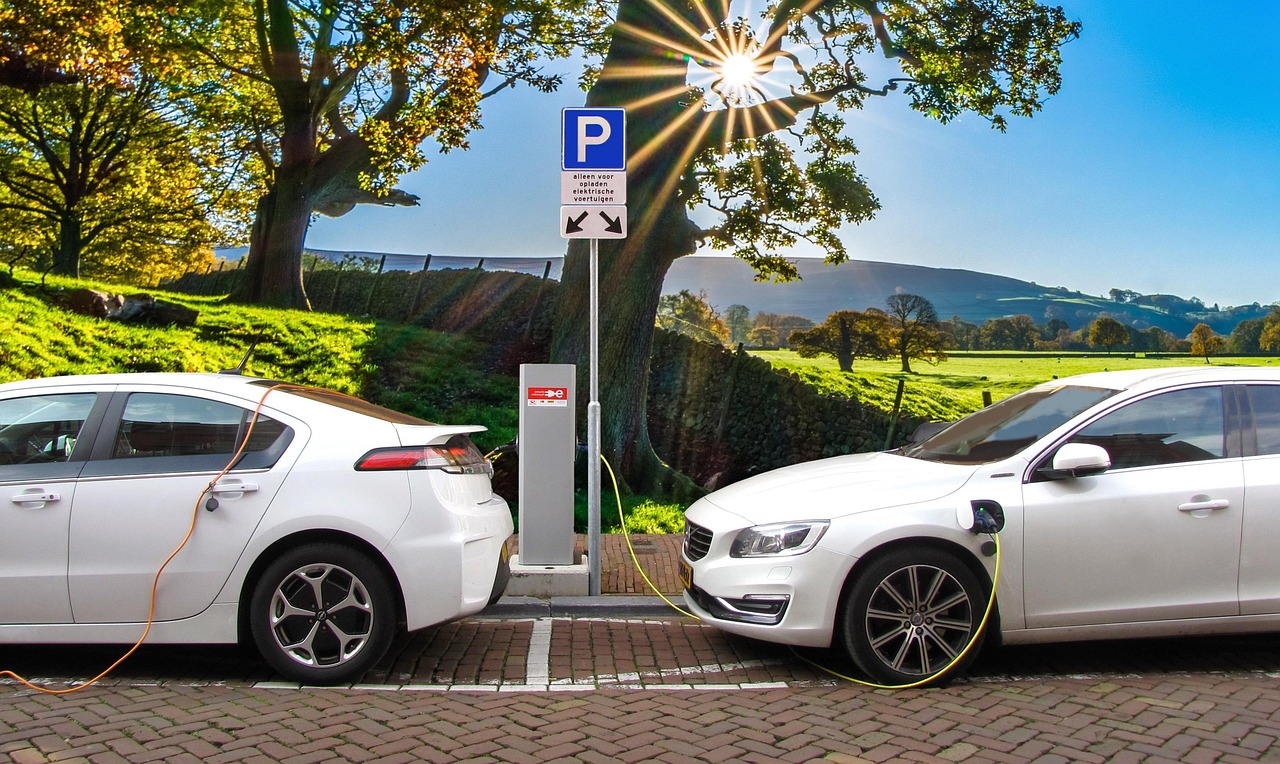
South Korea announced plans to significantly increase subsidies for electric vehicles next year, aiming to support its auto sector as it faces ongoing challenges from U.S. trade tariffs. According to a government statement released on Friday, passenger EV subsidies will rise by 20% to 936 billion won ($658 million) in 2026, up from 780 billion won this year. Officials say the boost is intended to stimulate domestic demand and help manufacturers stay competitive in a shifting global market.
The government also outlined broader measures designed to strengthen the country’s automotive supply chain. Auto parts suppliers will receive expanded policy financing, surpassing the more than 15 trillion won provided in 2025. In addition, South Korea plans to reinforce its guarantee programs for parts makers operating abroad, especially in key markets such as the United States and Mexico. These guarantees will allow companies to secure long-term, low-interest loans, easing financial burdens as trade uncertainties persist.
South Korea’s auto industry remains one of the pillars of its economy, exporting $70.8 billion worth of vehicles in 2024—more than 10% of the nation’s total exports. Major automakers Hyundai Motor and Kia, which together form the world’s third-largest auto group by sales, have been hit hard by a 25% U.S. tariff on imported vehicles. Although Washington and Seoul recently agreed to lower that tariff to 15%, the updated rate has yet to take effect because the two governments have not released an official joint fact sheet outlining the new trade and security agreement.
Despite a public announcement by U.S. President Donald Trump and South Korean President Lee Jae Myung confirming the deal, no written documentation has been shared more than two weeks later. South Korean Foreign Minister Cho Hyun has urged U.S. Secretary of State Marco Rubio to expedite the release of the fact sheet, according to a Yonhap News report from the G7 foreign ministers’ meeting in Canada.
The government’s latest support package underscores growing urgency to protect South Korea’s auto industry as global competition intensifies and trade negotiations remain unresolved.







