


 Trump, Xi Focus on Trade and AI at White House Summit
  Dollar Falls as Oil Eases, Yen Jumps on Intervention Signals
  Gold Prices Fall as Treasury Yields Rise on Fed Rate Hike Bets
  Dollar Holds Near Two-Month High as Yen Approaches 160
  Fed Unveils Stablecoin Rules Under GENIUS Act
  Oil Prices Fall on U.S.-Iran Hormuz Deal Hopes
  Mexico-US Trade Talks Delayed to October as Tariff Negotiations Continue
  Asian Stocks Fall as Surging Bond Yields Rattle Markets
  Oil Prices Ease as Iran Tensions Clash With Diplomacy Hopes
  US Stock Futures Fall as Treasury Yields Surge Ahead of Trump-Xi Summit
  U.S. Dollar Hits Two-Month High as Oil, Treasury Yields Surge
  Asian Currencies Mixed as Dollar Holds Near Two-Month High
  US 10-Year Treasury Yield at 6% Emerges as New Market Risk Threshold
  Fed’s Hammack Says Bond Yield Surge Is Not Driven by Inflation Fears
  RBI Uses $10 Billion Currency Swaps to Drain Excess Rupee Liquidity
  Asian Stocks Fall as Bond Yields Surge Ahead of Trump-Xi Summit


 Add as a preferred source on Google
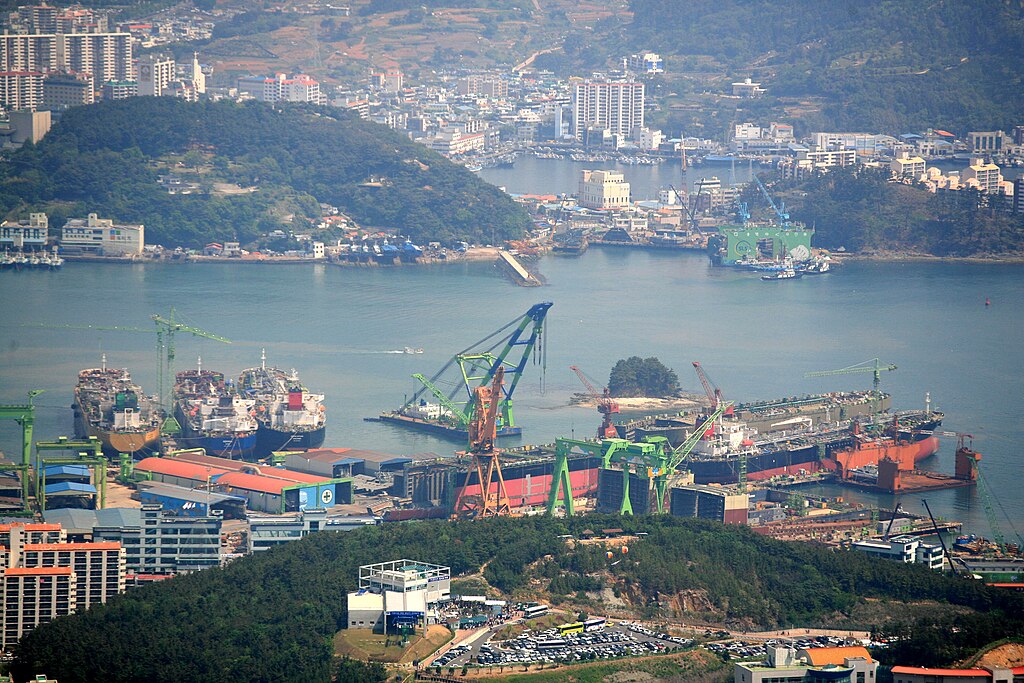
South Korea’s economy recorded a stronger expansion in the third quarter of the year, growing 1.3% according to revised data released by the Bank of Korea. The updated figure comes in slightly higher than the central bank’s earlier estimate of 1.2%, signaling resilient economic momentum despite global headwinds.
The latest report marks the country’s fastest quarterly growth since the fourth quarter of 2021, when GDP rose by 1.6%. Analysts note that the improvement reflects solid consumer spending, steady exports, and ongoing investment recovery, helping Asia’s fourth-largest economy maintain stability during a period of elevated uncertainty.
On a year-on-year basis, South Korea’s GDP increased by 1.8% in the third quarter, also beating the earlier projection of 1.7%. The upward revision suggests improved economic performance across major sectors, reinforcing expectations that the country may continue its moderate growth trajectory into the coming months. Economists highlight that sustained demand for South Korean goods—particularly in technology, automotive, and energy-related industries—has supported export growth, a longstanding pillar of the nation’s economic structure.
The central bank’s revised outlook comes as policymakers carefully balance economic growth with inflation pressures and global market volatility. Strengthened quarterly performance may influence future monetary policy decisions, especially as South Korea monitors global interest rate trends and geopolitical developments that could impact trade dynamics.
Overall, the stronger-than-expected Q3 results offer a positive signal for South Korea’s economic outlook. With exports stabilizing and domestic activity showing resilience, the country appears positioned to navigate ongoing challenges while maintaining a steady growth path. As global conditions evolve, South Korea’s economic performance in the coming quarters will remain a key focus for investors, policymakers, and market watchers seeking insights into regional and global economic trends.







