


 Fed Unveils Stablecoin Rules Under GENIUS Act
  US 10-Year Treasury Yield at 6% Emerges as New Market Risk Threshold
  Asian Stocks Fall as Surging Bond Yields Rattle Markets
  Oil Prices Jump 3% as Houthi Attack Revives Supply Fears
  Fed Unveils Stablecoin Rules Under GENIUS Act
  Trump, Xi Focus on Trade and AI at White House Summit
  Japanese Yen Rebounds as Trump Flags Currency Weakness
  Gold Holds Near $4,275 as Rising Treasury Yields Fuel Fed Rate Hike Bets
  China’s ‘Lipstick King’ Says AI Won’t Replace Livestream Hosts
  Fed’s Hammack Says Bond Yield Surge Is Not Driven by Inflation Fears
  European Stocks Fall as Bond Yields and Geopolitical Risks Weigh
  Asian Stocks Fall as Bond Yields Surge Ahead of Trump-Xi Summit
  Japan Private-Sector Growth Slows as Domestic Demand Weakens
  Mexico-US Trade Talks Delayed to October as Tariff Negotiations Continue
  Canadian Dollar Faces Pressure as Fed-BoC Policy Gap Widens
  Wall Street Ends Flat as Oil, Treasury Yields and Fed Jitters Rattle Markets
  U.S. Dollar Hits Two-Month High as Oil, Treasury Yields Surge


 Add as a preferred source on Google
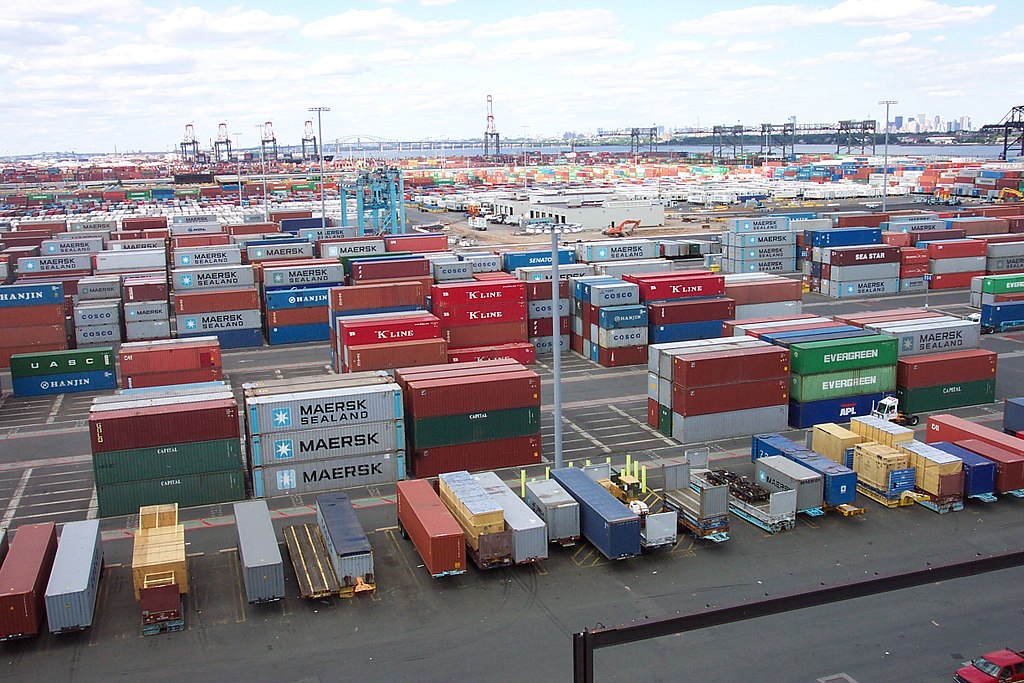
South Korea’s exports surged for a seventh straight month in December, closing out 2025 at an all-time high and surpassing the $700 billion mark for the first time, according to official government data released on Thursday. The strong performance highlights the resilience of Asia’s fourth-largest economy and reinforces its role as a key bellwether for global trade trends.
Exports rose 13.4% year-on-year in December, reaching $69.58 billion. This result significantly exceeded market expectations, as economists surveyed by Reuters had forecast a median increase of 9.0%. The stronger-than-expected growth reflects solid global demand for South Korea’s key export products, including semiconductors, automobiles, electronics, and petrochemicals, which continue to benefit from improving supply chains and steady overseas consumption.
Imports also increased in December, rising 4.6% from a year earlier to $57.40 billion. The rise in imports suggests stable domestic demand and ongoing industrial activity, as businesses continued to source raw materials, energy, and intermediate goods to support production. Together, the export and import figures indicate a healthier trade environment compared with previous periods of global uncertainty.
On an annual basis, South Korea’s exports expanded by 3.8% throughout 2025, reaching a record total of $709.7 billion. This milestone marks a historic achievement for the country’s trade sector and underscores the effectiveness of its export-driven growth model. The annual gain comes despite lingering concerns over slowing growth in major economies, geopolitical tensions, and fluctuating commodity prices, all of which posed challenges to global trade during the year.
As a major exporter deeply integrated into global supply chains, South Korea is often seen as an early indicator of broader trade conditions. The continued rise in exports suggests that global demand is stabilizing and that international trade flows are gradually recovering. Looking ahead, policymakers and businesses will closely monitor external risks, currency movements, and demand from key markets, but the record-breaking export performance provides a strong foundation for optimism entering the new year.







