


 Zelenskiy Meets CIA Chief John Ratcliffe at Ireland’s Shannon Airport
  Trump Meets Venezuela’s Delcy Rodriguez at UN Assembly
  Russian Strikes Kill Eight Across Ukraine as Energy Sites Hit
  Zelenskiy Warns Russia Preparing Major Attack on Ukraine
  Marco Rubio to Meet Russia’s Lavrov in New York
  US, Japan and South Korea Back Taiwan Ahead of Trump-Xi Summit
  Paramount-Warner Bros $110 Billion Deal Draws Antitrust Backlash
  Macron Challenges Trump’s Gaza Peace Claims at UN
  Lula and Flavio Bolsonaro Tied in Brazil Runoff Poll
  Iran Vows ‘Crushing’ Response as US Talks Continue
  CNN, MS NOW and Politico Sue Trump Over White House Media Ban
  Trump to Press Xi on Release of US Nuclear Expert Held in China
  US, Denmark and Greenland Set to Sign Arctic Security Deal
  Canada Unveils Bill to Fast-Track Major Resource Projects
  US Plans Two New Military Bases in Greenland Under Arctic Deal
  Taiwan Vows to Advance US Arms Sales Ahead of Trump-Xi Meeting
  Trump Administration Prepares Sanctions Against Entire ICC


 Add as a preferred source on Google
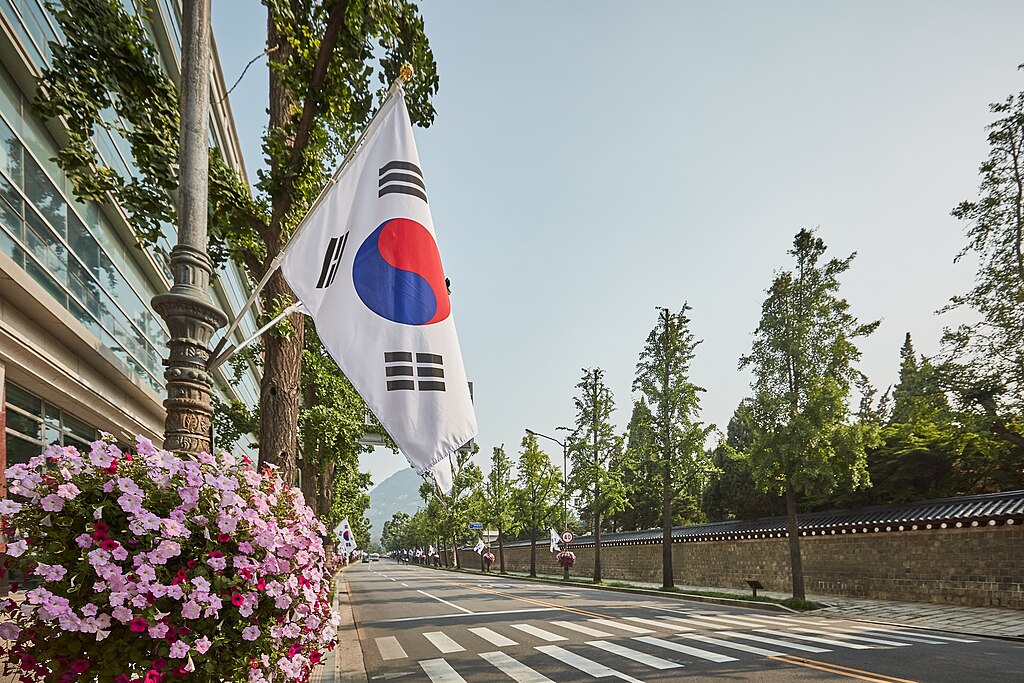
A ballot paper shortage during South Korea’s recent local elections has triggered widespread protests, intensified political tensions, and raised concerns about public confidence in the country’s democratic process.
Many voters, including Seoul resident Yoomi Lee, faced hours-long delays after polling stations ran out of ballot papers. What was expected to be a routine vote turned into frustration and confrontations with election officials at more than 90 polling locations across the country.
The controversy quickly escalated into one of South Korea’s largest political protests since the 2024 martial law crisis. Demonstrators gathered in Seoul demanding a rerun of the election, while accusations of election mismanagement and voter disenfranchisement spread across social media. The growing backlash prompted National Election Commission (NEC) chief Rho Tae-ak to resign and led President Lee Jae Myung to order an official investigation and pledge reforms to election procedures.
Political analysts warn that the handling of the ballot shortage could significantly impact public trust in South Korea’s electoral system. According to democracy experts, a transparent investigation may help restore confidence, while a weak response could deepen skepticism among voters.
The issue appears to have benefited the conservative opposition People Power Party (PPP), with recent polling showing a sharp narrowing of the gap between the PPP and the ruling Democratic Party. Opposition leaders have argued that ballot shortages were particularly severe in conservative-leaning districts and have renewed calls for a nationwide election rerun.
Several first-time protesters said they joined demonstrations because they viewed the ballot shortage as a violation of their fundamental democratic rights. Large crowds, including students, office workers, gig workers, and families, have continued to gather throughout the week demanding accountability and electoral transparency.
An NEC official revealed that the commission adopted a guideline requiring only 50% of eligible voters’ ballots to be printed, significantly lower than previous elections. The decision was influenced by higher advance voting rates and concerns about excess unused ballots fueling election fraud allegations.
Despite growing demands for a rerun, the NEC noted that South Korea’s Public Official Election Act does not list ballot shortages as a legal basis for repeating an election. Nevertheless, protesters continue to call for corrective action, arguing that restoring trust in democracy should remain the government’s top priority.







