


 Marco Rubio to Meet Russia’s Lavrov in New York
  Mexico-US Trade Talks Delayed to October as Tariff Negotiations Continue
  Trump Board of Peace Unveils $2.45 Billion Gaza Recovery Plan
  Gaza Faces Evacuation Crisis as War-Damaged Buildings Risk Collapse
  Europe Warns Russia Is Escalating Hybrid Attacks Across NATO
  Judge Orders Trump to Restore White House Access for CNN, MS NOW and Politico
  Kremlin Says No Grounds Yet for Ukraine Peace Talks
  Zelenskiy Warns Russia Preparing Major Attack on Ukraine
  Trump Administration Plans Faster FDA Reviews for Smoke-Free Nicotine Products
  Venezuela Promises Elections as Delcy Rodriguez Pledges Democratic Transition
  Trump Meets Venezuela’s Delcy Rodriguez at UN Assembly
  Trump Says ‘Freedom’ Is Coming to Cuba
  Netanyahu Takes Aim at Mamdani as Israel Election Nears
  Taiwan Thanks US for Support Ahead of Trump-Xi Summit
  Scott Bessent Eyed as Trump’s New AI Czar
  Taiwan Vows to Advance US Arms Sales Ahead of Trump-Xi Meeting
  Russian Strikes Kill Eight Across Ukraine as Energy Sites Hit


 Add as a preferred source on Google
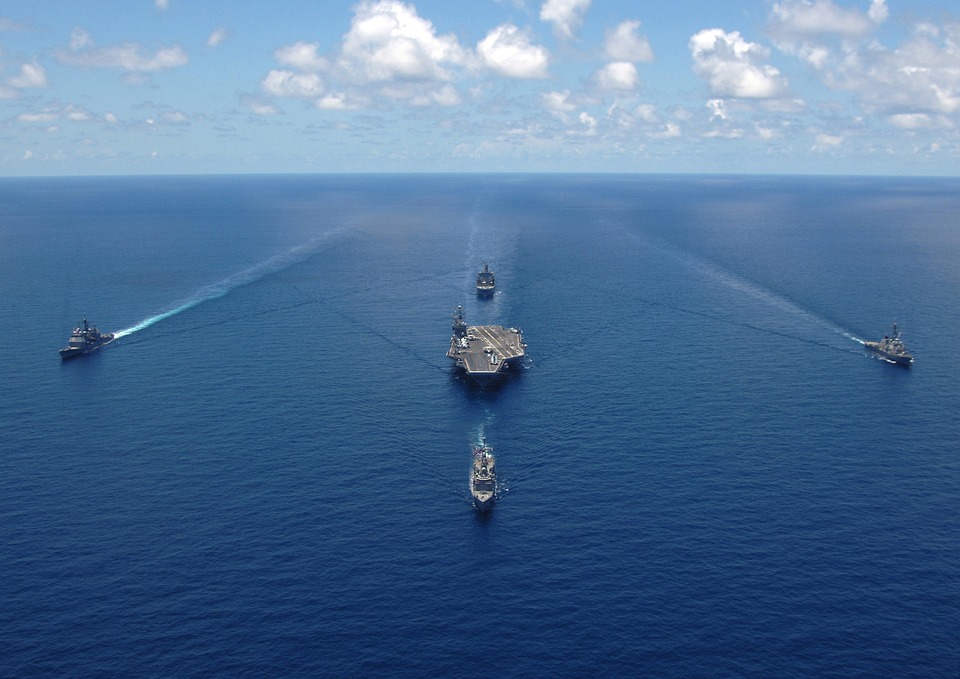
Tensions in the South China Sea continue to grow due to the increasing military presence from both Chinese forces and the surrounding countries and their allies in the west. The European Union recently called out Chinese President Xi Jinping for the attempts to disturb the peace in the hotly contested waters.
The European Union has now urged everyone involved in the dispute to adhere to the 2016 arbitration rejecting China’s claim of having sovereignty over almost the entire South China Sea. Beijing has since rejected the ruling and has continued to insist it has sovereignty over the waters. At the same time, Brussels has also issued a new policy that seeks to increase the EU’s presence in the South China Sea to counter Chinese forces.
“Tensions in the South China Sea, including the recent presence of large Chinese vessels at Whitsun Reef, endanger peace and stability in the region,” said the EU spokesperson in a statement. The statement also stressed the EU’s opposition to actions that could undermine stability in the region and are against the international rules-based order.
The statement also comes as the Philippines has protested against China for its failure to pull out the boats that are believed to be manned by maritime militia around the Whitsun Reef. The reef is also referred to as Julian Felipe reef by the Philippines. In response to the EU’s statement, China rejected the accusations and also stressed that the Whitsun reef is part of the nation’s Nansha islands, also known as Spratley Islands.
They also said that it was reasonable and legal for Chinese fishing vessels to operate there and seek shelter from the weather. China also appears to grow more concerned due to the EU and other countries involved heeding US President Joe Biden’s call to make a coordinated effort to counter China’s plans for expansion. The concerns come as the US and its allies have already imposed sanctions over the incidents in Hong Kong and the treatment of Uyghur Muslims in Xinjiang.
The United Kingdom is also looking to increase its naval presence in the disputed waters as it is set to deploy its biggest naval flotilla, its Carrier Strike Group, in May. The fleet would be led by the HMS Queen Elizabeth in its first maiden voyage, according to UK Defense Secretary Ben Wallace.
“When our Carrier Strike Group sets sail next month, it will be flying the flag for Global Britain -- projecting our influence, signaling our power, engaging with our friends, and reaffirming our commitment to addressing the security challenges of today and tomorrow,” said Wallace.







