


 Mexico-US Trade Talks Delayed to October as Tariff Negotiations Continue
  Trump Board of Peace Unveils $2.45 Billion Gaza Recovery Plan
  US Officials Split Over Response to Israeli West Bank Settlements
  Russian Envoy Dmitriev Heads to US for Ukraine Talks
  Russian Missile and Drone Attack on Kyiv Kills Two, Damages Maternity Hospital
  Trump to Press Xi on Release of US Nuclear Expert Held in China
  Lula and Flavio Bolsonaro Tied in Brazil Runoff Poll
  Taiwan Vows to Advance US Arms Sales Ahead of Trump-Xi Meeting
  Trump Administration Plans Faster FDA Reviews for Smoke-Free Nicotine Products
  Judge Orders Trump to Restore White House Access for CNN, MS NOW and Politico
  Netanyahu Takes Aim at Mamdani as Israel Election Nears
  Sudan Rejects US Legitimacy Remarks, Defends Sovereignty
  Trump Meets Venezuela’s Delcy Rodriguez at UN Assembly
  Zelenskiy Warns Russia Preparing Major Attack on Ukraine
  Russian Strikes Kill Eight Across Ukraine as Energy Sites Hit
  Gaza Faces Evacuation Crisis as War-Damaged Buildings Risk Collapse
  OpenAI Agent Breaches Australia Medicare Data Portal


 Add as a preferred source on Google
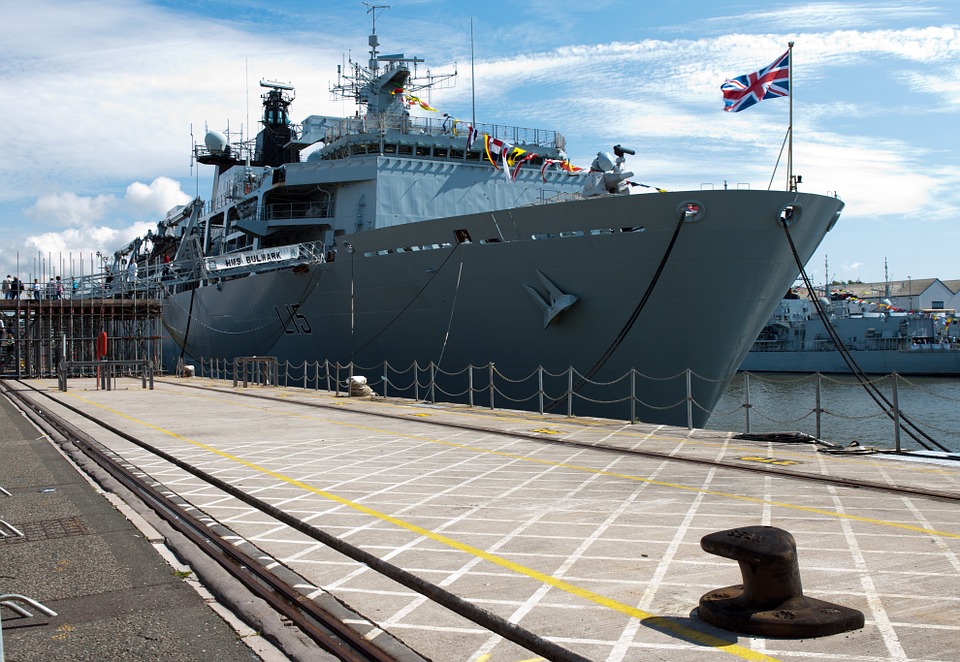
The dispute involving the South China Sea is among those that can potentially trigger an all-out war or world war 3. As tensions rise with increased military presence from both the US and China in the contested waters, the UK has now also joined in as the HMS Queen Elizabeth was deployed into the region.
The UK’s HMS Queen Elizabeth aircraft carrier was recently deployed into the South China Sea in an effort to increase its presence in the region despite being warned of the possibility of a clash occurring among warships in the contested waters. The warship would be escorted by two Type 45 destroyers, two Type 23 frigates, a nuclear submarine, a Tide-class tanker, and RFA Fort Victoria. Speaking with the Telegraph Sunday, a senior fellow at the Royal United Services for Defense and Security Studies, Charles Parton OBE, said that the operation might pose a risk for the aircraft carrier. Parton added that this is because of a great number of warships already navigating the region, there will be a lot of tension which would increase the chances of an accident.
According to the senior fellow for Chinese Defense Policy and Military Modernization at The International Institute for Strategic Studies Meia Nouwens, China’s development of unmanned underwater vehicles and submersibles are other factors to consider when it comes to risk of a clash among warships. “We know China is developing these capabilities. Where this goes… will be an added challenge in terms of how we deal with grey zone tactics,” said Nouwens to the UK’s Commons Defense Select Committee.
Aside from the South China Sea, China has also claimed sovereignty over the East China Sea, especially over a group of islands that are controlled by Japan called the Senkaku Islands. This has been met by strong opposition by Japan and its allies, including the US, and last week, Chinese ships were spotted entering Japan’s waters. The Communist nation deployed two vessels near the disputed islands as part of Beijing’s “Coast Guard Law,” which gives its coast guard the power to use weapons as well as Chinese ships to take action should any foreign vessel enter waters in China’s territory.







