


 Trump Administration Plans Faster FDA Reviews for Smoke-Free Nicotine Products
  US Officials Split Over Response to Israeli West Bank Settlements
  Zelenskiy Warns Russia Preparing Major Attack on Ukraine
  Lula and Flavio Bolsonaro Tied in Brazil Runoff Poll
  South Korea, US Discuss Warship Building Cooperation
  US Invites Putin to Miami G20, Opening Door to Trump Summit
  Scott Bessent Eyed as Trump’s New AI Czar
  Kremlin Says No Grounds Yet for Ukraine Peace Talks
  Canada Unveils Bill to Fast-Track Major Resource Projects
  Venezuela Promises Elections as Delcy Rodriguez Pledges Democratic Transition
  Russian Envoy Dmitriev Heads to US for Ukraine Talks
  Burnham Eyes UK Leadership Role in AI Ahead of Trump Meeting
  US, China Extend Trade Truce to Jan. 10 Ahead of Trump-Xi Summit
  Iran Vows ‘Crushing’ Response as US Talks Continue
  Macron, Trump Discuss Ukraine-Russia Energy Strike Moratorium
  Marco Rubio to Meet Russia’s Lavrov in New York
  Trump to Press Xi on Release of US Nuclear Expert Held in China


 Add as a preferred source on Google
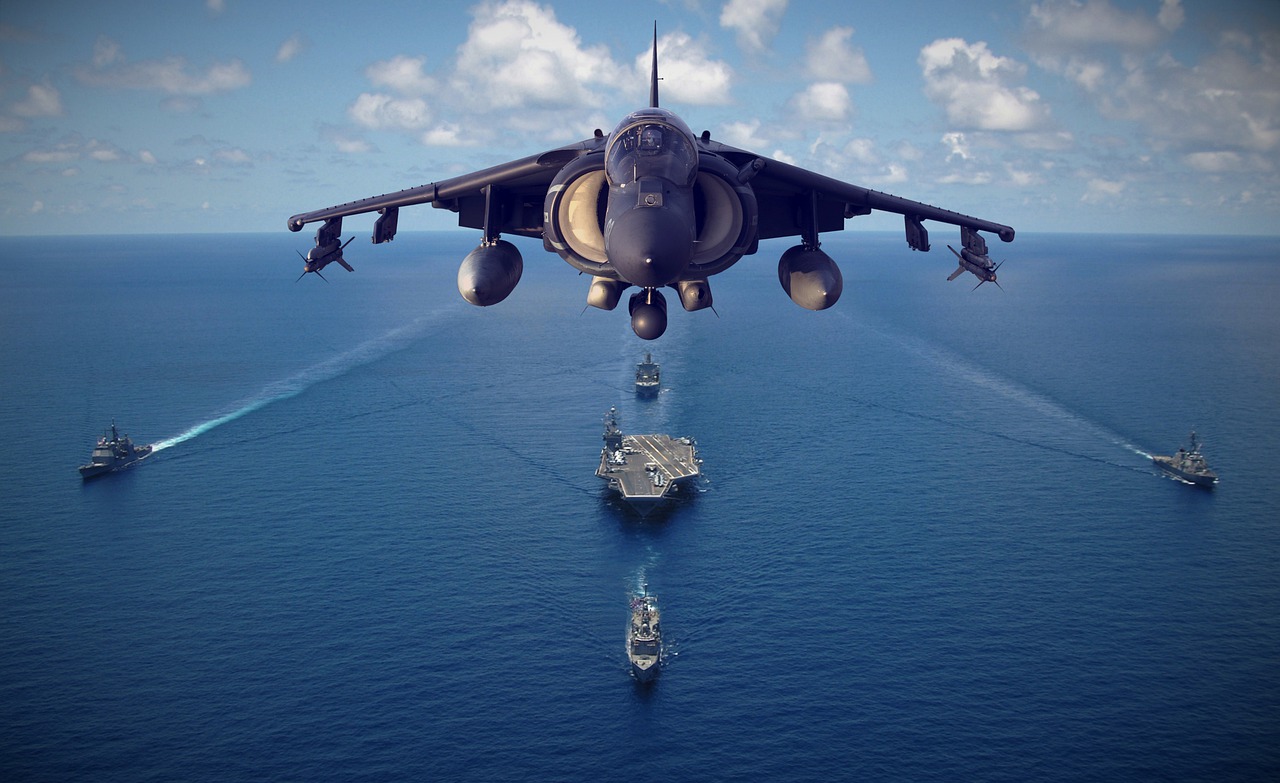
Tensions are rising between nations over the South China Sea as China takes increasingly bolder actions to assert control over the region. Satellite images have revealed that a Chinese ship was seen following the UK carrier groups in the disputed waters.
Satellite photos have shown Beijing increasingly trying to assert its control over the South China Sea, as a Chinese ship was seen following the UK’s HMS Queen Elizabeth and a UK carrier strike group into the waters. This recent move comes months after China threatened to expel any ships that sail too close on the islands it claims to have control over. The HMS Queen Elizabeth has been expected to sail through the South China Sea in a round-the-world tour as part of its maiden voyage.
The UK Carrier Strike Group 21, on the other hand, entered the region through the Bashi channel Monday. Both the carrier group and the HMS Queen Elizabeth took part in joint navy exercises with several countries.
Chinese state-owned media outlet Global Times has previously said that they will carry out their own naval exercises at the same time as the UK and other countries. The warning to the UK also follows an incident where China expelled a US ship, claiming that it illegally entered the waters it controls in the region. The US at the time responded that they were exercising their freedom of navigation rights around the Paracel Islands and that the Chinese military’s claims were false.
China’s claims of sovereignty over almost the entire South China Sea have since angered the surrounding countries, and an international ruling rejected the sweeping claims, citing that there is no basis under international law. China’s sweeping claims also overlap with those of the surrounding countries including Taiwan.
The US and a few other western countries have shown support towards other countries, especially Taiwan, the island nation that China also claims to have sovereignty over. Australia is one of the nations that has shown support towards Taiwan, and China has since threatened Australia with conflict. However, it appears that China now needs the help of Australia as Beijing has been suffering from power shortages, resulting in asking other countries to import coal.
This comes as Chinese President Xi Jinping made a new energy restriction in an effort to reduce carbon emissions. Paired with the weather and skyrocketing demand for Chinese goods, the country faces an energy crisis.







