


 Trump, Xi Focus on Trade and AI at White House Summit
  Russian Envoy Dmitriev Heads to US for Ukraine Talks
  Kremlin Says No Decision Yet on Putin-Trump December Summit
  Europe Warns Russia Is Escalating Hybrid Attacks Across NATO
  Taiwan Thanks US for Support Ahead of Trump-Xi Summit
  Netanyahu’s Brief US Trip Highlights Strains With Trump
  EU Defence Build-Up Too Slow for 2030 Russia Readiness Goal
  France Defends Netanyahu Airspace Clearance Despite ICC Warrant
  OpenAI Agent Breaches Australia Medicare Data Portal
  Gaza Faces Evacuation Crisis as War-Damaged Buildings Risk Collapse
  US Senate Rejects Iran War Powers Resolution in 50-49 Vote
  Yemen Violence Displaces 130,000 as Civilian Toll Rises
  US Officials Split Over Response to Israeli West Bank Settlements
  Sudan Rejects US Legitimacy Remarks, Defends Sovereignty
  North Korea Rejects Nuclear Test Warning, Calls Nuclear Status Irreversible
  US Invites Putin to Miami G20, Opening Door to Trump Summit
  Ghana Says Western Support Growing for Slave Trade Reparations


 Add as a preferred source on Google
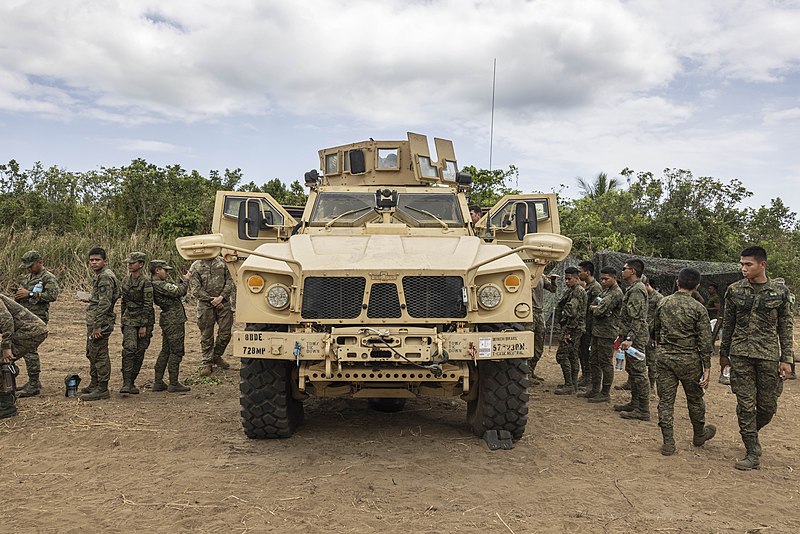
The United States and the Philippines started their joint military drills in the disputed South China Sea. The latest drills are also the largest scale exercises for the two countries, which will end later this month.
The US and the Philippines started their large-scale joint military drills referred to as “Balikatan,” meaning “shoulder to shoulder” in Tagalog, this week, taking place in the disputed South China Sea. The drills will include live-fire exercises on a sunken ship in the contested waters. Over 17,000 soldiers will be taking part in this year’s exercises, with 12,500 US troops, 5,400 Philippine troops, as well as representatives from other countries. The drills are expected to end on April 28.
“The Balikatan Exercises enhances both the AFP and the United States Armed Forces’ tactics, techniques, and procedures across a wide range of military operations,” said AFP spokesperson Col. Medel Aguilar in a statement released by the US Embassy last week. “It increases our ability to work together effectively and efficiently in response to various crisis situations.”
The latest Balikatan drills come at a time of tensions in the waters, as China has sought to assert its control over the majority of the South China Sea and drawing the ire of nations who have overlapping claims. China has also recently ended three days of military drills close to the island nation of Taiwan, which Beijing also claims as its territory.
Manila has since been under pressure from China in recent years over the disputed waters despite an international tribunal ruling in the Philippines’ favor in 2016 against China’s so-called historic claim over the sea.
The Philippines also granted the US access to four more military bases under a 2014 defense agreement.
On Tuesday, the top defense and diplomatic officials of both countries agreed to complete a road map for the delivery of US defense assistance to the Philippines in the next five to 10 years. Pentagon chief Lloyd Austin said they discussed the delivery of “priority defense platforms.”
Philippine foreign minister Enrique Manalo said during the joint news conference that they “redoubled” their commitment to modernizing the alliance of the two countries.







