


 Dollar Holds Near Two-Month High as Yen Approaches 160
  Fed’s Hammack Says Bond Yield Surge Is Not Driven by Inflation Fears
  Oil Prices Jump 3% as Houthi Attack Revives Supply Fears
  Germany’s 2026 Growth Outlook Strengthens on Fiscal Spending
  Asian Stocks Fall as Bond Yields Surge Ahead of Trump-Xi Summit
  U.S. Dollar Hits Two-Month High as Oil, Treasury Yields Surge
  Japanese Bank Stocks Surge as Bond Yields Fuel Rate Hike Bets
  Soybean Futures Slip as Traders Await Trump-Xi Trade Signals
  Mexico-US Trade Talks Delayed to October as Tariff Negotiations Continue
  Canadian Dollar Faces Pressure as Fed-BoC Policy Gap Widens
  Asian Stocks Fall as Surging Bond Yields Rattle Markets
  Japanese Yen Rebounds as Trump Flags Currency Weakness
  European Stocks Fall as Bond Yields and Geopolitical Risks Weigh
  Gold Holds Near $4,275 as Rising Treasury Yields Fuel Fed Rate Hike Bets
  China Agrees to Buy 20 Million Tons of U.S. Coal
  China Consumer Stocks Near Decade Lows as AI Shares Surge
  ECB May Stop Rate Hikes After December, Capital Economics Says


 Add as a preferred source on Google
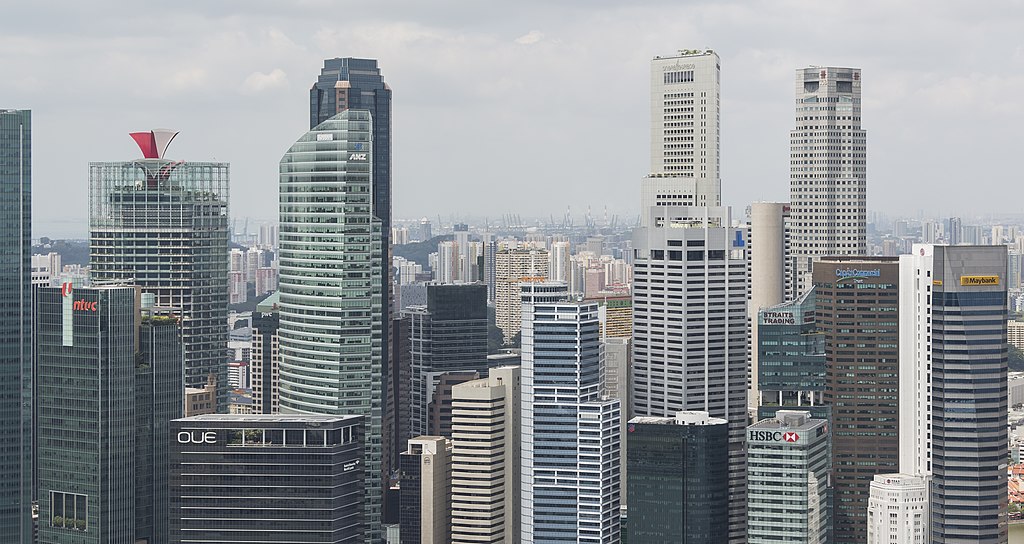
Singapore's core inflation rose 1.8% in December, exceeding economists' forecast of 1.7%, but marking the lowest level since November 2021, when it was 1.6%. Headline inflation reached 1.6%, slightly above the expected 1.5%. Both rates show a significant decline from the 5.5% peak seen in early 2023.
The core inflation rate, which excludes private road transport and accommodation costs, fell from November’s 1.9%. These figures highlight easing price pressures in the city-state, providing potential room for the Monetary Authority of Singapore (MAS) to adjust its monetary policy during the upcoming review.
Analysts remain divided on whether MAS will act now or wait to evaluate the impact of international factors. The central bank last tightened monetary policy in October 2022, marking its fifth consecutive adjustment, and has maintained a cautious stance amid growth concerns.
Singapore’s economy outperformed expectations in 2024, growing 4% according to advance estimates, compared to 1.1% in 2023 and 3.8% in 2022. The trade ministry projects growth of 1.0% to 3.0% for 2025. The MAS previously eased policy in March 2020 during the global COVID-19 crisis.
Lower inflation and robust economic growth may provide flexibility for policymakers to focus on sustaining recovery. As global economic conditions evolve, Singapore's approach to managing inflation and growth will remain critical in 2025.
These developments position Singapore favorably for continued stability, attracting investor interest while balancing domestic and international economic challenges.
Keywords: Singapore inflation, core inflation December, Monetary Authority of Singapore, MAS monetary policy, Singapore economy growth 2024, inflation rates 2025, economic growth Singapore.







