


 Meta CEO Zuckerberg Backs Independent AI Safety Reviews Over Development Slowdown
  Trump Plans Federal AI Force and AI Czar
  NASA, Boeing Discuss Expanding Starliner Missions
  Volkswagen Shares Slide After 2026 Profit Outlook Cut
  Nvidia CEO Jensen Huang Expected at Trump-Xi State Dinner
  Trip.com Shares Rise as Q2 Earnings Beat Estimates
  White House Bars CNN, MS NOW and Politico Reporters
  Holtec Nuclear Postpones $900 Million U.S. IPO
  Rosenblatt Starts Nokia at Buy on AI Networking Growth
  FCC Approves Foreign Investment in $110B Paramount-Warner Bros. Deal
  American Airlines Eyes Capacity Cuts as High Fuel Prices Persist
  SpaceX Nasdaq 100 Weight to More Than Double in Rebalance
  US Federal Register Drops Alibaba Qwen AI Search Tool
  France Urges Faster AI Push Despite Safety Risks
  Hyundai CEO Warns Chinese Automakers Could Disrupt US Market
  Supertanker Orders Surge as US-Iran War Reshapes Oil Trade
  Japan, U.S. Discuss $19 Billion GlobalFoundries Chip Plant


 Add as a preferred source on Google
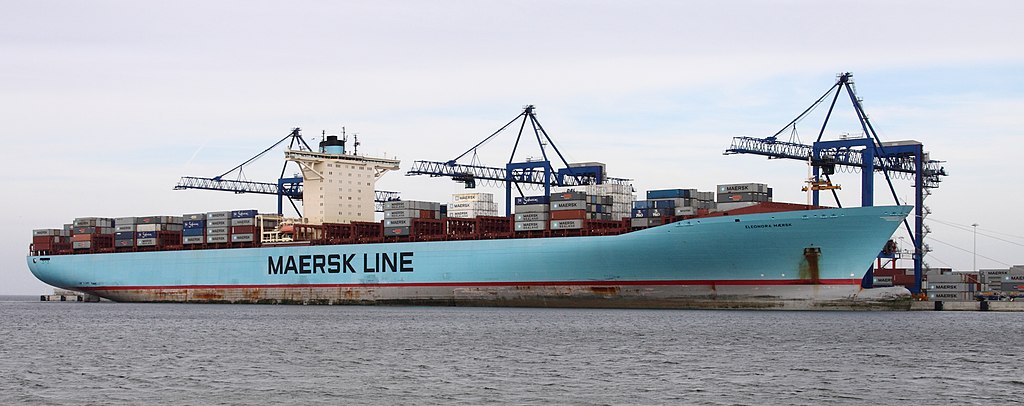
The global shipping industry is preparing for a major transition to low-carbon fuels after 2030 as stricter emissions regulations take effect, according to executives at the APPEC conference in Singapore. While progress in this decade remains gradual due to trade volatility and geopolitical uncertainty, industry leaders see the next decade as the real turning point.
Emma Mazhari, CEO of Maersk Oil Trading, said between 2030 and 2040 “we’re going to see the real volume shift to low-carbon fuels.” She highlighted the impact of new regulations such as the European emissions trading scheme and tighter maritime fuel standards, noting increased availability of low-carbon fuel in Europe. To prepare, Maersk has stopped investing in single-fuel ships, instead focusing on dual-fuel vessels to safeguard long-term returns.
Takeshi Hashimoto, CEO of Mitsui O.S.K. Lines (MOL), said shipping companies will initially focus on proven solutions like liquefied natural gas (LNG) and methanol over the next decade, while also exploring wind-assisted propulsion. He described current decarbonisation efforts as “stop and go,” but stressed the future importance of green ammonia, green methanol, and biomethane in cutting carbon emissions.
The International Maritime Organization’s (IMO) carbon reduction targets continue to push the sector toward cleaner energy. Executives agreed that despite political and economic uncertainties, decarbonisation must remain a priority. Amitabh Panda, managing director at Tata NYK Shipping, emphasized, “Decarbonisation as a necessity and a strategy for shipowners will be there despite whatever we are hearing from the White House.” However, he noted that shifting geopolitics complicate investment decisions and capital allocation.
As shipping faces mounting regulatory pressure, the shift toward sustainable marine fuels is no longer a question of “if” but “when,” with the industry bracing for an accelerated transition after 2030.







